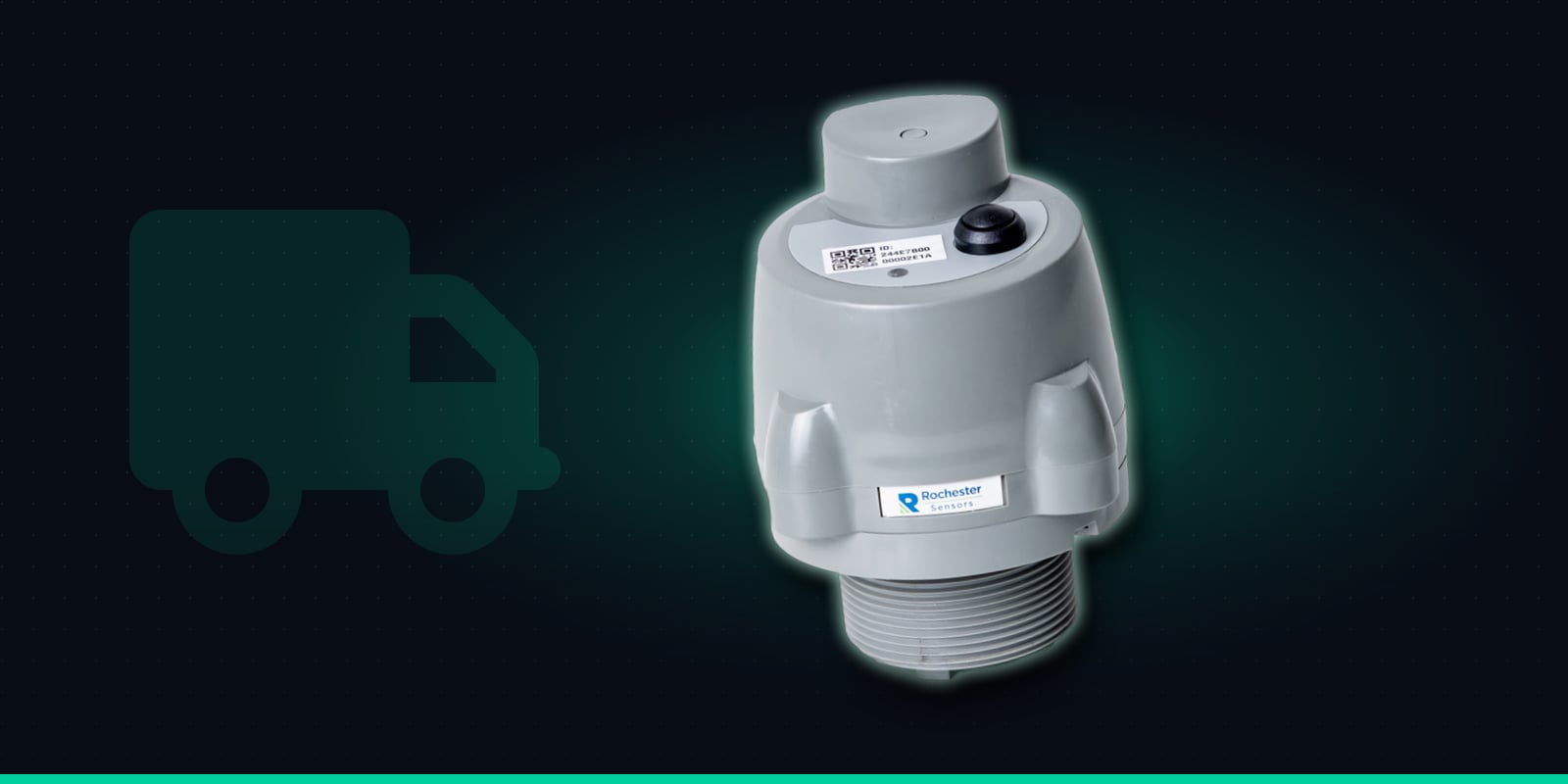
Heating Oil Tank Monitoring: Never Run Out with the TEK 766
16th October 2026•By Neil Skoglund
TEK 766 Use Case
Most people only find out their heating oil tank is empty when the heating stops. Then it's a scramble: ringing round for the next available delivery, often paying more for an urgent or small top-up order, and waiting days if suppliers are busy in a cold spell. The dipstick or sight gauge on the tank would have told you - if someone had gone out and looked.
This guide is for households, landlords and letting agents, holiday-let owners, rural businesses, village halls and churches that heat with kerosene. It shows how a Tekelek TEK 766 on top of the tank, reporting into Trackpac, tells you how many litres are left, alerts you in time to order a normal delivery, and builds up a history of how much oil you use - for one tank or every property you look after.
How the TEK 766 Measures Your Oil
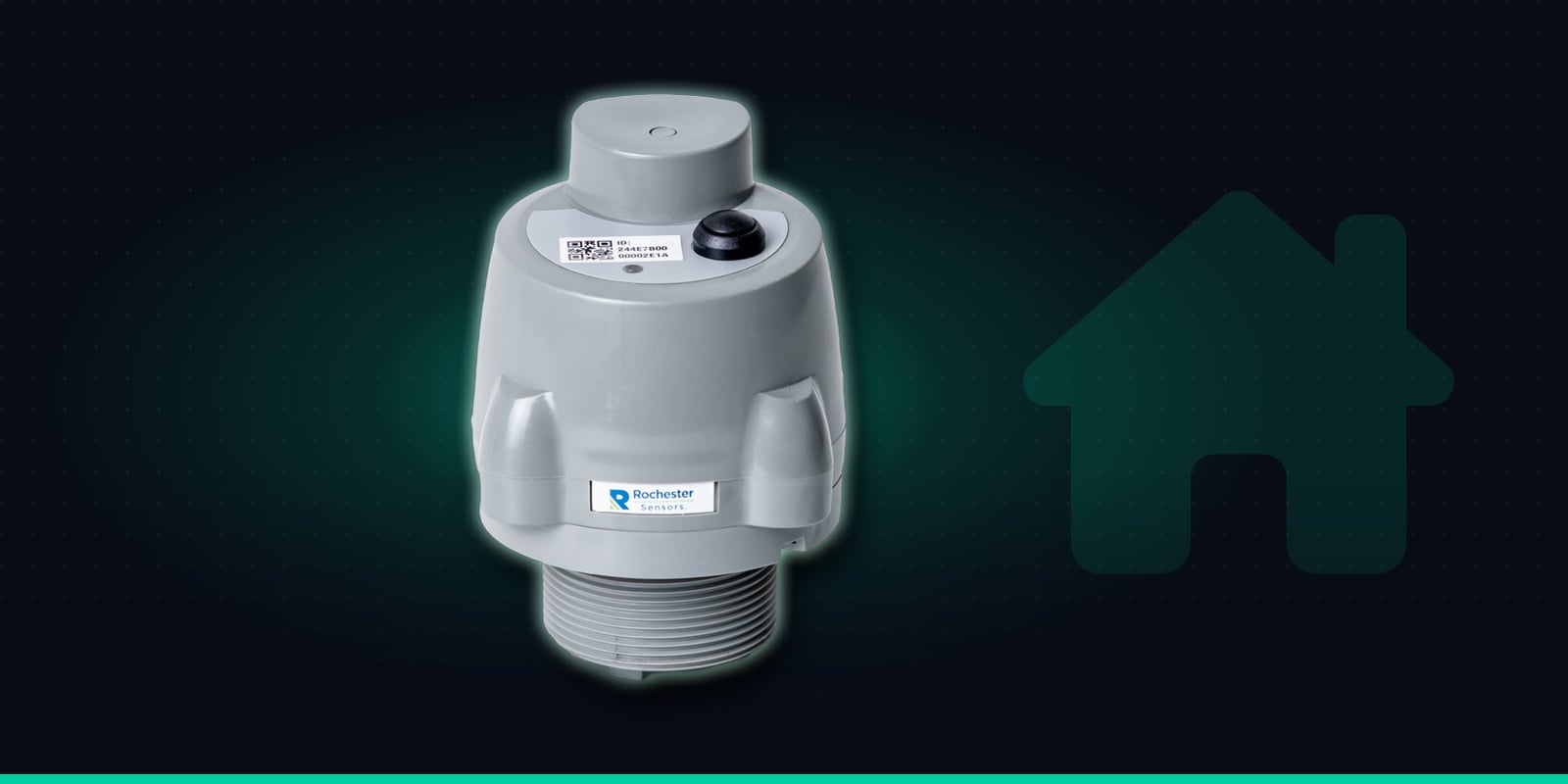
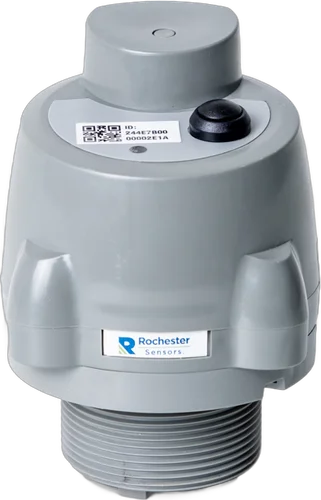
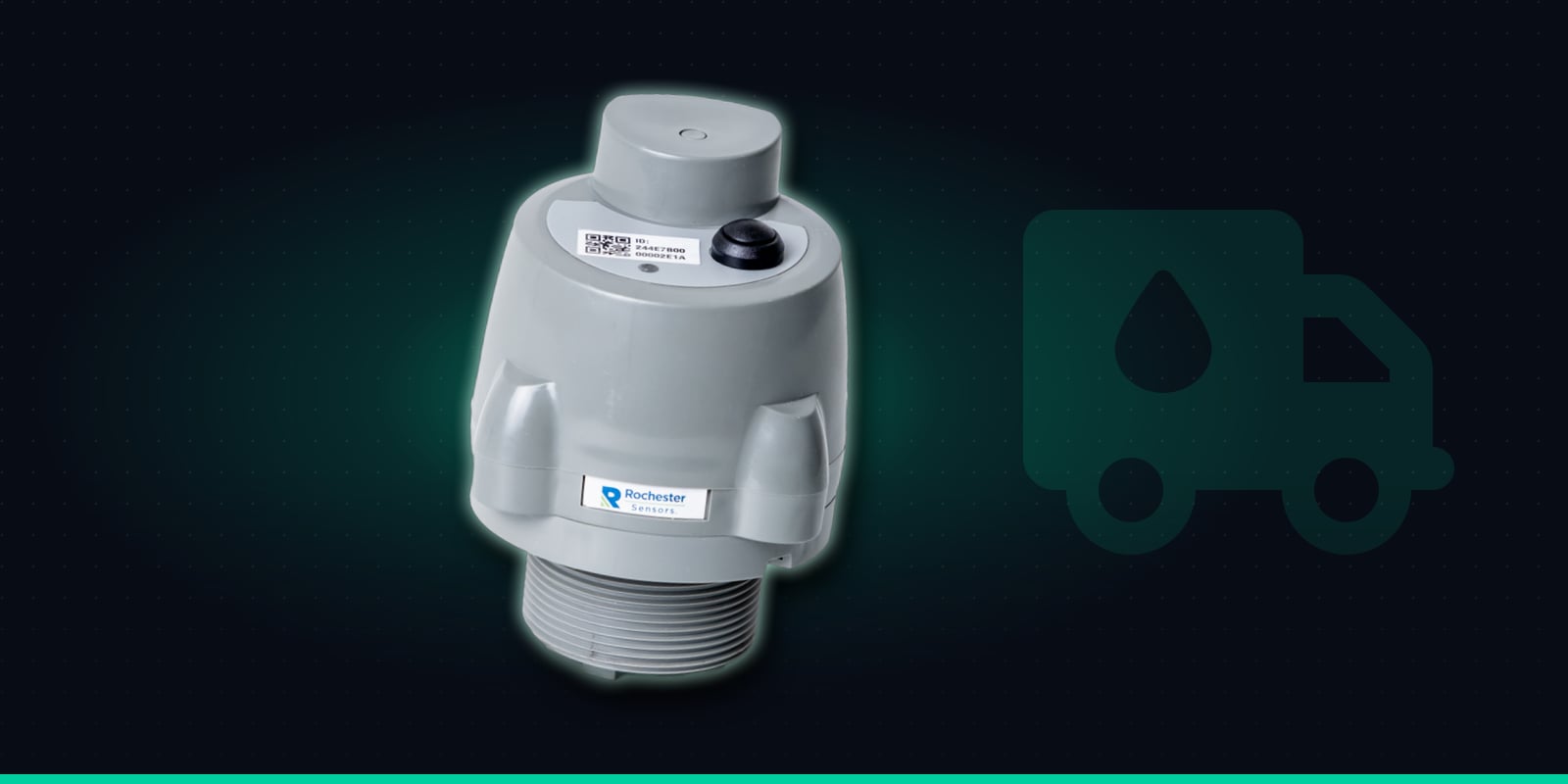
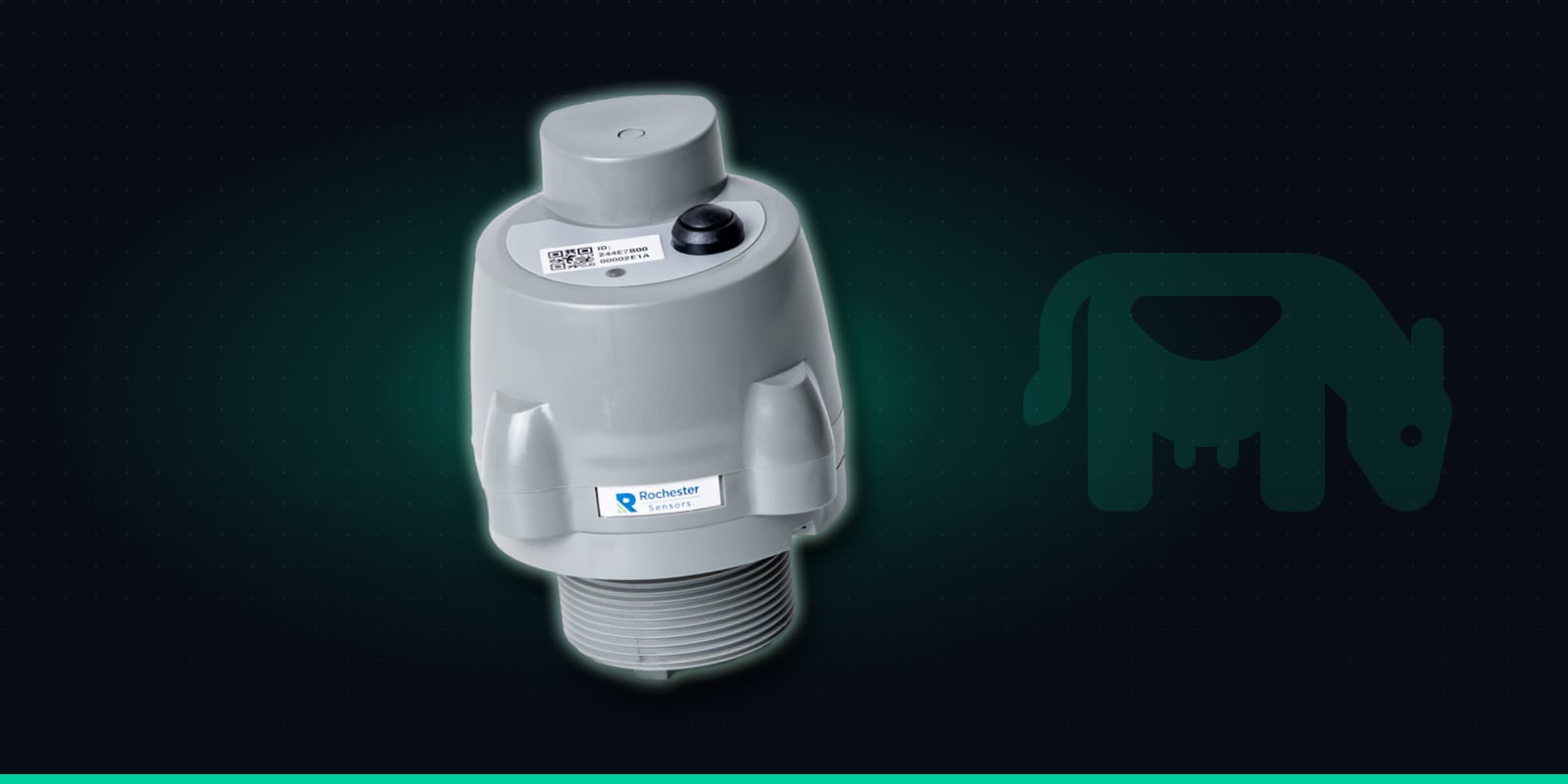
The TEK 766 is a battery-powered ultrasonic sensor with LoRaWAN built in. It screws into an opening on top of the tank and measures the distance down to the surface of the oil, so it never touches the contents. Kerosene and gas oil are both on the manufacturer's list of compatible liquids. Trackpac turns that distance into a fill level percentage and litres remaining, using the tank dimensions you enter.
Ultrasonic level
Measures 12cm to 4m down to the liquid surface. Typically ±2cm accurate, 1cm resolution.
Non-contact
Sits on top of the tank and never touches the contents. Fits 1¼", 1½" or 2" BSP openings.
Compatible liquids
Water, diesel, kerosene and gas oil. Check other liquids with the manufacturer first.
Built for outdoors
IP67, UV-stabilised housing. Operates from -20 to 50°C.
Up to 14-year battery
Typical life with a reading every 15 minutes and a report every 6 hours.
LoRaWAN EU868
Long-range, configurable remotely - no Wi-Fi or SIM card per tank.
Specifications from the Tekelek TEK 766 datasheet. Battery life depends on how often the sensor reports.
Order at the Right Time, Not When You Remember
A dipstick or the float gauge on a plastic tank gives you a rough idea of the level, but only when you go and check, and turning "about a quarter" into litres is guesswork. With a sensor reporting, the Trackpac dashboard and mobile app show the fill level and the litres remaining, so you know roughly how much to order without a trip to the bottom of the garden.
The real benefit is timing. A low-level alert set with enough margin means you can order a standard delivery at your supplier's normal lead time, compare a couple of quotes, and avoid the premium and the wait that tend to come with an urgent order. It also helps you avoid ordering too early: if the tank still holds most of its capacity, the graph shows you can wait.
Landlords, Holiday Lets & Community Buildings
Checking one tank in your own garden is easy enough. Checking tanks at several rental properties, a holiday cottage two hours away, or a village hall nobody visits midweek is a different job - and it's where remote monitoring pays off most.
Every property on one dashboard
Each tank appears on the same Trackpac dashboard, named by property and tagged by area, owner or portfolio. You can see at a glance which tanks are getting low, without asking tenants to go and read a gauge.
Deliveries between guests
For holiday lets, knowing the level in advance means you can book a delivery for a changeover day rather than having a tanker turn up mid-stay - or a guest message you to say the heating has gone off.
Shareable dashboards for agents
A read-only dashboard link lets a letting agent, housekeeper or property manager see the levels for the tanks they look after, without being able to change sensors or alert rules.
Halls, churches & volunteers
Low-level alerts can go to more than one person by email or SMS, so the treasurer and the caretaker both know when it's time to order - and nobody has to remember to check the tank before a busy week of bookings.
Spotting Unusual Drops: Theft or a Leak
Heating oil use usually follows a pattern: steady in winter, much slower in summer, close to nothing in an empty property. A change that doesn't fit that pattern stands out in the Trackpac history graph - a step down overnight could mean oil has been taken, while a slow, steady decline in a property with the heating off could point to a leak from the tank or pipework. Either way, it's a prompt to go and look, and leaks are both costly and polluting, so the sooner they are found the better.
Be realistic about timing. By default the TEK 766 measures every 15 minutes but sends a report every 6 hours - that's what the typical 14-year battery life is based on - so a sudden drop appears at the next report, not the moment it happens. If faster detection matters, for example at an isolated property with a history of theft, the reporting interval can be shortened remotely, accepting a shorter battery life. Trackpac shows you the change; deciding what caused it is down to you.
Track Consumption Across the Winter
Over a heating season the readings build into a clear record of how many litres you use each week and month. That makes budgeting easier: you can see how long a full tank lasts in a cold spell, plan when the next delivery is likely to be needed, and compare one winter with the last after insulation work, a new heating schedule or a change of tenants. Reports and exports give you the figures for your own spreadsheets, for a landlord's accounts, or for a committee meeting. Each delivery shows up as a jump in the graph, which is also a useful check against the litres on the delivery note.
Installing the TEK 766 on a Heating Oil Tank
Installation needs no wiring or mains power. Plastic bunded tanks are common for heating oil, and on these the sensor fits in an opening on the top of the tank, just as it does on a single-skin tank.
1
Order "Trackpac Ready", scan and name it
Buy the TEK 766 from Hexaspot with the Trackpac Ready option, scan its QR code in the Trackpac app and give it a name like "Cottage 2 - oil tank", which reads far better in an alert than a serial number. Tag it by property or portfolio.
2
Fit it in the gauge or a spare opening
The sensor fits female 1¼", 1½" or 2" BSP threads, with 2" recommended, and comes with a gasket. On many tanks that means replacing the existing gauge, or using a spare 2" opening in the top. Keep it clear of the fill pipe, and of any internal pipes or walls: the ultrasonic beam spreads up to 30°, and needs a clear view of a reasonably flat oil surface. If you replace the gauge, the Trackpac app becomes your gauge.
3
Enter the tank dimensions in Trackpac
The TEK 766 measures from the top down, so Trackpac needs the tank's dimensions and capacity to convert distance into a fill level and litres - take them from the tank's label or documentation where you can. Many plastic tanks aren't a simple shape, so treat the litre figure as a close estimate and sense-check it after your first delivery. The sensor can't measure within 12cm of itself, so don't treat anything closer than that as "full".
Alert Rules That Keep the Oil Flowing
Trackpac can alert on fill level, litres, distance, temperature and battery level, by email, SMS or push notification. Rules can target tags, so every tank tagged "Holiday lets" shares the same rules, and a new tank added to the tag picks them up automatically. A few simple rules cover most needs:
Below 25%: time to order
A below-threshold rule on fill level gives you time to order a normal delivery. Set it higher for remote properties or in the depths of winter, when deliveries can take longer.
Back above the threshold: delivery arrived
When the level climbs back above the line, the "resolved" message confirms the delivery has gone in - useful when you're not at the property to see the tanker.
Unexpected drop: check the tank
For a property standing empty, or over the summer, set a below-threshold rule a little under the current level. If the level falls past it between reports, you'll know to go and check the tank and pipework.
Low battery: plan a replacement
With a battery rated for years, a low-battery rule makes sure the sensor doesn't quietly stop reporting halfway through a winter.
A trigger-lock interval means a low tank sends one alert rather than one every report, and time windows let routine alerts arrive during working hours - handy for a letting agent who doesn't want order reminders at midnight - while the unexpected-drop rule can stay on around the clock.
Coverage, Costs & Connecting Other Systems
The TEK 766 sends its readings over LoRaWAN, so there's no Wi-Fi or SIM card per tank and it doesn't rely on the property's broadband. The vendor quotes up to 15km in ideal conditions; real range depends on terrain and buildings, and is reduced if the sensor is underground or inside a metal enclosure, so confirm the first reading has arrived on the dashboard before you leave the tank. Property managers can also forward readings and alerts by webhook to a maintenance, booking or ordering system. Trackpac doesn't place orders itself - it gives you, or your systems, what you need to.
One TEK 766 per tank, fitted in the gauge or a spare opening - reporting the litres left to a Trackpac dashboard, with a low-level alert to your phone in time to order a normal delivery.
€164.46 ex VAT from Hexaspot, our sister company in the Connect IoT group. VAT is added at checkout based on your country.
Choose the Trackpac Ready option and the sensor arrives pre-registered on Trackpac - scan the QR code and it's live on your dashboard.
Trackpac covers connectivity, dashboard, alerts and data storage from £15 / €18 per sensor per year.
Will the TEK 766 fit my plastic heating oil tank?↓
In most cases, yes. The TEK 766 screws into a female 1¼", 1½" or 2" BSP opening on top of the tank, with 2" recommended, and a gasket is included. On many domestic tanks, including plastic bunded tanks, that means the opening used by the existing gauge or a spare opening in the top. Check which openings your tank has and their thread size before you order, and choose one clear of the fill pipe.
How quickly will Trackpac show oil theft or a leak?↓
Not instantly. With the default settings the TEK 766 takes a measurement every 15 minutes and sends a report every 6 hours, which is what its typical 14-year battery life is based on. A sudden drop shows up at the next report, either as an alert or as a step in the history graph. The reporting interval can be shortened remotely if faster detection matters to you, at the cost of a shorter battery life.
Can I monitor tanks at several rental properties and share them with my letting agent?↓
Yes. Every TEK 766 on your account appears on one Trackpac dashboard, and you can tag tanks by property, area or owner. Alert rules can target a tag, so a new tank added to that tag picks up the same rules. A read-only dashboard link lets a letting agent, housekeeper or property manager see tank levels without being able to change anything.
Does Trackpac order heating oil automatically?↓
No. Trackpac tells you when the level is low by email, SMS or push notification, and shows how many litres are left so you know how much to order. You then order from your usual supplier. If you or your property manager use another system for ordering or maintenance jobs, Trackpac webhooks can forward the readings and alerts to it.
Where can I buy the TEK 766 for use with Trackpac?↓
The Tekelek TEK 766 is sold by Hexaspot, Trackpac's sister company in the Connect IoT group, for €164.46 ex VAT, with VAT added at checkout based on your country. Choose the 'Trackpac Ready' option and the sensor is pre-registered on Trackpac, so you only need to scan its QR code. A Trackpac subscription from £15 / €18 per sensor per year covers connectivity, the dashboard, alerts and data storage.