Farm Water Tank Monitoring: Check Remote Livestock Water Without the Drive with the TEK 766
16th October 2026•By Neil Skoglund
TEK 766 Use Case
A header tank on the far side of the farm or up on the hill ground does its job quietly until it doesn't. A burst pipe, a float valve that sticks or a pump that trips can leave it empty, and the first you hear of it may be stock bawling at a dry trough. So the water round becomes a daily drive - fuel, time and a vehicle tied up just to look at levels that are usually fine.
This guide is for livestock farmers, graziers, estates and smallholders with header or storage tanks feeding troughs on outlying fields, and for anyone storing water for irrigation or washing down. It shows how a Tekelek TEK 766 ultrasonic sensor on top of the tank, reporting into Trackpac, lets you check every tank from your phone and get an alert when one runs low - so you know before your stock go without, and only drive out when there's a reason to. For a wider look at sensors around the farm, see our smart agriculture sensors guide.
How the TEK 766 Reads a Water Tank
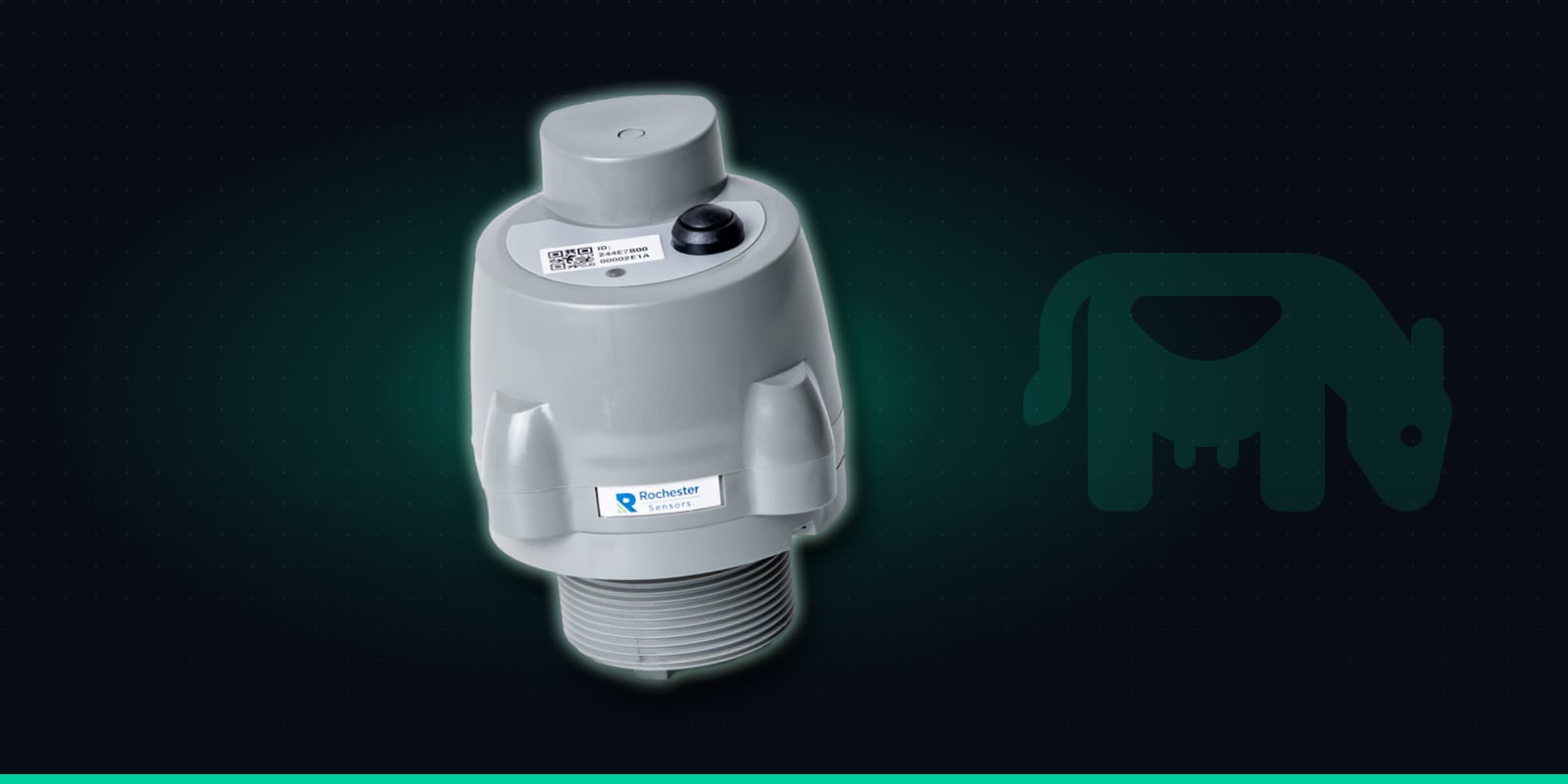
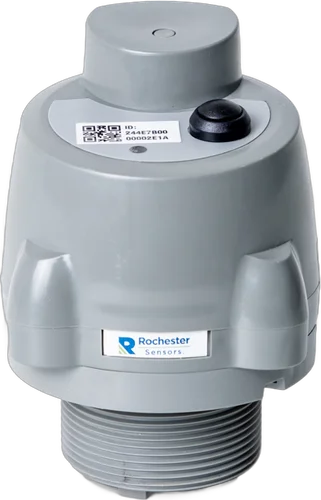
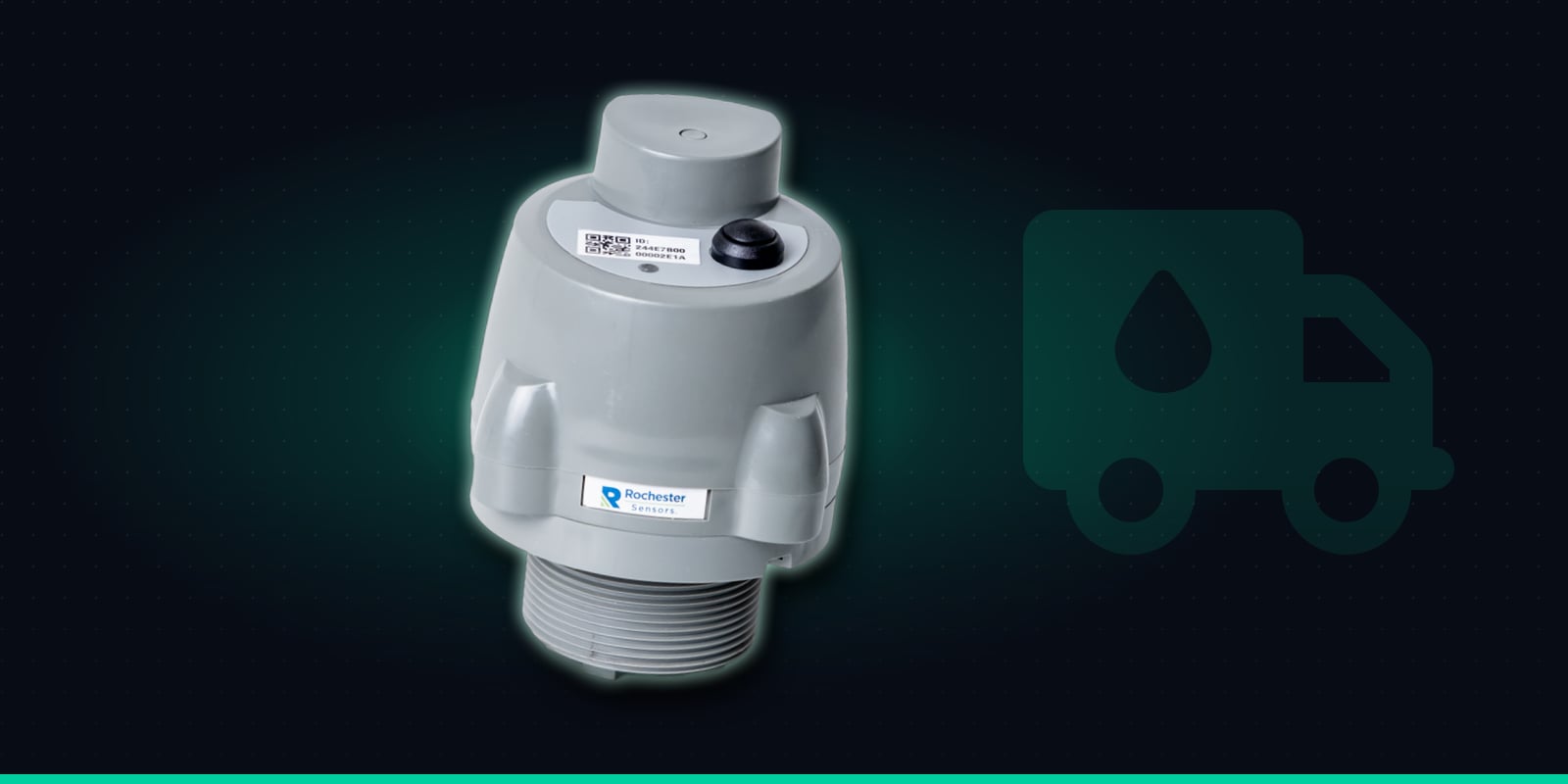
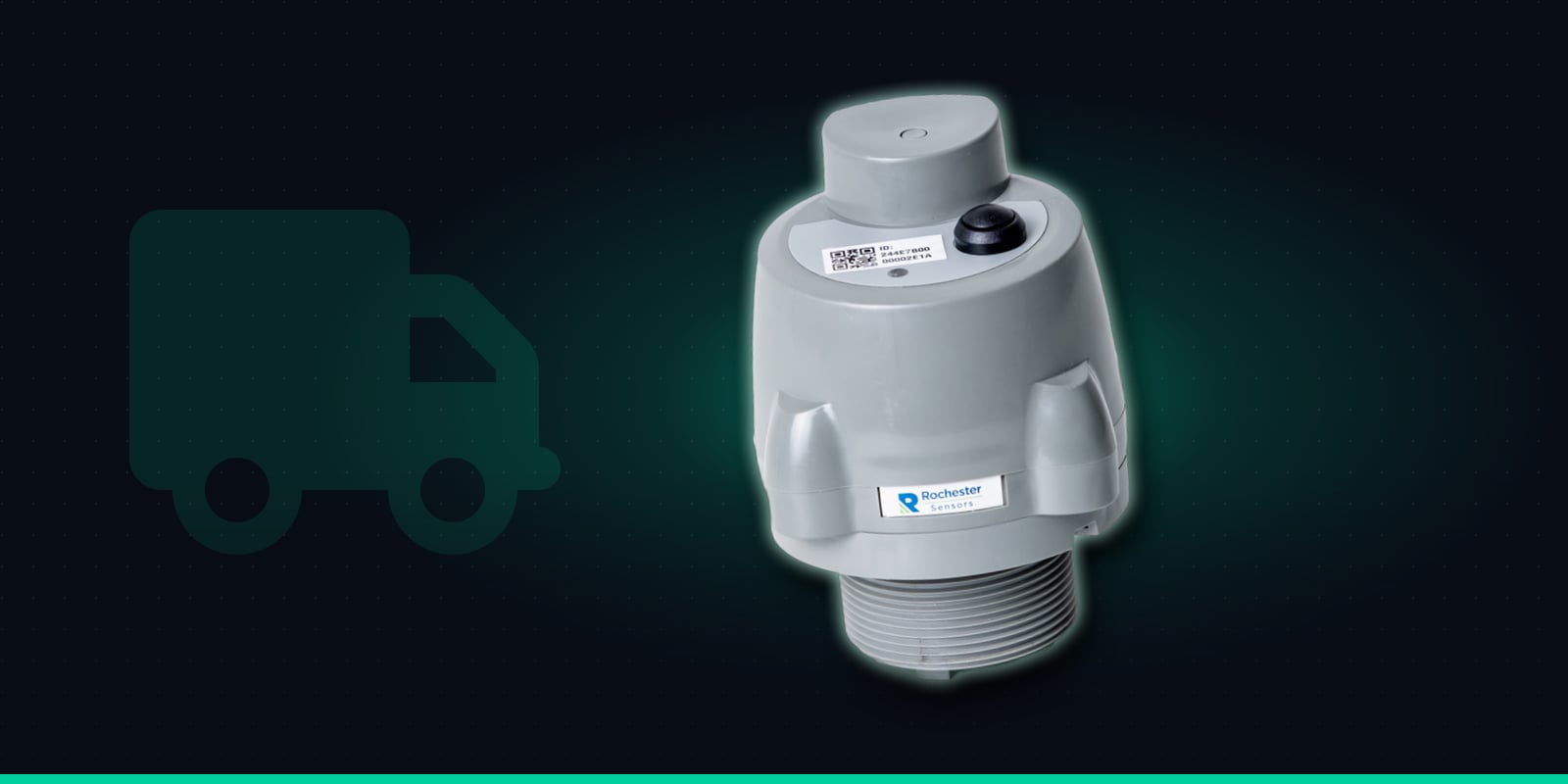
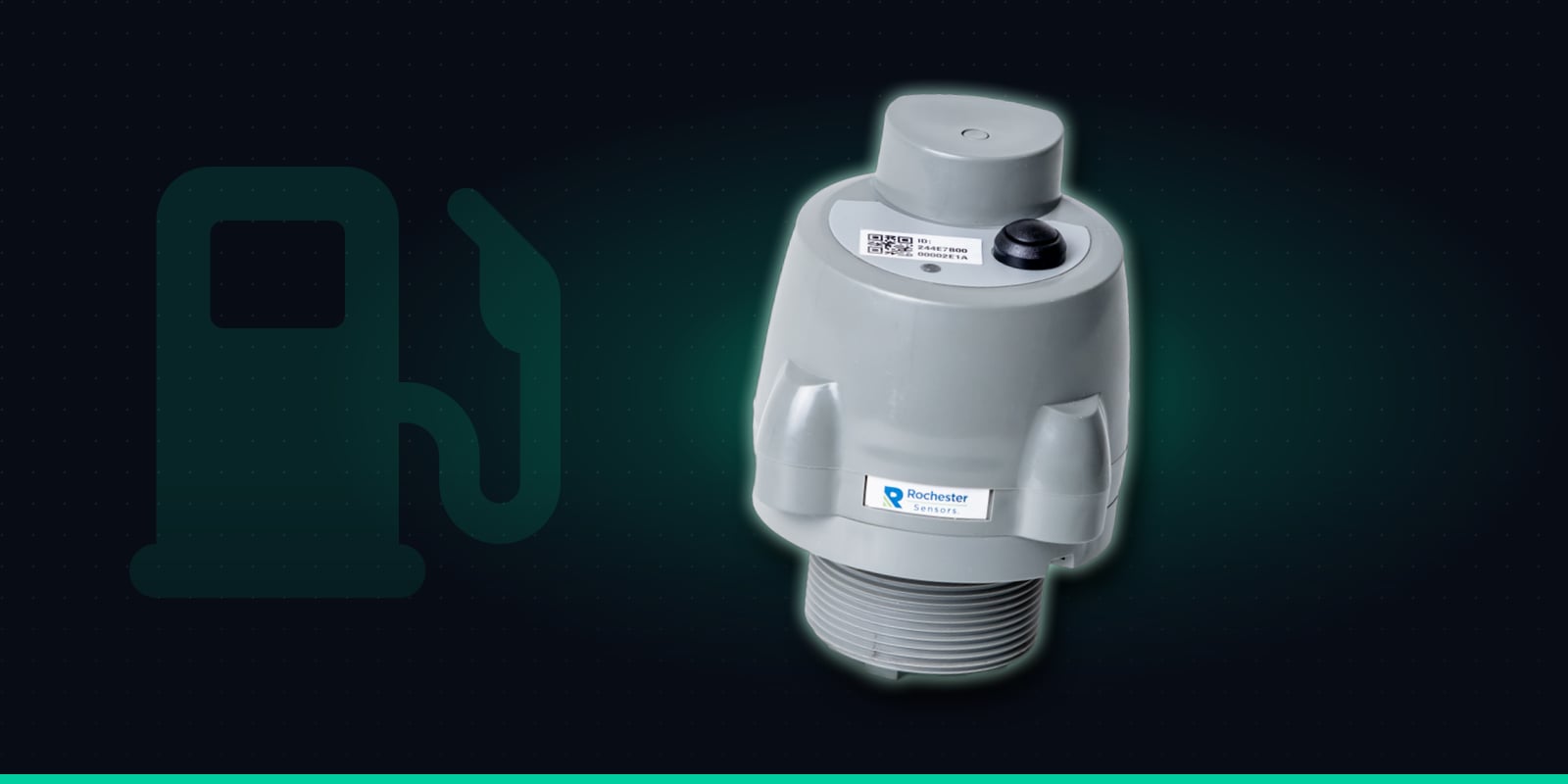
The TEK 766 screws into an opening on top of the tank and measures the distance down to the water surface with ultrasound - nothing goes into the water. It is battery powered with LoRaWAN built in, so there is no mains supply, Wi-Fi or SIM card needed at the tank.
Ultrasonic level
Measures 12cm to 4m down to the liquid surface. Typically ±2cm accurate, 1cm resolution.
Non-contact
Sits on top of the tank and never touches the contents. Fits 1¼", 1½" or 2" BSP openings.
Compatible liquids
Water, diesel, kerosene and gas oil. Check other liquids with the manufacturer first.
Built for outdoors
IP67, UV-stabilised housing. Operates from -20 to 50°C.
Up to 14-year battery
Typical life with a reading every 15 minutes and a report every 6 hours.
LoRaWAN EU868
Long-range, configurable remotely - no Wi-Fi or SIM card per tank.
Specifications from the Tekelek TEK 766 datasheet. Battery life depends on how often the sensor reports.
Enter the tank's dimensions or capacity in Trackpac and it turns the distance reading into a fill level in percent and a volume in litres or m³. That means an alert can say "North field tank at 20%" rather than a raw measurement, and anyone on the farm can read the dashboard without knowing how deep the tank is.
Know Before Stock Go Without
Most of the time a field tank refills as fast as the troughs draw from it. The problems come when something on the supply side fails - and because the tank is out of sight, it can take a while to notice. A low-level alert turns that into a job you can get to before the troughs are dry, which matters for animal welfare and saves the cost of water running away unnoticed.
Burst or leaking pipe
A split pipe between the tank and the troughs, or on the supply into the tank, can drain it much faster than stock would. Water lost to a leak costs money and can turn the ground around a trough into a mud bath.
Stuck float valve
Stuck shut, the tank stops refilling and slowly empties. Stuck open, it overflows and wastes water. A low-level alert catches the first, and a high-level alert can catch the second.
Failed pump or supply
A pump that trips out, a borehole or spring supply that drops off, or a mains supply that goes off all leave the tank to drain with nothing coming back in.
Hot-weather demand
Stock drink considerably more in hot weather. A tank that keeps up comfortably in spring can fall behind in a summer heatwave, even when nothing is broken.
Spotting Leaks and Supply Problems in the History
Once a tank has been reporting for a few weeks, its history graph settles into a recognisable pattern: the level dips while stock are drinking and recovers as the supply catches up. Two changes to that pattern are worth acting on. A level that stops recovering - lower at every report, even overnight when demand is low - points to a supply problem such as a stuck float valve, a failed pump or a frozen pipe. A level that falls much faster than usual, with no change in stock numbers or weather, suggests a leak or a trough overflowing.
Be realistic about timing. The TEK 766 measures every 15 minutes but, at its default settings, reports every 6 hours - that is what gives the battery its typical life of up to 14 years. A sudden drop shows up at the next report, not the moment it starts. On tanks where that gap matters, such as a small header tank feeding a busy field in summer, set a shorter reporting interval remotely and accept that the battery won't last as long. Larger storage tanks with more in reserve can usually stay on the default.
Summer Demand and Daily Use per Field
Because Trackpac records the volume in litres, the history shows roughly how much water each tank delivers a day - and so how much each field is using. That is useful well beyond alerts. You can see which tanks get close to empty on hot afternoons and might need a bigger tank or a better supply, check whether a field can carry more stock before you move them in, and spot a tank whose use has crept up for no obvious reason. Reports and exports give you a record over a whole grazing season, and the temperature the sensor reports adds context: a level that hasn't refilled on a cold morning reads differently from one that has dropped on a hot afternoon. The same approach works for water stored for irrigation or washing down, where the history shows how quickly it is being used and when to top up.
Installing the Sensor on a Field Tank
The TEK 766 is IP67 rated with a UV-stabilised housing and operates from -20 to 50°C, so it can live on top of a tank in an open field all year. Setting up each tank comes down to three steps.
1
Order "Trackpac Ready", scan and tag
Buy the TEK 766 from Hexaspot with the Trackpac Ready option, scan its QR code in the Trackpac app and name it after the field - "Top field header tank" means far more in an alert than a serial number. Tag it by field or farm, and enter the tank's dimensions or capacity.
2
Fit it to a top opening with a clear view down
The sensor fits a female 1¼", 1½" or 2" BSP opening on top of a plastic or steel tank - 2" is recommended, and a gasket is included. Its ultrasonic beam spreads out by up to 30° on the way down, so choose an opening with a clear path to the water, away from the float valve, inlet pipe and tank walls. Anything in the beam can be measured instead of the water. A spot away from where the inlet splashes in also helps, as the sensor needs a reasonably flat surface.
3
Mind the 12cm dead zone, then confirm it's reporting
The TEK 766 measures from 12cm to 4m below itself, so it suits tanks up to about 4m deep. The top 12cm directly under the sensor is a dead zone: make sure the float valve shuts off the supply below that, and set any high-level alert below it too. Before you leave, check the first reading has arrived in Trackpac and looks right against what you can see in the tank.
Alert Rules for Livestock Water
Trackpac can alert on distance, fill level, volume, temperature and battery, by email, SMS or push notification. Rules can target tags, so a new tank tagged "Hill ground" picks up the same rules automatically. A few well-chosen rules cover most problems:
Low level: check the supply
A below-threshold rule on fill level, set high enough that you have time to get there and fix things before the troughs run dry.
Very low: go now
A second, lower threshold sent by SMS to whoever is on duty, for when the first alert hasn't been dealt with yet.
Not refilled by morning
A tank should normally have recovered overnight. A low-level rule limited to an early-morning time window - wide enough to include a report - flags one that hasn't, before you plan the day.
High level: possible overflow
An above-threshold rule, set just above the normal full level but still more than 12cm below the sensor, warns of a float valve stuck open.
Add a trigger-lock interval so a low tank sends one alert rather than one at every report, and a "resolved" message confirms when it has refilled - so whoever went to fix it knows it worked. A low-battery rule matters most on tanks you've set to report more often, so a sensor doesn't go quiet in the middle of summer.
Tags, Shared Views and Coverage Across the Farm
Tag tanks by field, block or farm and the dashboard groups them the way you think about the land - useful when you run more than one holding or take on grazing ground elsewhere. A read-only dashboard link lets staff, a relief stockman or the grazier renting a field check the water without being able to change any settings, and the Trackpac mobile app puts every tank on your phone. Webhooks can forward readings and alerts to a farm management system or pump controller if you use one. If you also keep diesel on the farm, the same dashboard can cover it - see farm and site diesel tank monitoring.
One LoRaWAN gateway at the farmyard, mounted as high as practical, can often cover outlying fields too. Real range depends on terrain: hills, valleys, woodland and farm buildings all cut it down, so a tank tucked in a hollow or behind a ridge may need a second gateway or a better mounting spot. Read what to check about LoRaWAN coverage and see Trackpac pricing before you plan.
Get Started
Check your field tanks from home
One TEK 766 on top of each header or storage tank, reporting level and volume to a Trackpac dashboard - with an alert to your phone when a tank runs low or stops refilling.
€164.46 ex VAT from Hexaspot, our sister company in the Connect IoT group. VAT is added at checkout based on your country.
Choose the Trackpac Ready option and the sensor arrives pre-registered on Trackpac - scan the QR code and it's live on your dashboard.
Trackpac covers connectivity, dashboard, alerts and data storage from £15 / €18 per sensor per year.
The TEK 766 mounts on top of the tank in an existing opening with a female 1¼", 1½" or 2" BSP thread - 2" is recommended, and a gasket is included. It suits plastic and steel tanks up to about 4m deep, as it measures from 12cm to 4m below the sensor. Position it so its beam has a clear path down to the water, away from float valves, inlet pipes and the tank walls, and keep your normal full level at least 12cm below the sensor.
How quickly will I know if a field tank is running dry?↓
The sensor takes a reading every 15 minutes, but by default it sends a report every 6 hours, which is what gives the battery its typical life of up to 14 years. A tank that starts emptying will show up at the next report, not the moment it happens. The reporting interval can be changed remotely, so on tanks where stock would run short quickly - a small header tank feeding a busy field in summer, for example - you can report more often and accept a shorter battery life.
Will one LoRaWAN gateway cover tanks on outlying fields?↓
Often, yes. A gateway mounted high at the farmyard can reach a long way across open ground, and the vendor quotes up to around 15km in ideal conditions. Real range depends on terrain, so hills, valleys, woodland and farm buildings all reduce it, and a tank in a hollow or behind a ridge may need a gateway in a better spot or a second one. Check coverage at each tank location before you rely on it.
Can Trackpac turn on the pump or fix the supply when a tank runs low?↓
No - Trackpac doesn't control pumps or valves. It tells you when a tank is low or isn't refilling, by email, SMS or push notification, and shows the history so you can see what happened. If you run a pump controller or farm management system that accepts data from other systems, Trackpac webhooks can forward the readings and alerts to it.
Where can I buy the TEK 766 for use with Trackpac?↓
The Tekelek TEK 766 is sold by Hexaspot, Trackpac's sister company in the Connect IoT group, for €164.46 ex VAT, with VAT added at checkout based on your country. Choose the 'Trackpac Ready' option and the sensor is pre-registered on Trackpac, so you only need to scan its QR code. A Trackpac subscription from £15 / €18 per sensor per year covers connectivity, the dashboard, alerts and data storage.