Smart Agriculture Sensors: Soil, Leaf & Livestock Monitoring with LoRaWAN
29th September 2026•By Neil Skoglund
Smart Agriculture
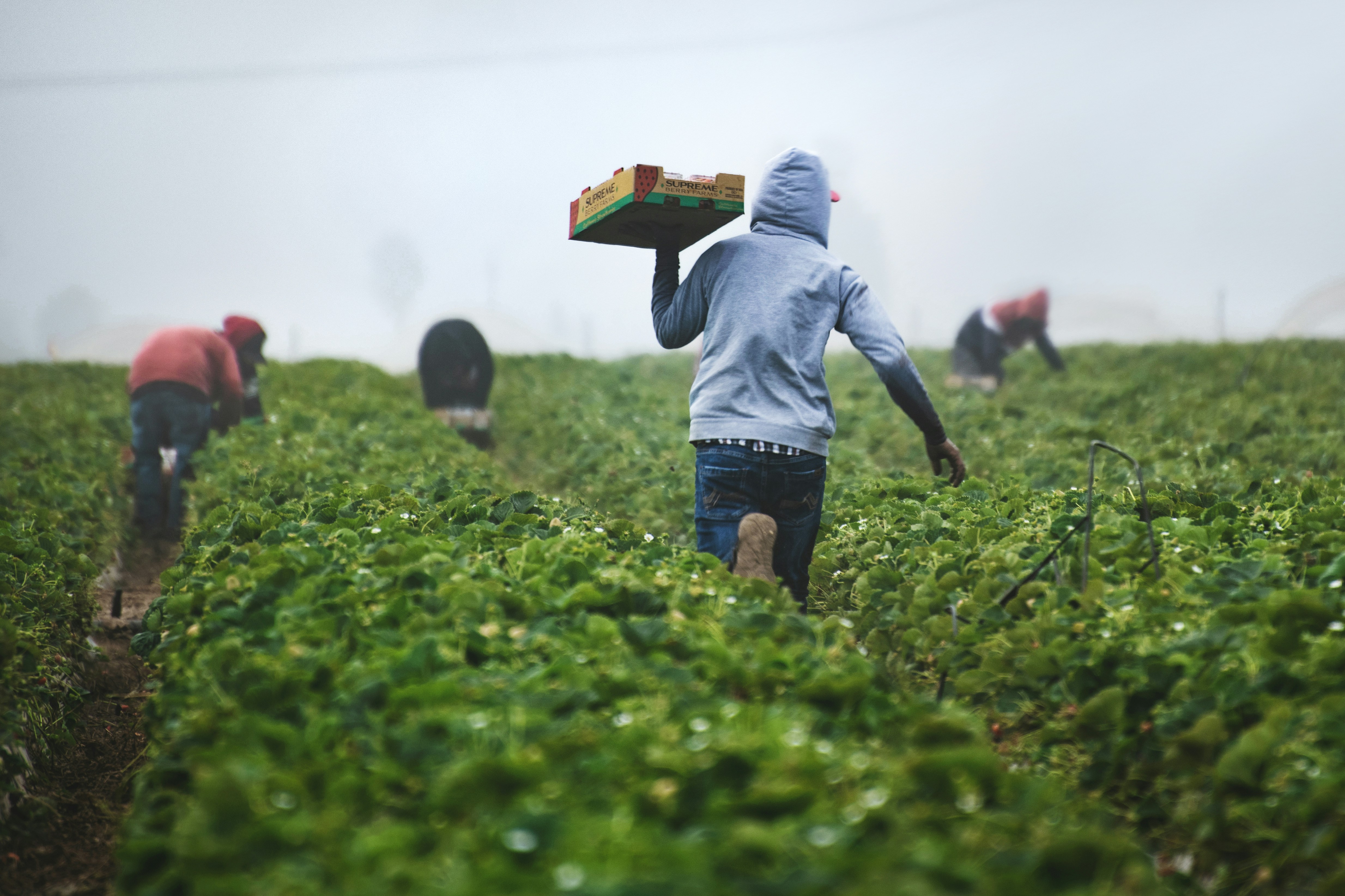
Agriculture covers a lot of ground, literally - fields spread over kilometres, with no Wi-Fi, no mains power at the point you need a sensor, and no realistic way to send someone to check a reading every day. LoRaWAN was practically built for this environment: long range, multi-year battery life, and no per-device SIM cost as you scale from a handful of sensors to hundreds.
This guide covers the sensor types Trackpac supports for smart agriculture and what each is used for. For the underlying wireless technology, see our LoRaWAN 101 glossary, or head straight to our smart agriculture sensors.
What Smart Agriculture Sensors Actually Measure
Trackpac supports a wide range of agricultural sensor types, each aimed at a specific variable growers and land managers need visibility on:
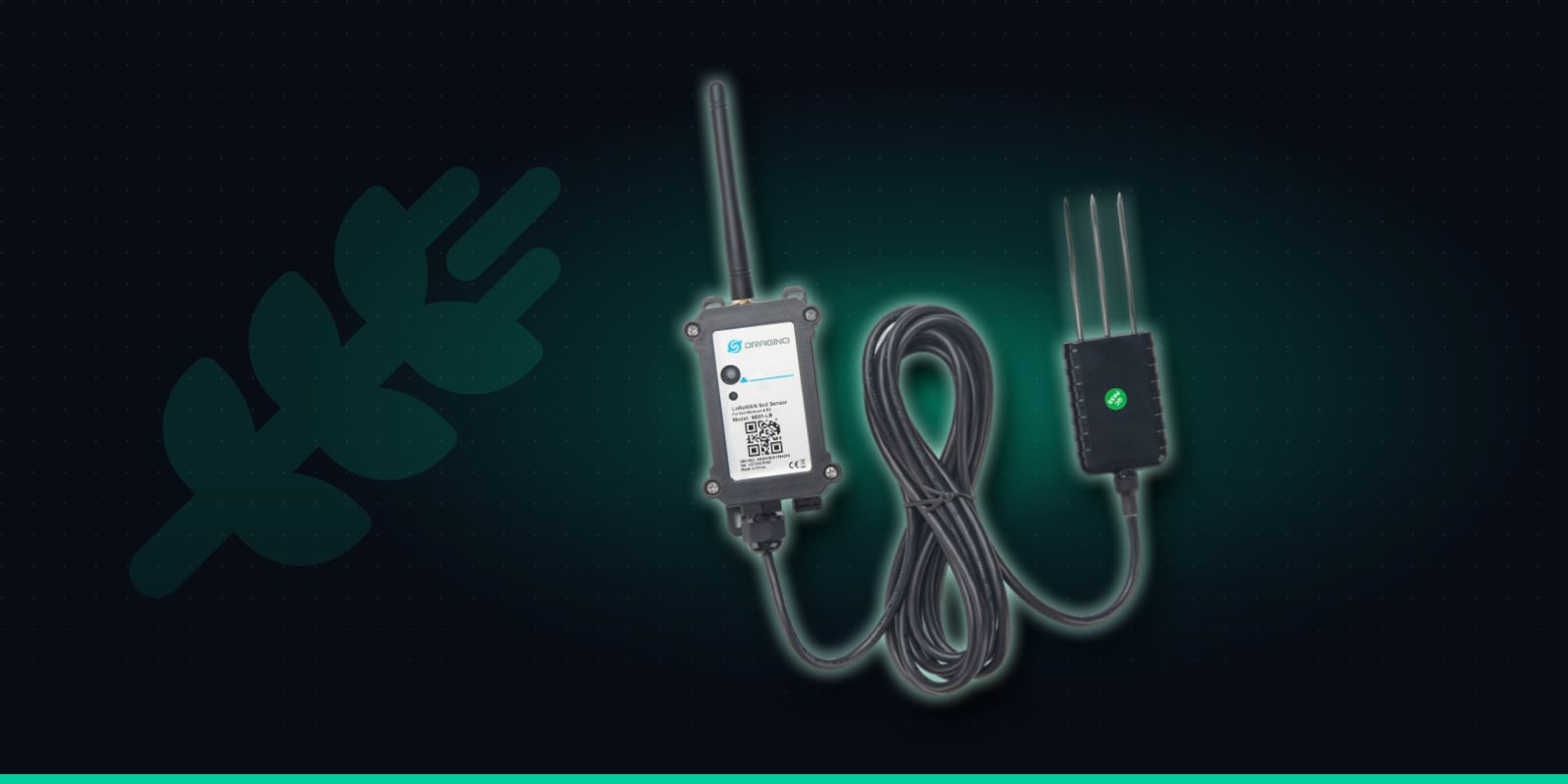
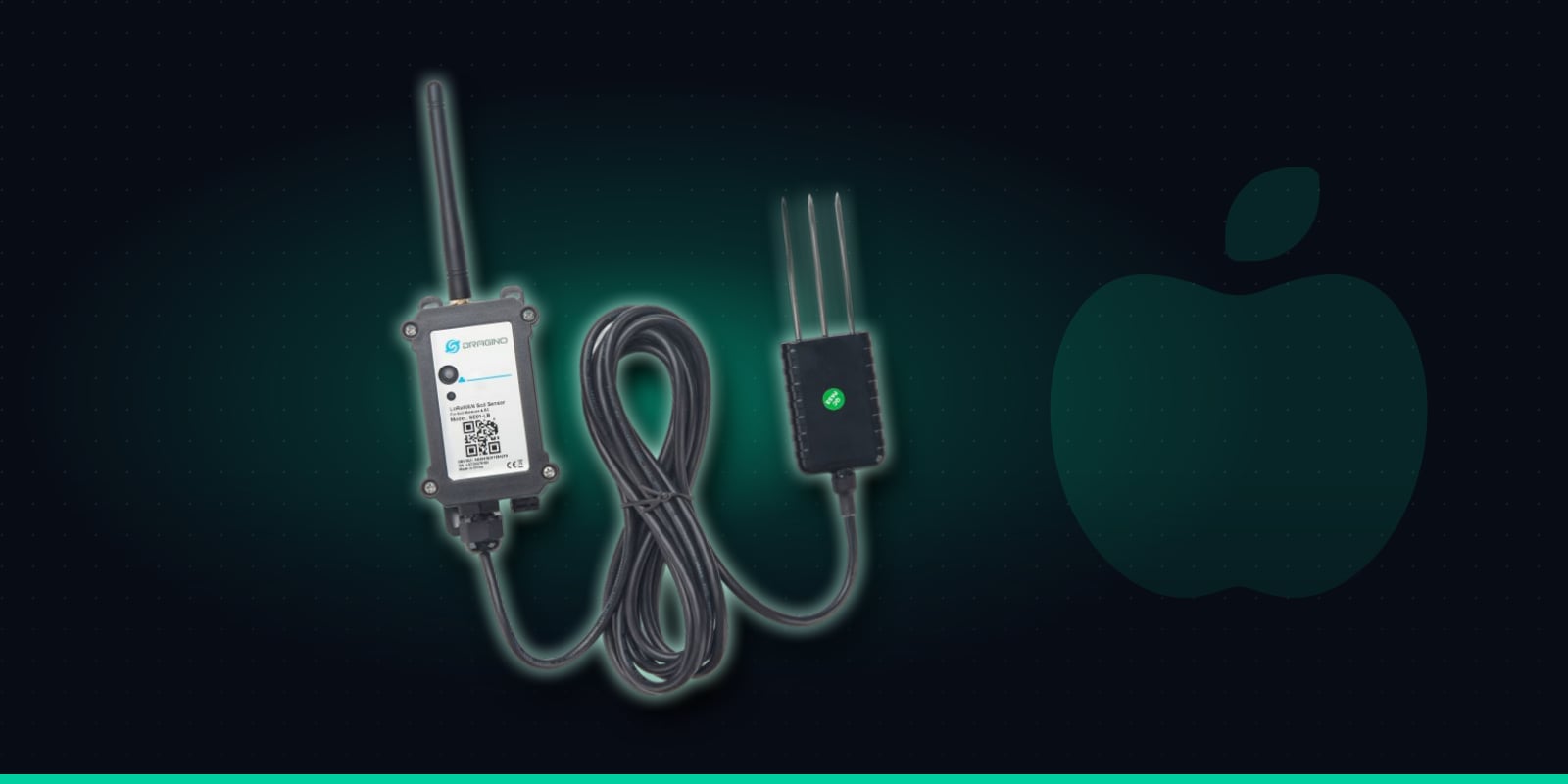
Soil moisture, temperature & conductivity
Track root-zone conditions to guide irrigation and flag nutrient or salinity issues early.
Soil pH
Monitor soil acidity/alkalinity to inform fertiliser and amendment decisions across a field.
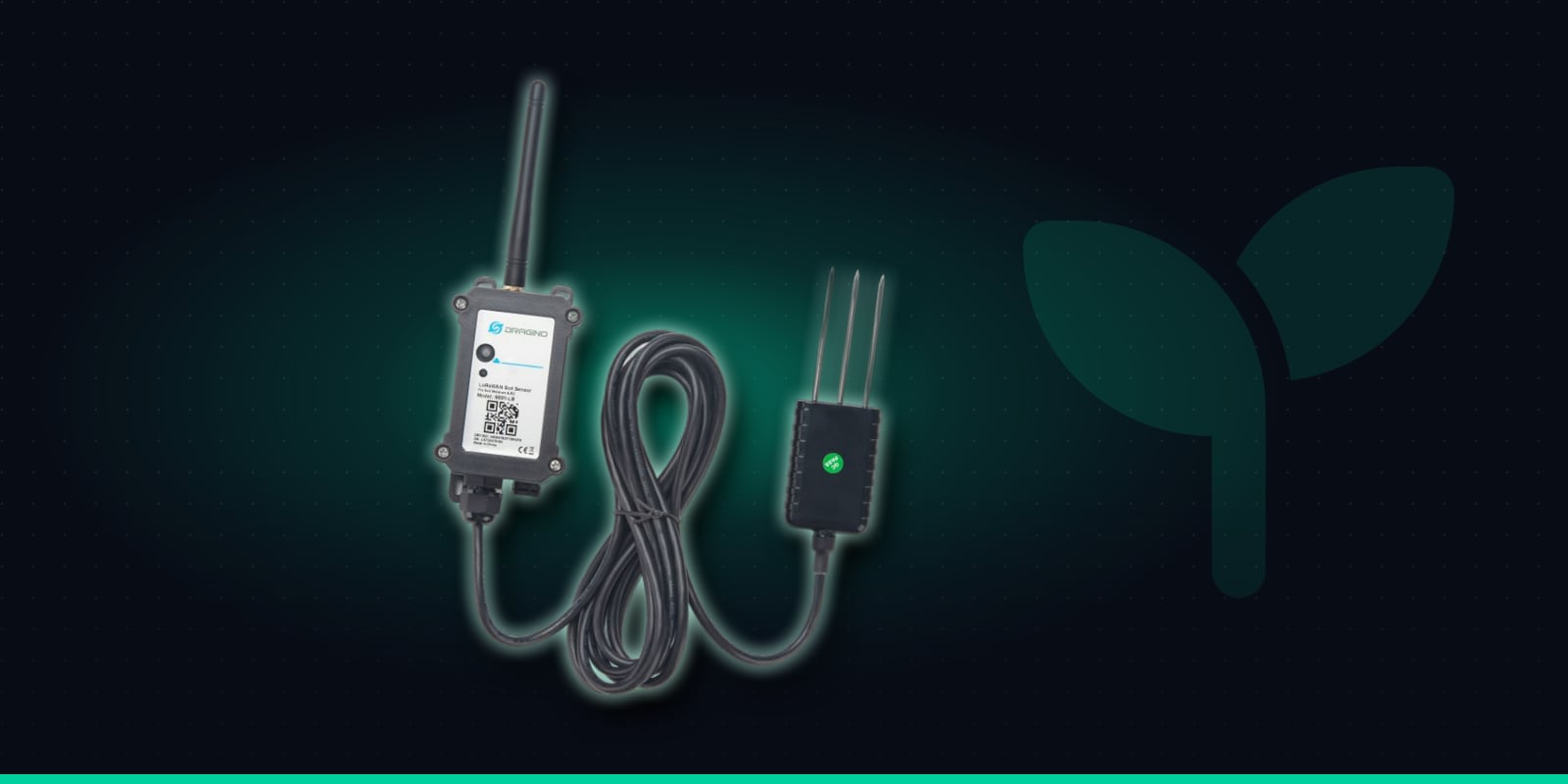
Leaf moisture & canopy conditions
Detect leaf wetness duration, a key input for predicting fungal disease risk in crops.
Tank & silo level monitoring
Ultrasonic distance sensors measure fill levels from 0.3m to 8m, ideal for grain silos and water tanks.
Beyond Soil: Livestock & Equipment on the Same Platform
Smart agriculture isn't only about soil and crops. The same LoRaWAN network covering your fields can support:
Equipment & livestock tracking
Rugged, long-life GPS trackers for machinery, trailers and livestock across large sites - see our LoRaWAN asset tracking guide.
Storage & outbuilding monitoring
Door sensors and temperature monitoring for feed stores, equipment sheds and cold storage.
Because all of it reports into one Trackpac dashboard, a farm running soil sensors, tank level monitoring and equipment tracking doesn't need separate systems for each - one gateway network, one login, one set of alert rules.
Frequently Asked Questions
What can LoRaWAN sensors actually measure on a farm?↓
Trackpac supports soil moisture, soil temperature, soil conductivity, soil pH, leaf moisture, air temperature and humidity, and ultrasonic distance sensors for tank and silo level monitoring - covering the main variables used in precision agriculture and farm asset management.
Why use LoRaWAN instead of Wi-Fi or cellular for farm sensors?↓
Farms are exactly the environment LoRaWAN was designed for: large areas with no existing Wi-Fi coverage, and sensors that need to run for years on a battery without a technician revisiting every device. A single gateway can cover several kilometres of fields, and there's no per-device SIM cost to scale up to hundreds of sensors across a site.
How does soil moisture monitoring help with irrigation?↓
Continuous soil moisture data lets you irrigate based on actual soil conditions rather than a fixed schedule, reducing both water waste and the risk of over- or under-watering. Combined with soil temperature and conductivity data, it also helps identify nutrient and salinity issues before they visibly affect crops.
Can Trackpac monitor grain silos and water tanks?↓
Yes. Trackpac supports ultrasonic distance/level sensors that measure fill levels in silos, tanks and hoppers from 0.3m to 8m range, reporting over LoRaWAN so you can check levels remotely instead of a physical inspection round.
Do agricultural sensors need mains power?↓
No - Trackpac's agricultural sensors are battery-powered and built for long deployment cycles in the field, which is essential given how impractical running mains power to a field sensor would be.