If you're responsible for vehicles, equipment, or high-value goods that move, you've probably weighed up GPS trackers, Bluetooth tags, and cellular fleet systems - and found each one either too expensive to run at scale or too power-hungry to leave in the field for long. LoRaWAN asset tracking solves both problems.
This guide covers what LoRaWAN asset tracking is, how it actually works, how it stacks up against cellular, Bluetooth, and Wi-Fi alternatives, and how to choose the right tracker for your business. For the commercial side - pricing, live maps, and geofence alerts - see our LoRaWAN asset tracking platform.
What Is LoRaWAN Asset Tracking?
LoRaWAN (Long Range Wide Area Network) is a wireless communication protocol built for the Internet of Things. It's designed around one trade-off: sacrifice bandwidth to gain range and battery life. Where Wi-Fi and Bluetooth need frequent recharging and only cover a single building, and cellular needs a SIM and a monthly data bill, LoRaWAN devices send small bursts of data over kilometres of range while drawing almost no power in between.
A LoRaWAN asset tracker is a small battery-powered device attached to (or built into) whatever you want to monitor - a trailer, a pallet, a generator, a delivery crate. Most trackers pair LoRaWAN connectivity with a positioning method: GPS/GNSS for outdoor accuracy, Wi-Fi or BLE scanning for indoor and urban positioning, or a mix of both. The result is a device that reports location and status data for months or years without a battery change or a data contract.
How LoRaWAN Asset Tracking Works
1
The tracker captures a position
Using GPS/GNSS, Wi-Fi access point scanning, or Bluetooth beacons, the tracker works out where it is - or, for motion-activated devices, simply detects that it has moved.
2
Data is transmitted over LoRaWAN
A small, encrypted packet - location, battery level, sensor readings - is radioed out over the LoRaWAN network at regular intervals or when triggered by movement.
3
A gateway picks up the signal
Any LoRaWAN gateway within range - your own, or a public network like Helium - receives the packet and forwards it to the internet.
4
The network server decodes it
A LoRaWAN network server validates and routes the packet to the right application - in Trackpac's case, our platform decodes the raw payload into location, battery, and sensor data.
5
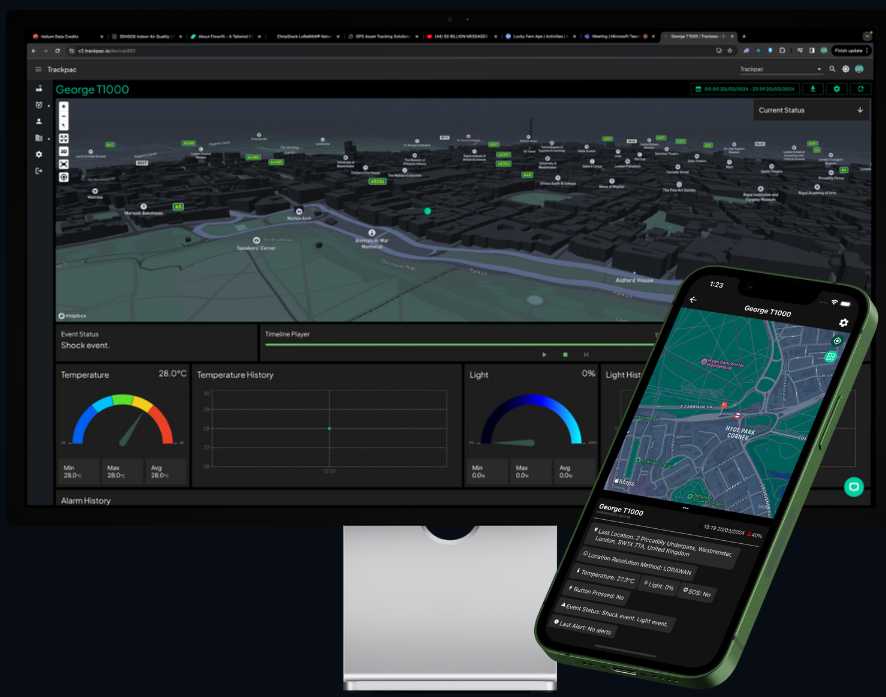
You see it on a live map, with alerts
The dashboard plots the asset's position and history, and fires alerts for geofence breaches, unexpected movement, or low battery - by email, SMS, or webhook.
LoRaWAN vs Cellular, Bluetooth & Wi-Fi Tracking
There's no single "best" tracking technology - it depends on range, indoor/outdoor use, and how many devices you're deploying. Here's how LoRaWAN compares to the alternatives:
Technology
Range
Battery Life
Running Cost
Best For
LoRaWAN
2-10 km urban, further rural
Months to years
No SIM - flat platform fee
Equipment, job sites, logistics
Cellular / GPS
Nationwide (network dependent)
Days to weeks
Monthly SIM fee per device
Vehicles needing live tracking
Bluetooth (BLE)
10-50 m
Months to years
No SIM, needs local scanners
Indoor, single-site tracking
Wi-Fi
Building/campus only
Days (high power draw)
No SIM, needs existing Wi-Fi
Indoor positioning where Wi-Fi exists
In practice, the best LoRaWAN trackers combine more than one positioning method - GPS outdoors, Wi-Fi/BLE indoors - so you get reliable coverage everywhere without the running costs of cellular.
Choosing the Right LoRaWAN Asset Tracker
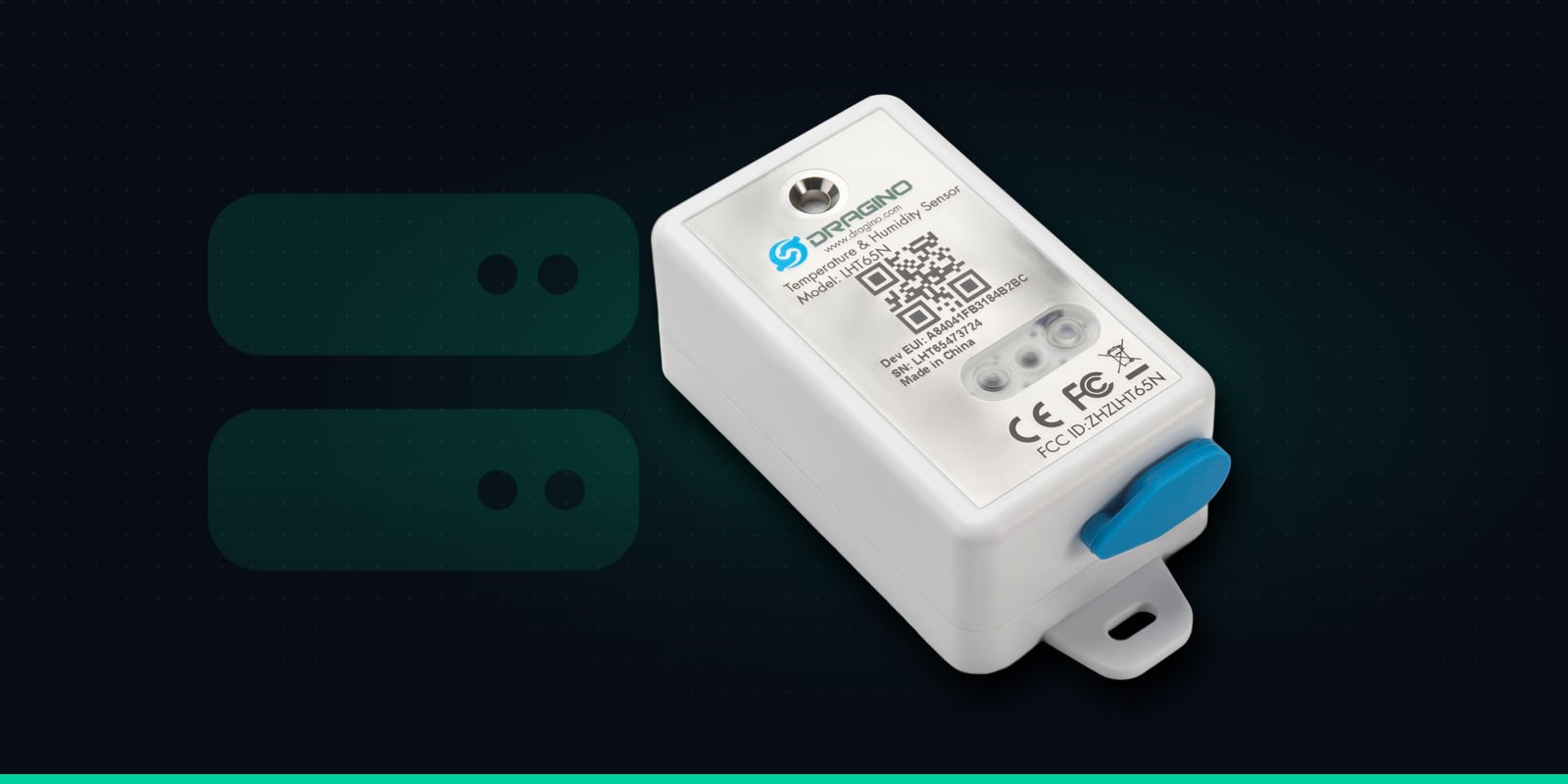
The right device depends on the asset, the environment, and how precise you need location data to be. Trackpac supports a range of LoRaWAN trackers from established manufacturers:
Vehicle & fleet tracking with ignition and run-time status
See the full range on our LoRaWAN asset tracking platform page, where every device connects straight into Trackpac's dashboard with alerts and geofencing included.
Industries & Use Cases
Fleet & logistics
Track trailers, containers, and returnable transport items across depots without a SIM in every unit.
Construction & job sites
Monitor tools, generators, and plant equipment moving between sites, and get alerted the moment something leaves a geofence.
Warehousing & inventory
LoRaWAN's ability to penetrate walls and metal structures makes it well suited to tracking high-value stock indoors.
Cold chain & temperature-sensitive goods
Combine location with temperature sensing to prove compliance in transit - see our cold chain monitoring guide.
Agriculture & livestock
Long battery life and rural range make LoRaWAN well suited to tracking machinery and livestock across large sites.
Rental & high-value equipment
Deter theft and prove location history for insurance or contractual disputes over rented or loaned equipment.
Deploying LoRaWAN Asset Tracking: Getting Started
1. Define what you're tracking
List the assets, how often you need updates, and whether they're mostly indoors, outdoors, or both - this narrows down tracker choice fast.
2. Check gateway coverage
Public networks like Helium may already cover your site. For guaranteed indoor or dense-urban coverage, plan one or more private gateways - our LoRaWAN consultancy team can help.
3. Match the tracker to the use case
Weigh up battery life, ruggedness, and positioning method using the comparison above, then order a small pilot batch before rolling out fleet-wide.
4. Configure geofences & alerts
Set up zones and thresholds in your dashboard so the right person gets notified the moment an asset moves unexpectedly.
Frequently Asked Questions
What is LoRaWAN asset tracking?↓
LoRaWAN asset tracking is a method of monitoring the location and condition of vehicles, equipment, and goods using battery-powered trackers that combine GPS (or Wi-Fi/BLE positioning) with LoRaWAN, a low-power, long-range wireless network. Unlike cellular trackers, LoRaWAN devices don't need a SIM card and can run for months or years on a single battery.
How far does LoRaWAN asset tracking reach?↓
Range depends heavily on terrain and gateway placement. In dense urban environments, typical coverage is 2-10 km from a single gateway. In open rural areas with line-of-sight, LoRaWAN signals can travel considerably further. Adding more gateways extends and densifies coverage across a site or region.
How long do LoRaWAN asset trackers last on a battery?↓
It varies by device and reporting frequency, but LoRaWAN's low power draw means trackers commonly run for many months to several years between battery changes - a major advantage over cellular GPS trackers, which typically need charging every few days to weeks.
Is LoRaWAN better than cellular or Bluetooth for asset tracking?↓
It depends on the use case. LoRaWAN wins on battery life, range, and running cost (no per-SIM fees), making it ideal for long-term outdoor and job-site tracking. Cellular/GPS trackers suit vehicles needing constant real-time updates. Bluetooth suits short-range indoor tracking within a single building. Many businesses combine LoRaWAN with GPS chips on the same device to get the best of both.
Do I need to install my own LoRaWAN gateway?↓
Not always. Public and community LoRaWAN networks, including the Helium Network, already provide coverage in many areas. For guaranteed indoor coverage, dense urban deployments, or remote sites, installing one or more private gateways is recommended - Trackpac's LoRaWAN consultancy team can help plan this.
How much does LoRaWAN asset tracking cost?↓
Hardware trackers typically range from around £30 to £150+ depending on features like GPS accuracy, ruggedisation, and battery size. Platform costs on Trackpac start from £15/device/ year with no per-message fees, which is significantly cheaper at scale than cellular tracking plans that charge monthly SIM fees per device.