4th March 2025By Neil Skoglund
The Ultimate Guide to Indoor Air Quality Monitoring

Quick Facts:
Indoor air quality (IAQ) has become a hot topic in recent years, and for good reason. As we spend more time indoors—whether working from home, hitting the gym, or simply relaxing—the air we breathe inside our spaces plays a significant role in our overall health and well-being. Poor IAQ isn't just a buzzword; it's linked to issues like allergies, respiratory problems, and even decreased productivity. So, understanding and keeping tabs on our indoor air is more crucial than ever.
In this comprehensive guide, we'll dive deep into the essentials of indoor air quality monitoring in 2025. From the key pollutants to watch out for to the latest in smart monitoring technology, we've got you covered. Plus, we'll share actionable tips to enhance the air you breathe, ensuring your indoor spaces remain healthy and inviting.
Whether you're a homeowner aiming to create a safer environment for your family or a business leader striving for a healthier workplace, this guide offers insights and practical advice to help you navigate the world of indoor air quality.
📊 Key Air Quality Metrics
Monitoring these essential metrics helps maintain a healthier indoor environment and prevents potential health risks.
CO₂ Levels
Elevated CO₂ levels can cause fatigue, headaches, and reduced concentration. Ensure adequate ventilation to maintain optimal levels.
Particulate Matter (PM2.5 & PM10)
Fine particles can penetrate deep into the lungs, causing respiratory issues and exacerbating conditions like asthma.
Volatile Organic Compounds (VOCs)
Emitted from products like paints and cleaners, VOCs can degrade air quality and lead to health effects.
Humidity & Temperature
Maintaining balanced humidity (30-50%) prevents mold growth and ensures comfort in indoor spaces.
💡 Best Practices for Improving Indoor Air Quality
Implement these strategies to enhance IAQ and promote a healthier indoor environment.
Ensure Proper Ventilation
Regularly open windows, use exhaust fans, and ensure cross-ventilation to improve airflow and reduce indoor pollutants.
Incorporate Air-Purifying Plants
Plants like Spider Plant and Peace Lily can absorb toxins and enhance indoor air quality.
Minimize Indoor Pollutants
Choose eco-friendly cleaning products, avoid synthetic fragrances, and regularly clean to reduce pollutants.
Use Air Purifiers
Devices equipped with HEPA filters help remove airborne pollutants, smoke, and allergens.
🔔 Monitoring and Alerts
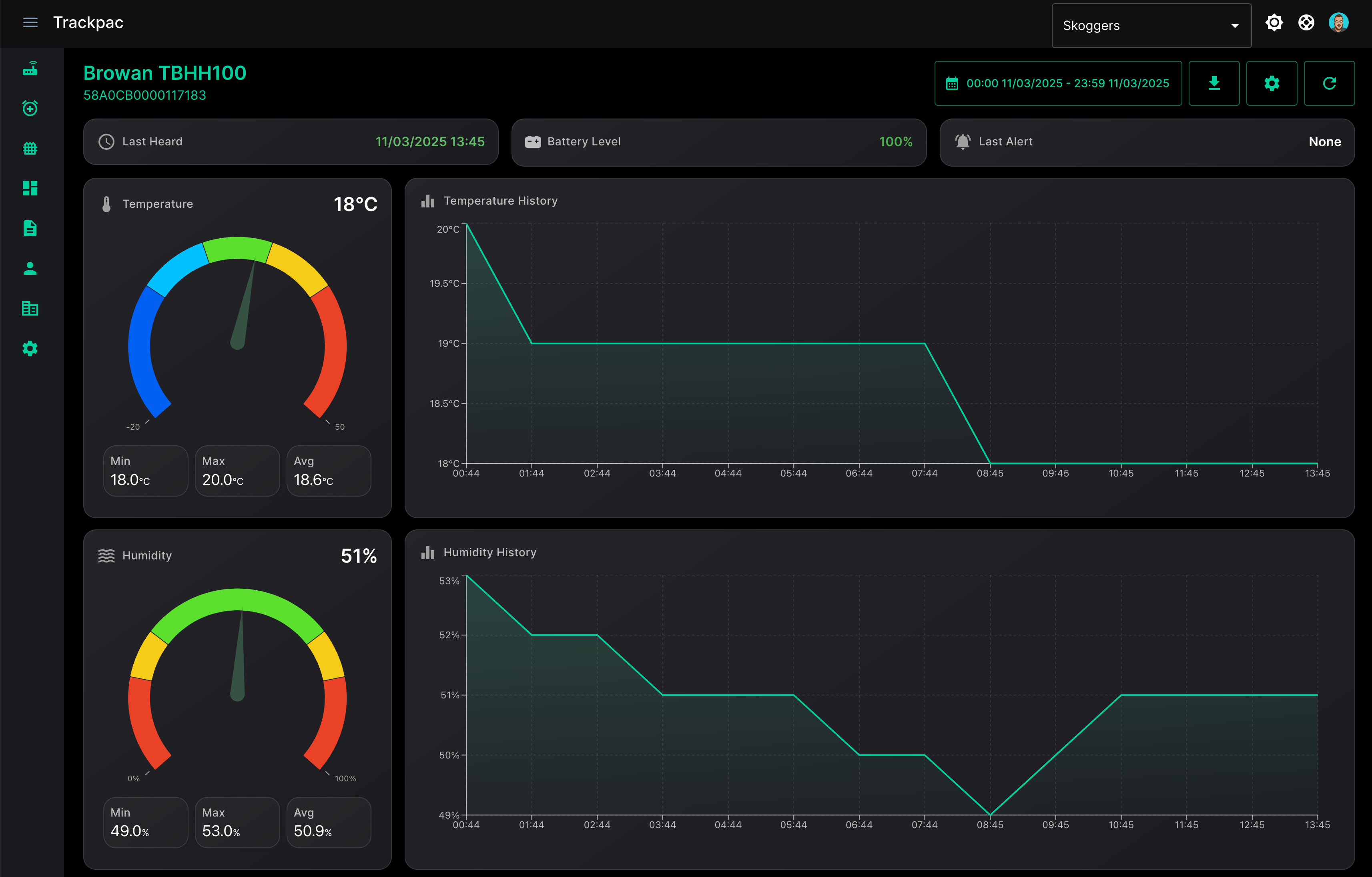
Continuous monitoring and timely alerts are essential components of effective indoor air quality management. By tracking key metrics in real-time and receiving instant notifications about air quality changes, you can take immediate action to protect occupant health and wellbeing. This proactive approach helps prevent exposure to harmful pollutants and maintains a consistently healthy indoor environment.
Monitor in Real-Time
Track air quality metrics live to get the best out of them.
Setup Alerts
Setup alerts to receive notifications when air quality falls below or above acceptable levels.
Data Analysis
Analyise historical data to identify trends and patterns. Use this to make informed decisions.
Automated Response
Connect with smart devices to automatically trigger ventilation systems or air purifiers when needed.