Bin Store & Compound Door Monitoring with the LDS03A
22nd October 2026•By Neil Skoglund
LDS03A Use Case
A bin store door that's been left open, or a compound gate that wasn't locked at closing time, rarely stays a small problem. Non-residents and passers-by dump bags and bulky items, foxes and rats get into the bins, litter blows across the car park and the smell reaches the nearest windows. Then come the complaints - usually to whoever manages the building, and usually long after the door was left open.
This guide is for managing agents and housing providers with bin stores at blocks of flats, retailers and restaurants with a waste compound out the back, and business parks with shared recycling areas. It shows how a Dragino LDS03A outdoor door sensor, reporting into Trackpac, tells you when a bin store door is left open, when a compound is opened out of hours, and how busy each store really is - across one site or a whole portfolio.
Why Bin Stores Need a Different Kind of Door Sensor
Bin stores and waste compounds are hard on equipment. Doors and gates are often steel, they're slammed many times a day, and the sensor has to cope with rain, frost and the occasional bin being wheeled into it. A small indoor contact sensor stuck to the frame won't last long, and many won't work across the gap on a heavy steel door at all.
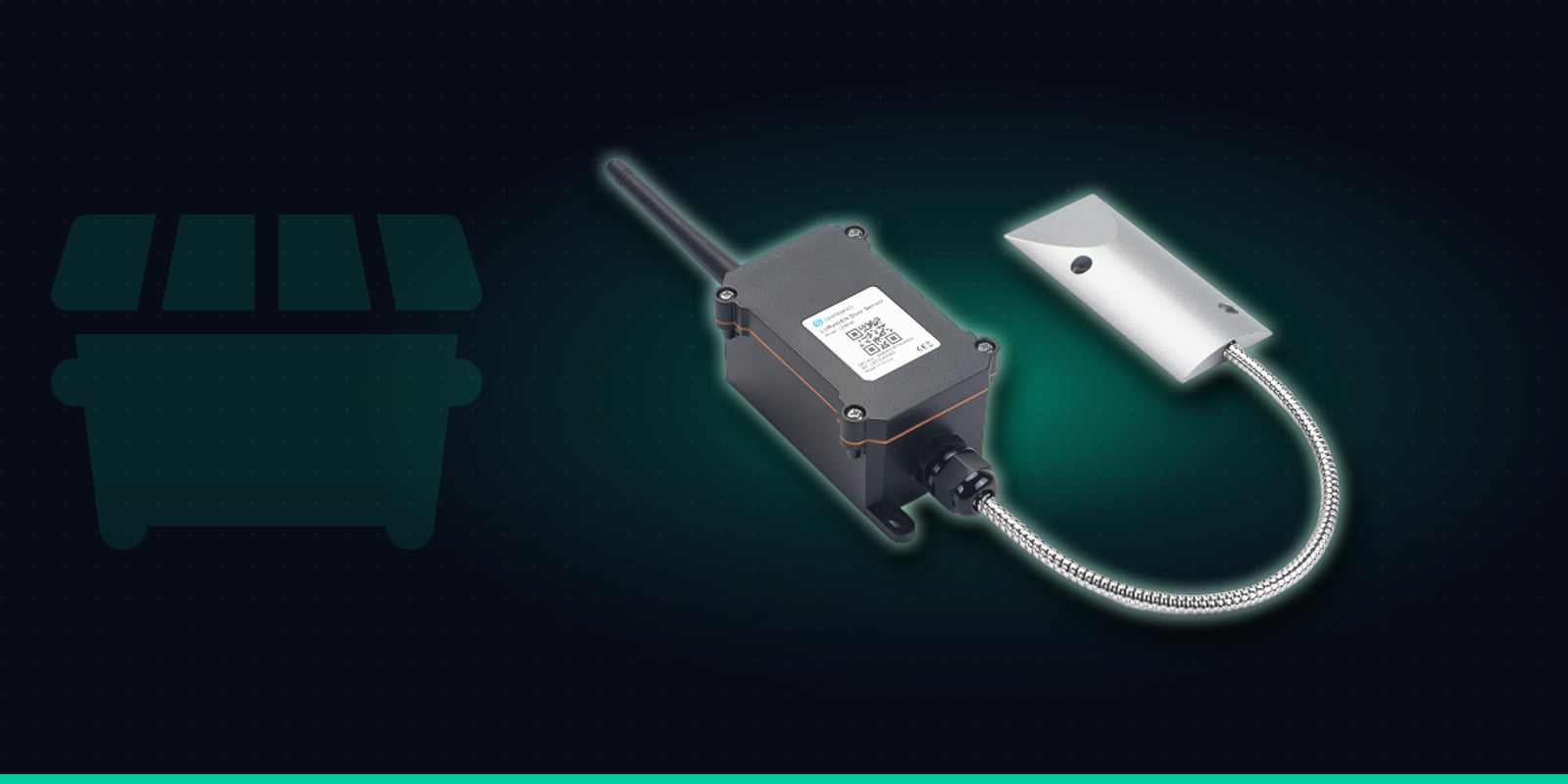
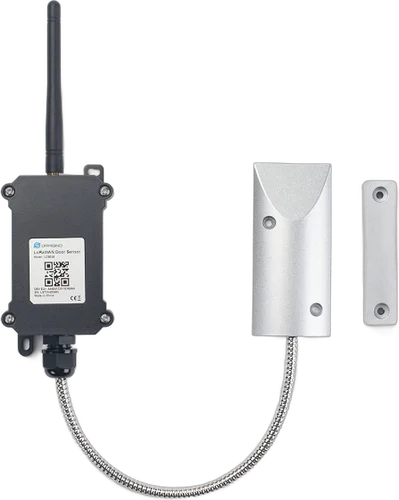
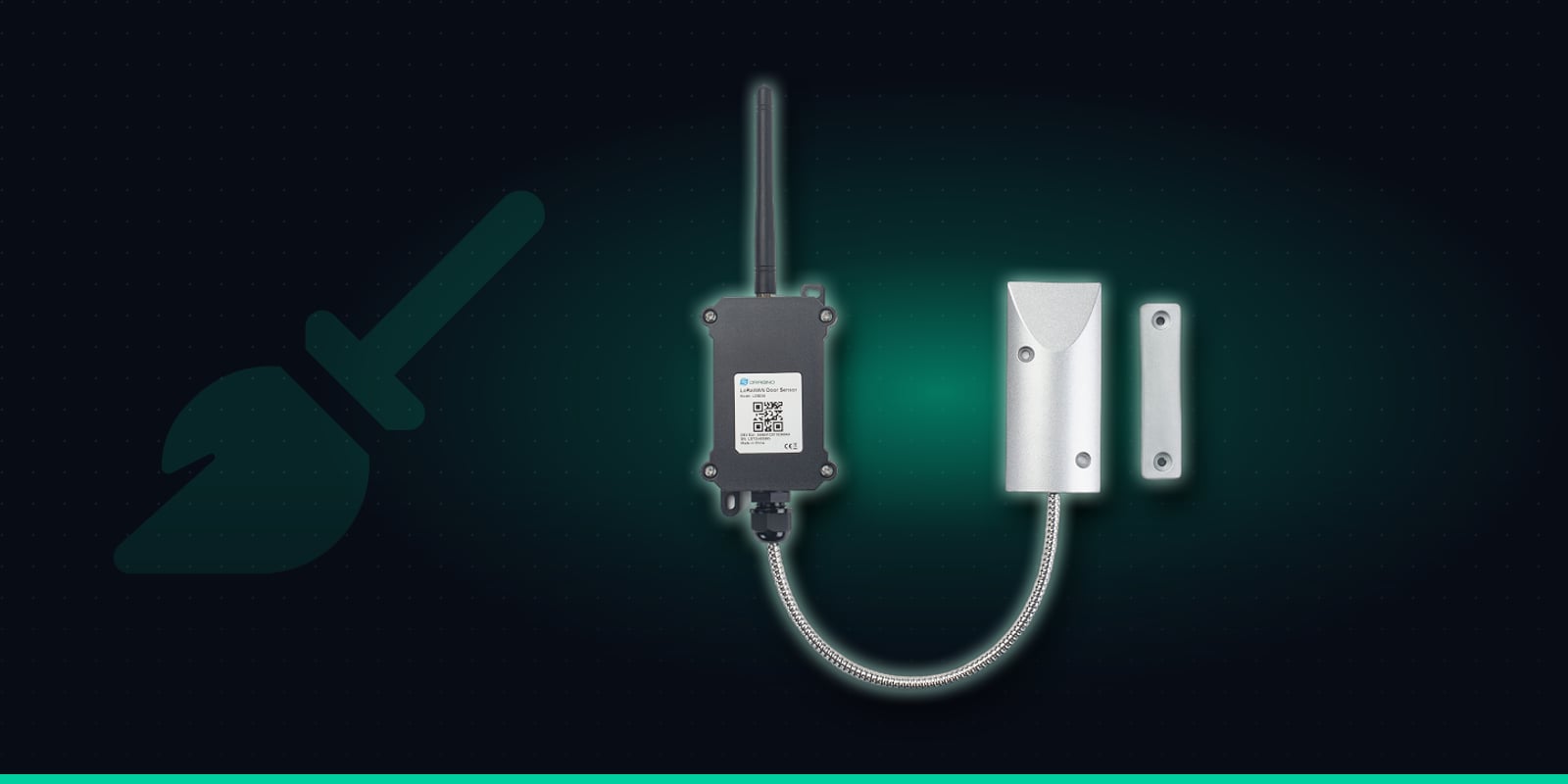
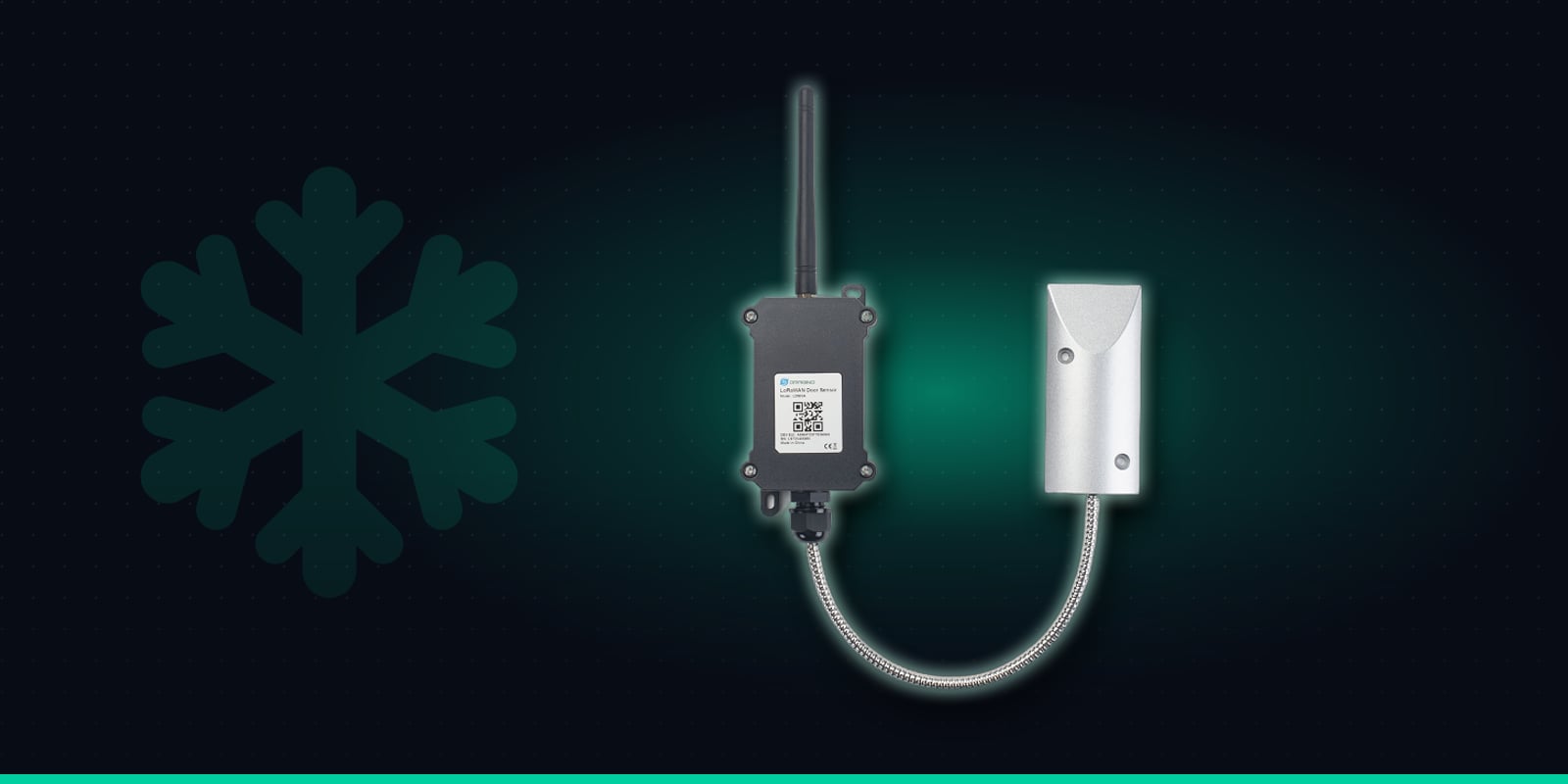
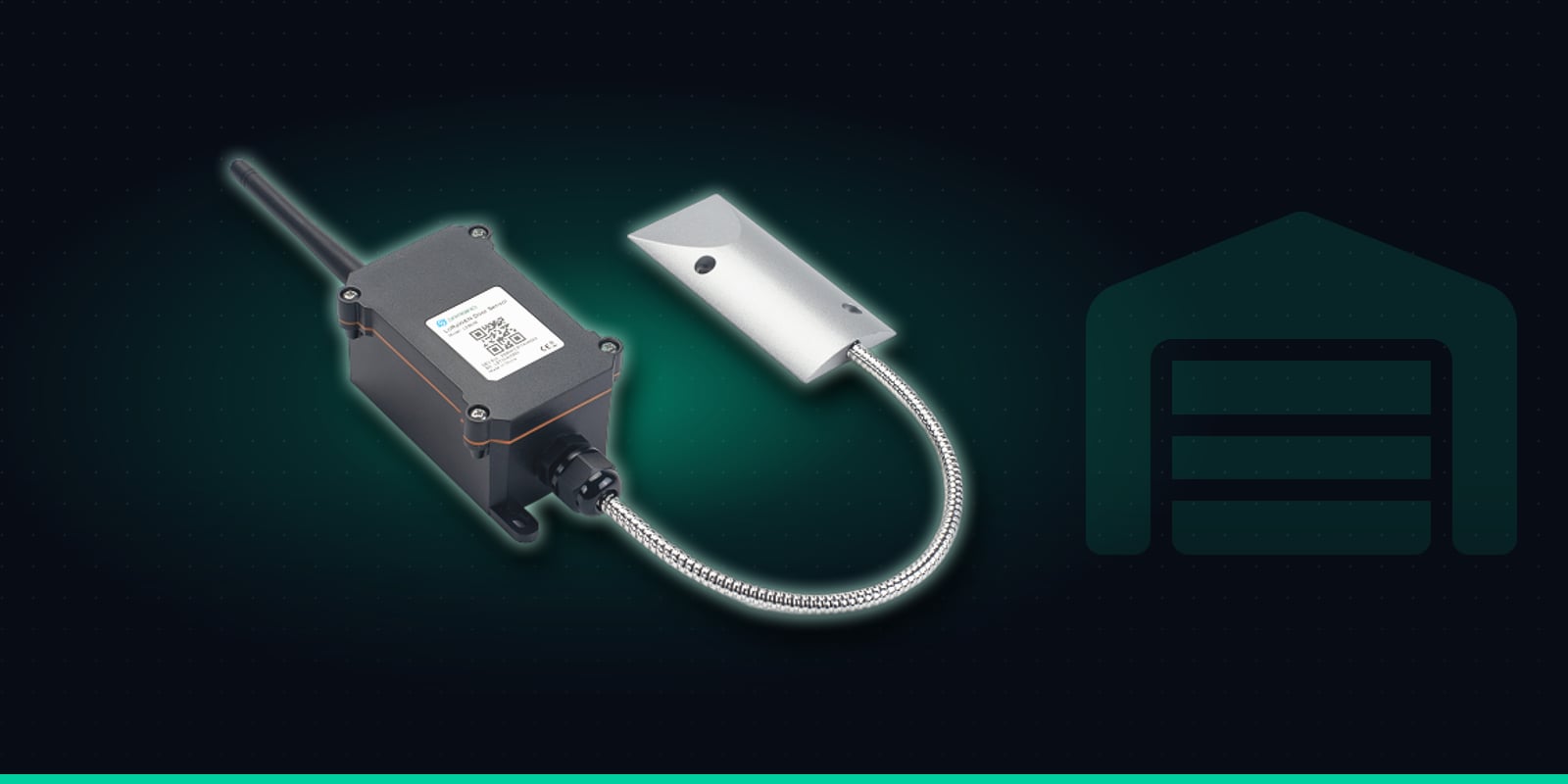
The LDS03A is built for this. A weatherproof enclosure holding the battery, radio and antenna mounts on the wall, connected by an armoured, steel-sheathed cable to a heavy-duty magnetic contact. A separate magnet fixes to the moving door or gate. It reports over LoRaWAN, so there's no Wi-Fi, mains power or SIM card needed at the bin store. For the wider picture of what door sensors can do, see our overview of door and window monitoring.
Magnetic contact
Heavy-duty contact on an armoured cable. Works across a 10-30mm gap on wooden doors and 30-45mm on steel.
Reports every opening
Sends each open and close as it happens, plus a status check every 2 hours.
Open-too-long alarm
Raises an alarm if a door stays open past a time you set.
Counts & durations
Keeps a running total of openings and how long the last one lasted.
Built for outdoors
Weatherproof enclosure, rated from -40 to +85°C.
Up to 10-year battery
8500mAh battery. Life depends on how often the door is used.
Specifications from Dragino's LDS03A documentation.
Catch a Door Left Open Before It Becomes a Mess
Most bin store problems start with a door that didn't close properly: wedged open while someone made a second trip, blocked by an overflowing bin, or with a closer that has stopped doing its job. The LDS03A has an open-too-long alarm built in. You set a time - a few minutes is plenty for someone to drop off a bag - and if the door is still open after that, the sensor sends an alarm, which Trackpac can pass on by email, SMS or push notification.
Because the LDS03A sends a report on every open and close by default, rather than every few hours, the alert reaches the caretaker or site team while there's still time to shut the door before foxes, gulls or fly-tippers find it. When the door closes again, Trackpac can send a "resolved" message, so nobody makes a wasted trip. Over time, the history also shows which stores trip the alarm most often - a good hint that a door closer or latch needs attention.
Out-of-Hours Alerts for Compounds That Should Be Locked
Commercial waste compounds are different from residential bin stores. At a restaurant, shop or business park, the compound is usually only meant to be opened during trading hours and on collection days. An opening at 2am is worth knowing about: it may mean the gate wasn't locked, or that someone is using your bins and your collection contract for their own waste.
Trackpac alert rules can use time windows, so the compound gate only raises an alert when it opens outside the hours you set - no notifications every time staff take the rubbish out during the day. Trackpac records when the gate opened and for how long, not who opened it, but a pattern of late-night openings is clear evidence that the lock or the gate needs looking at, and a useful record if you need to raise it with neighbouring businesses or your landlord.
See How Busy Each Bin Store Really Is
Every LDS03A report includes a running total of openings and the duration of the last one. In Trackpac, that builds into a history of how often each bin store is used - by day, by week, and around collection days. Reports and exports give you the figures in a spreadsheet, so you can compare one block with another.
That's useful context when you agree collection frequency or bin numbers with your waste contractor. A store that's used far more than the others on the estate, with complaints about overflowing bins to match, makes a stronger case for an extra collection or another bin than anecdote alone. The sensor counts door openings, not how full the bins are, so treat the numbers as a measure of how busy a store is rather than a fill level. If you also schedule cleaning by use, see usage-based cleaning with door counts.
Count-Only Mode for Very Busy Bin Stores
The LDS03A's 8500mAh battery is rated for up to 10 years, but that depends on how many reports it sends, and a bin store serving a large block can be opened many times a day. For those doors, the LDS03A has a count-only mode: it stops sending a report on every opening and instead counts them, reporting the total periodically. You lose real-time open alerts, but keep the usage history and save battery. A sensible split is real-time reporting on commercial compounds and quieter stores, where an open door or out-of-hours opening matters, and count-only mode on the busiest residential bin stores, where you mainly want usage figures. Settings such as the reporting interval and the open-too-long time can also be changed remotely over LoRaWAN, which saves site visits once the sensors are installed.
Managing Bin Stores Across Sites & Blocks
One sensor covers one door or gate, so a block with two bin stores, or a compound with a pedestrian door and a vehicle gate, needs one LDS03A on each. Trackpac keeps them all on one dashboard, however many sites you look after.
Blocks of flats & estates
Tag sensors by block, estate or client so a managing agent can see every bin store in a portfolio at once, and filter down to one development when a complaint comes in.
Shops & restaurants
Tag compounds by branch so an area manager can see which sites leave the gate open after closing, and send out-of-hours alerts to the right branch manager.
Read-only links for caretakers
A read-only dashboard link lets a caretaker, concierge or managing agent see door status and history for the stores they look after, without being able to change sensors or alert rules.
Webhooks into your work orders
Forward open-too-long alarms and other events by webhook to a maintenance or work-order system, so a door that keeps being left open becomes a job for someone to fix, not just a notification.
Installing the LDS03A on a Bin Store Door
Installation needs no mains power or network cabling, and is usually a short job for a caretaker or maintenance contractor.
1
Order "Trackpac Ready", scan and name it
Buy the LDS03A from Hexaspot with the Trackpac Ready option, scan its QR code in the Trackpac app and give it a clear name like "Block B - bin store door", which reads far better in an alert than a serial number. Tag it by block, site or client.
2
Mount the enclosure where bins won't hit it
Fix the enclosure to a wall beside the door, high enough to stay clear of bins being wheeled in and out. Route the armoured cable along the wall or frame to where the contact will sit, and fix it in place so it can't be snagged.
3
Fit the contact and magnet within range
Fix the contact to the frame and the magnet to the opening edge of the door or gate, so they line up when it's shut. Keep the gap within about 30-45mm on steel or 10-30mm on wood. On a double gate, choose the leaf that opens most often.
4
Test before you leave
Open and close the door a couple of times and check each event appears on the Trackpac dashboard or in the mobile app. Bin stores are often tucked behind buildings or below ground level, so it's worth confirming the signal is getting through.
Alert Rules for Bin Stores & Compounds
Trackpac can alert on the door opening or closing, the open-too-long alarm and battery level, by email, SMS or push notification. Rules can target tags, so every sensor tagged "Bin stores" shares the same rules, and a new sensor added to the tag picks them up automatically. A few rules cover most sites:
Open too long: go and shut it
Send the open-too-long alarm to the caretaker or site team, so a door wedged open gets closed before the bins are raided or filled with someone else's rubbish.
Opened out of hours: check the compound
On commercial compounds, alert only on openings outside trading hours, so staff using the bins during the day don't generate noise.
Closed again: resolved
The "resolved" message confirms the door has been shut, so the person on call knows they no longer need to go.
Low battery: plan a visit
Busy doors use more battery, so a low-battery rule makes sure a sensor doesn't quietly stop reporting.
A trigger-lock interval stops a busy door from sending a stream of alerts, and the opening count and last-open duration are always on the dashboard and in the history - no alert rule needed to see how busy a store has been.
Coverage, Costs & What It Won't Do
The LDS03A reports over LoRaWAN, so it doesn't rely on a building's Wi-Fi. If coverage drops for a while, the sensor stores its events and sends them once the network is back, so the history stays complete. Bin stores in basements or enclosed steel compounds can be harder to reach, so read what to check about LoRaWAN coverage before you plan, and see Trackpac pricing for the subscription.
Be clear about what it does and doesn't do. Trackpac records when a door opened and for how long; it doesn't identify who opened it, lock the door, or send someone out automatically. It gives your team, or your work-order system, the information to act quickly. If you also look after containers or storage on construction or estate sites, see shipping container and site storage door alerts.
Get Started
Keep bin store doors shut
One LDS03A per bin store door or compound gate, built for steel doors and outdoor weather - with open-too-long and out-of-hours alerts to your phone, and a history of how busy each store is.
€59.92 ex VAT from Hexaspot, our sister company in the Connect IoT group. VAT is added at checkout based on your country.
Choose the Trackpac Ready option and the sensor arrives pre-registered on Trackpac - scan the QR code and it's live on your dashboard.
Trackpac covers connectivity, dashboard, alerts and data storage from £15 / €18 per sensor per year.
Will the LDS03A work on a steel bin store door or compound gate?↓
Yes. The LDS03A uses a heavy-duty magnetic contact on an armoured cable, with a separate magnet fixed to the moving door or gate. Dragino quotes a working gap of about 30-45mm between contact and magnet on iron and steel doors, and about 10-30mm on wooden doors, so it suits steel bin store doors, metal compound gates and timber enclosures alike. The enclosure is weatherproof and rated from -40°C to +85°C for outdoor use.
How quickly will I know a bin store door has been left open?↓
With the default settings the LDS03A sends a report the moment the door opens and again when it closes, so Trackpac sees each event within seconds, subject to LoRaWAN coverage. For a door left open, the sensor's open-too-long alarm triggers once the door has been open longer than the time you set, and Trackpac can send that alarm by email, SMS or push notification.
Can Trackpac tell me who left the bin store open or dumped waste in it?↓
No. The LDS03A is a door sensor, not a camera or access control system. Trackpac records when the door opened, when it closed and how long it was open, which is often enough to spot a pattern - such as a compound opened late at night - and to decide what to do about it. It does not identify individuals.
Can Trackpac tell the waste contractor when the bins need emptying?↓
Not directly. The LDS03A counts door openings, not how full the bins are. What the opening history does show is how busy each bin store is from day to day and week to week, which is useful context when you review collection days or bin numbers with your waste contractor. Reports and exports give you the figures, and webhooks can forward events to your own maintenance or work-order system.
Where can I buy the LDS03A for use with Trackpac?↓
The Dragino LDS03A is sold by Hexaspot, Trackpac's sister company in the Connect IoT group, for €59.92 ex VAT, with VAT added at checkout based on your country. Choose the 'Trackpac Ready' option and the sensor arrives pre-registered on Trackpac, so you only need to scan its QR code. A Trackpac subscription from £15 / €18 per sensor per year covers connectivity, the dashboard, alerts and data storage.