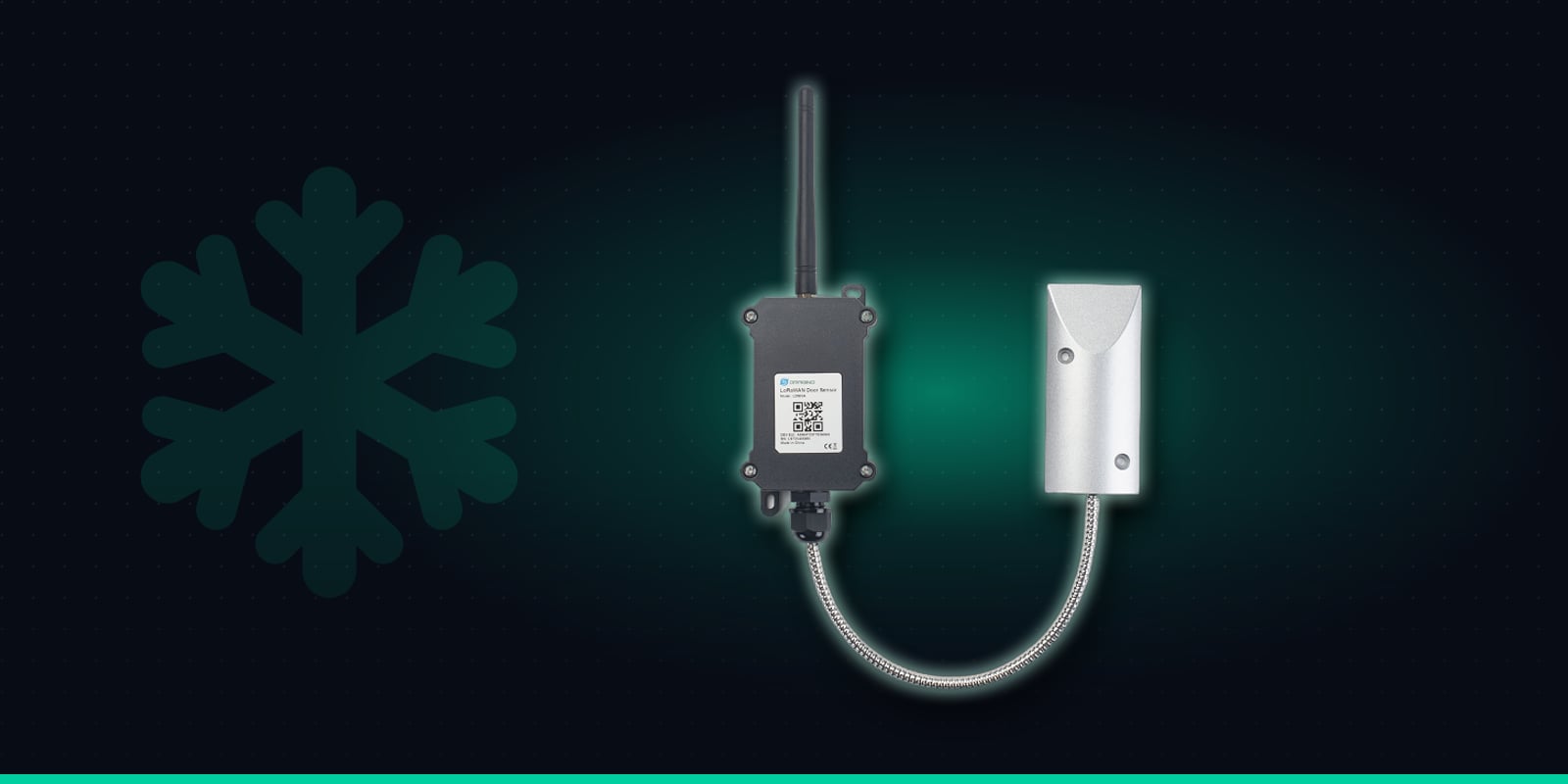
Utility & Telecom Cabinet Door Monitoring with the LDS03A
22nd October 2026•By Neil Skoglund
LDS03A Use Case
Roadside cabinets, kiosks, plant-room doors and access hatches often sit unattended for weeks at a time. They get opened by contractors doing planned work, by people who shouldn't be there, and occasionally by thieves - and often nobody finds out until the next visit, a fault, or a missing piece of kit. A door left unsecured after a job can stay that way until someone happens to notice.
This guide is for telecoms and network operators, utilities, water and wastewater teams, EV charging and street-furniture operators, and facilities managers with cabinets spread across a region. It shows how a Dragino LDS03A on each cabinet door, reporting into Trackpac, alerts you when a cabinet is opened, logs when and for how long every opening lasted, and flags doors left open after a visit - without drawing power from the cabinet or relying on its own comms. For the bigger picture of door sensors in general, see our overview of door and window monitoring.
Why the LDS03A Suits Cabinets & Hatches
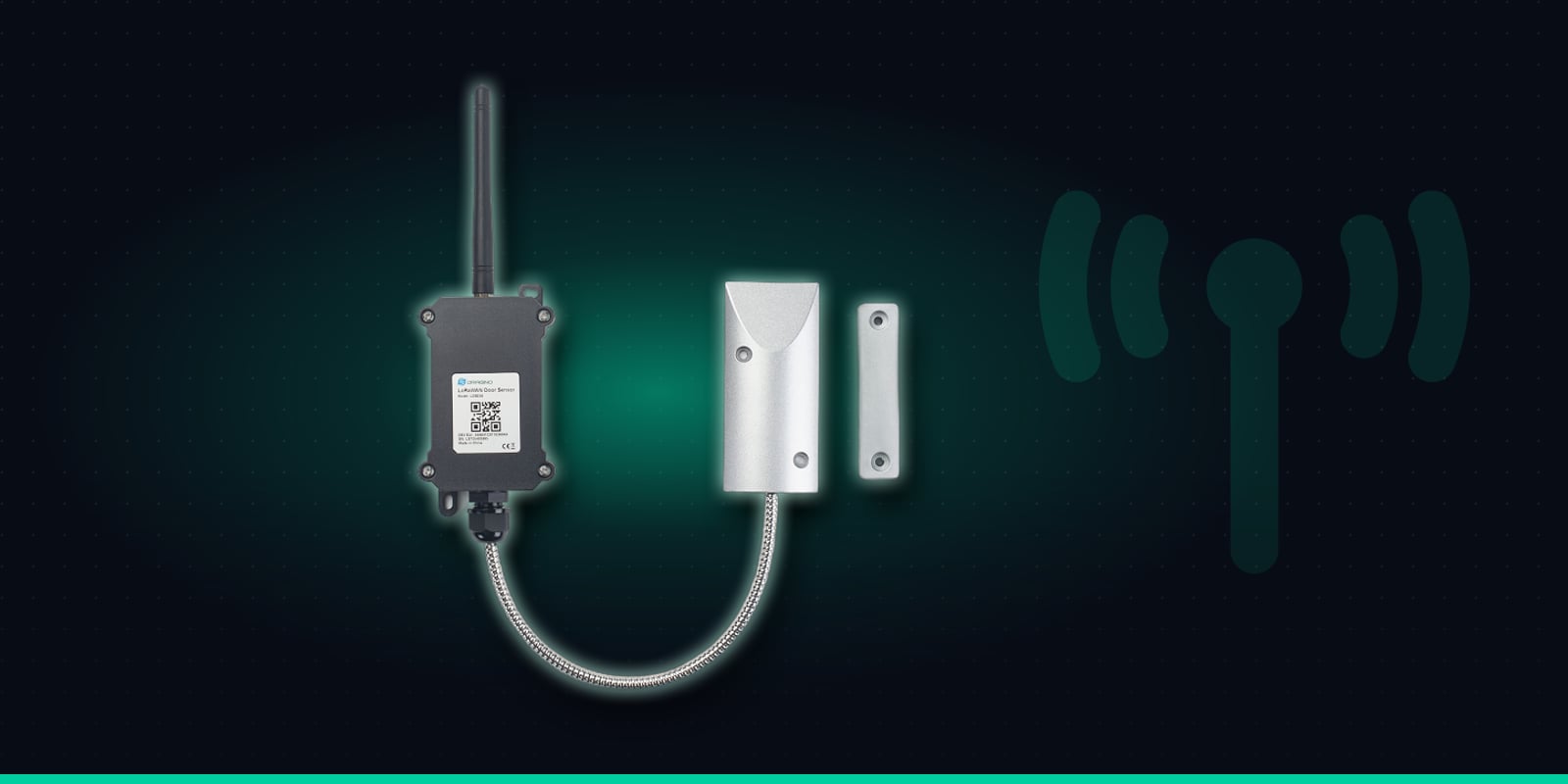
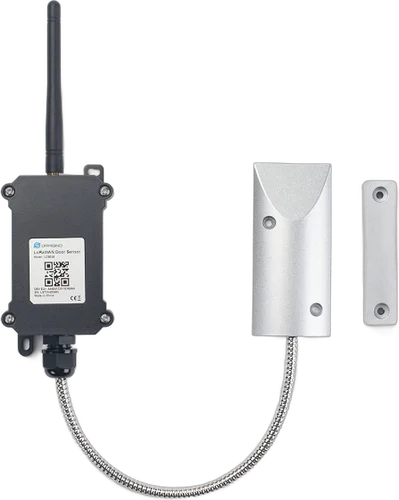
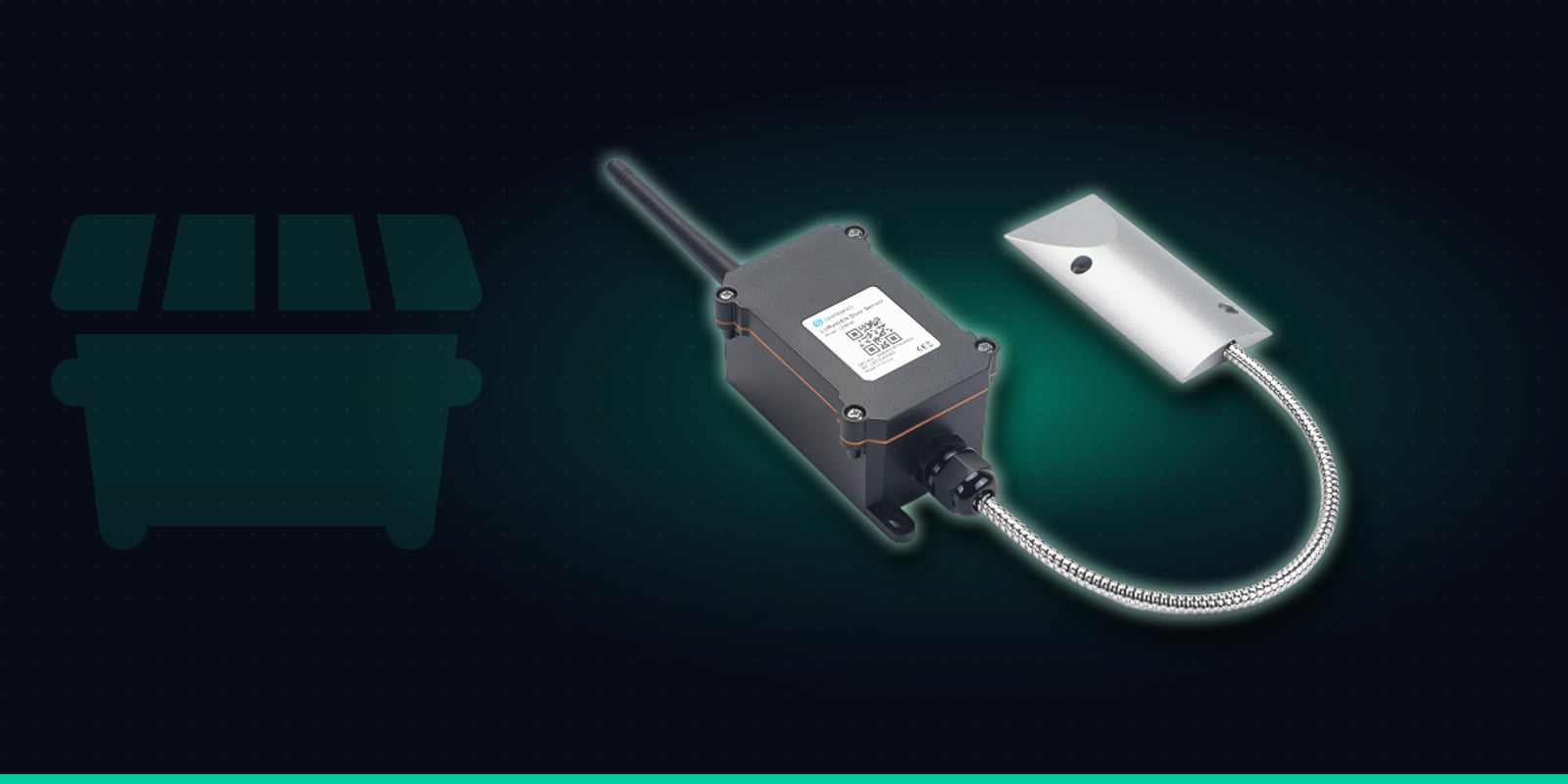
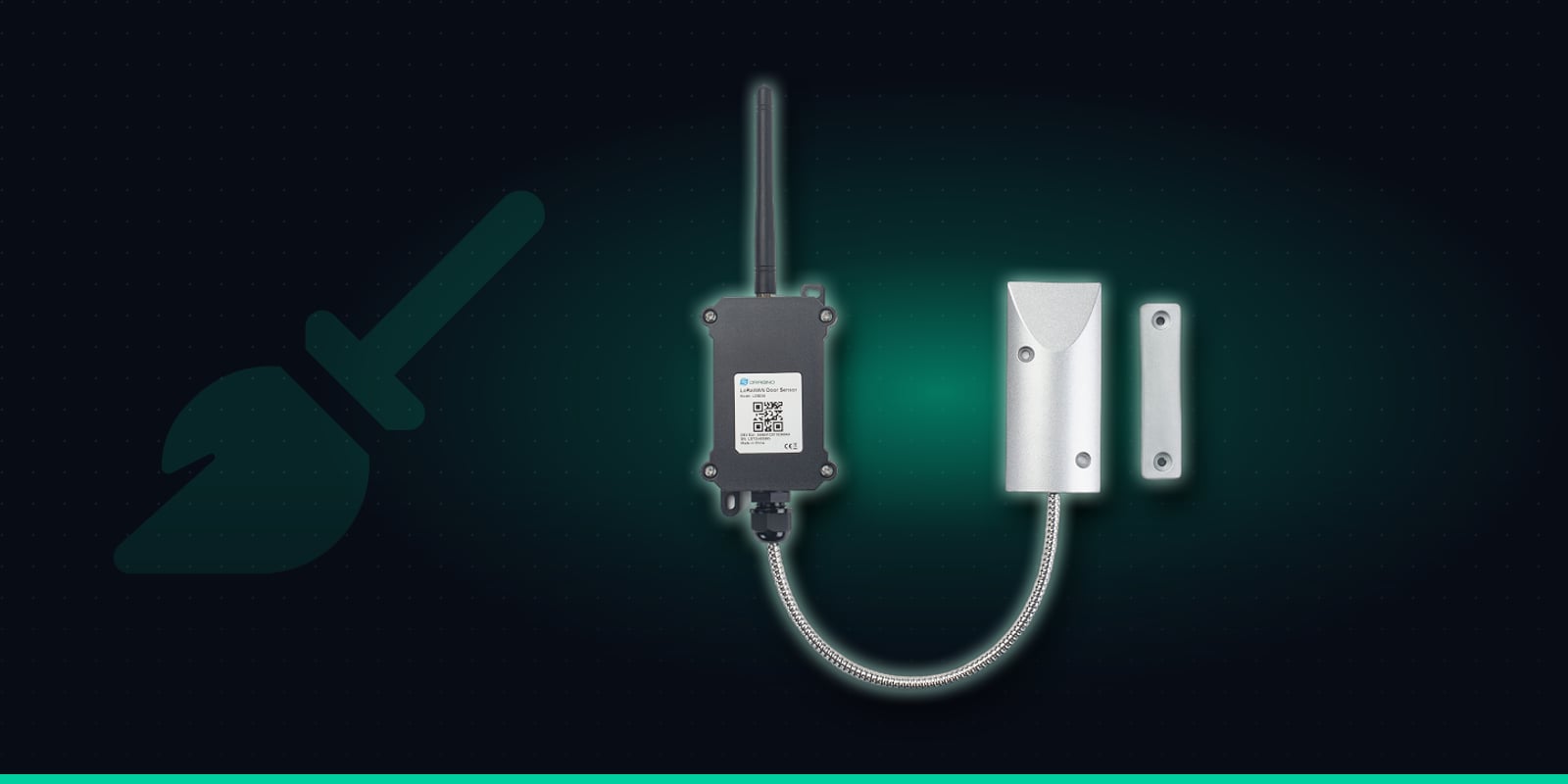
The LDS03A is an outdoor LoRaWAN open/close sensor. A weatherproof enclosure holds the battery, radio and antenna, and an armoured, steel-sheathed cable runs to a heavy-duty magnetic contact. A separate magnet fixes to the moving door or lid. The contact works across a gap of about 30-45mm on iron and steel doors (about 10-30mm on wooden ones), which suits the steel doors common on street cabinets, and the sensor is rated from -40°C to +85°C, so it copes with winter outdoors and warm summer days in an enclosed cabinet. It reports every opening and closing as it happens, which is exactly what you want for a door that should almost never move.
Magnetic contact
Heavy-duty contact on an armoured cable. Works across a 10-30mm gap on wooden doors and 30-45mm on steel.
Reports every opening
Sends each open and close as it happens, plus a status check every 2 hours.
Open-too-long alarm
Raises an alarm if a door stays open past a time you set.
Counts & durations
Keeps a running total of openings and how long the last one lasted.
Built for outdoors
Weatherproof enclosure, rated from -40 to +85°C.
Up to 10-year battery
8500mAh battery. Life depends on how often the door is used.
Specifications from Dragino's LDS03A documentation.
Know the Moment a Cabinet Is Opened
Many cabinets have no way of telling anyone that their door has been opened. Some have a door switch wired into the equipment inside, but that only helps if the equipment is powered, connected and configured to report it - and many hatches, kiosks and older cabinets have nothing at all. The LDS03A sends an uplink the moment the door opens and again when it closes, so Trackpac can alert you within seconds, subject to LoRaWAN coverage at the site.
Because it runs on its own battery and its own radio link, it doesn't care whether the cabinet's supply or backhaul is up. That independence matters: if a cabinet has been interfered with, its power or connectivity may be affected too, and that's exactly when you want the door sensor still reporting. If LoRaWAN coverage drops, the sensor keeps a log of events and sends them once the network is back, and the status report every 2 hours shows on the dashboard that it's still alive.
Proof of Maintenance Visits
Every report from the LDS03A includes the door state, a running total of openings and how long the last opening lasted. Trackpac stores this per cabinet, so the history shows each time a door was opened and how long it stayed open. It records when and how long - not who - but set against your job sheets or permits, that's usually what you need.
Check attendance against job sheets
A visit booked for Tuesday should show up as an opening on Tuesday. If the job sheet says a cabinet was serviced but the door never opened, you have a clear question to ask.
See how long work took
The duration of each opening gives a rough picture of time on site. A two-minute opening for a job quoted at two hours stands out, and so does a routine check that kept the door open all afternoon.
Spot openings nobody booked
An opening with no matching work order is worth investigating, whether it was an unplanned call-out that wasn't logged or someone who had no business being in the cabinet.
Read-only links for contractors
Share a read-only dashboard link with a maintenance contractor so they can see the same record you do, without being able to change sensors or alert rules.
Doors Left Open After a Visit
A common cabinet problem isn't a break-in at all - it's a door that wasn't shut properly when the job finished. An unsecured cabinet invites interference, lets weather in and can sit unnoticed until the next visit. The LDS03A has an open-too-long alarm built in: set a time that comfortably covers a normal job, and if the door is still open past it, the sensor raises an alarm and Trackpac sends an alert. When the door finally closes, a "resolved" message confirms it, so whoever was alerted knows the cabinet is secure again. The alarm time can be changed remotely over LoRaWAN, so you can tune it without another trip to site.
Across Networks, Utilities & Street Furniture
The same sensor works wherever there's a door, lid or hatch that should stay shut most of the time. One LDS03A monitors one door, so double-door cabinets typically need a sensor on each leaf that can be opened independently.
Telecoms & network cabinets
Street cabinets, equipment kiosks and the doors to small equipment rooms, where unexpected access can mean interference, damage or missing equipment.
Water & wastewater hatches
On pump-station lids and access covers, fit the magnet to the lid and the contact to the frame, so lifting the cover registers as an opening just like a door.
EV charging & street furniture
Service panels on chargers, information kiosks and other street furniture, where you want a record of every time a panel is opened between scheduled maintenance.
Plant rooms & estate doors
Facilities teams can cover plant-room doors, roof-access hatches and meter cupboards across an estate, tagged by building or site so each manager sees their own.
Installing the LDS03A on a Cabinet
Installation needs no wiring into the cabinet and no connection to its supply. Plan to spend a few minutes at each site checking signal before you move on.
1
Order "Trackpac Ready", scan and name it
Buy the LDS03A from Hexaspot with the Trackpac Ready option, scan its QR code in the Trackpac app and name it after the cabinet's own reference, such as "Cab 0412 - North route", so alerts and job sheets match up. Tag it by region, route or asset type.
2
Fit the contact to the frame and the magnet to the door
Mount the magnetic contact on the fixed frame and the magnet on the opening door or lid, lined up so they sit within about 30-45mm of each other when closed on a steel door. Route the armoured cable where it won't be trapped by the door or snagged by tools during maintenance.
3
Place the enclosure with the radio in mind
The enclosure can sit inside the cabinet or be wall-mounted alongside it. A closed steel cabinet weakens radio signals considerably, so inside is neater and better protected but may not reach the network; mounting it outside or near a non-metal panel usually reports more reliably. Work out which suits each cabinet type before a large rollout.
4
Open, close and confirm before you leave
With the cabinet door shut, open and close it and check that both events appear on the Trackpac dashboard or mobile app. If they don't, move the enclosure and try again - it's far cheaper to fix now than on a return visit.
Alert Rules for a Cabinet Estate
Trackpac can alert on door opened or closed, the open-too-long alarm and battery level, by email, SMS or push notification. Rules can target tags, so every cabinet tagged "North route" shares the same rules, and new sensors added to the tag pick them up automatically. A few rules cover most estates:
Opened out of hours
Use a time window so openings during normal working hours are simply logged, while an opening at night or at the weekend sends an immediate SMS to the on-call contact.
Open too long: left unsecured
Alert on the open-too-long alarm at any time of day, with the "resolved" message confirming when the door has been closed again.
Opened: notify the team
For sensitive cabinets, alert on every opening. A trigger-lock interval stops a busy maintenance visit, with the door opened several times, from sending a stream of messages.
Low battery: plan a swap
With a battery rated for years, a low-battery rule makes sure a sensor doesn't quietly go silent, and the swap can be added to the next planned visit.
Feeding Your NOC, Ticketing & Work-Order Systems
Webhooks forward door events from Trackpac to the systems your teams already work in - a network operations centre, a ticketing tool or a work-order system - so an out-of-hours opening can raise a ticket and a completed visit can be matched to its job. Trackpac doesn't dispatch anyone itself; it gives your people and systems the event to act on.
Reports and exports pull the opening history for a region or route into a spreadsheet for contractor reviews or audits. Cabinets are often in places where coverage varies, so read what to check about LoRaWAN coverage before planning a rollout, see Trackpac pricing for the subscription, and our LoRaWAN glossary if any of the terms are new. If your estate also includes remote huts and stores, see remote outbuilding door alerts.
Get Started
Know when a cabinet is opened
One LDS03A per cabinet door or hatch, on its own battery and LoRaWAN link - alerting you to openings and doors left open, and logging every visit on a Trackpac dashboard.
€59.92 ex VAT from Hexaspot, our sister company in the Connect IoT group. VAT is added at checkout based on your country.
Choose the Trackpac Ready option and the sensor arrives pre-registered on Trackpac - scan the QR code and it's live on your dashboard.
Trackpac covers connectivity, dashboard, alerts and data storage from £15 / €18 per sensor per year.
Will the LDS03A work on a steel roadside cabinet?↓
Yes. Dragino quotes a working gap between the contact and the magnet of about 30-45mm on iron and steel doors, and about 10-30mm on wooden doors, so steel cabinet doors, kiosks and access hatches are a good fit. The bigger question on a metal cabinet is radio: steel weakens LoRaWAN signals, so think about where the enclosure and its antenna sit, and confirm the sensor is reporting on the Trackpac dashboard before you leave site.
Does the sensor need power from the cabinet?↓
No. The LDS03A runs on its own 8500mAh battery, rated for up to 10 years, so there's no need to tap into the cabinet's supply or arrange any wiring. Battery life depends on how many reports it sends: a cabinet opened a few times a month uses far less than a busy door. It also uses LoRaWAN rather than the cabinet's own communications, so it keeps reporting door activity even if the equipment inside is down or disconnected.
Can Trackpac tell me which contractor opened a cabinet?↓
No. The LDS03A detects when the door opens and closes, and Trackpac records when each opening happened and how long it lasted. It doesn't identify who opened it. What it gives you is a timestamped record per cabinet that you can compare with job sheets, permits or visit logs, so you can see whether a scheduled visit happened, roughly how long it took, and whether a cabinet was opened when no work was booked.
How quickly will I hear about a cabinet being opened?↓
Usually within seconds. By default the LDS03A sends a report as soon as the door opens and again when it closes, plus a status report every 2 hours, so Trackpac can alert you by email, SMS or push almost straight away - subject to LoRaWAN coverage at the site. If coverage drops, the sensor stores events and sends them once the network is back, so the history still fills in.
Where can I buy the LDS03A for use with Trackpac?↓
The Dragino LDS03A is sold by Hexaspot, Trackpac's sister company in the Connect IoT group, for €59.92 ex VAT, with VAT added at checkout based on your country. Choose the 'Trackpac Ready' option and the sensor is pre-registered on Trackpac, so you only need to scan its QR code. A Trackpac subscription from £15 / €18 per sensor per year covers connectivity, the dashboard, alerts and data storage.