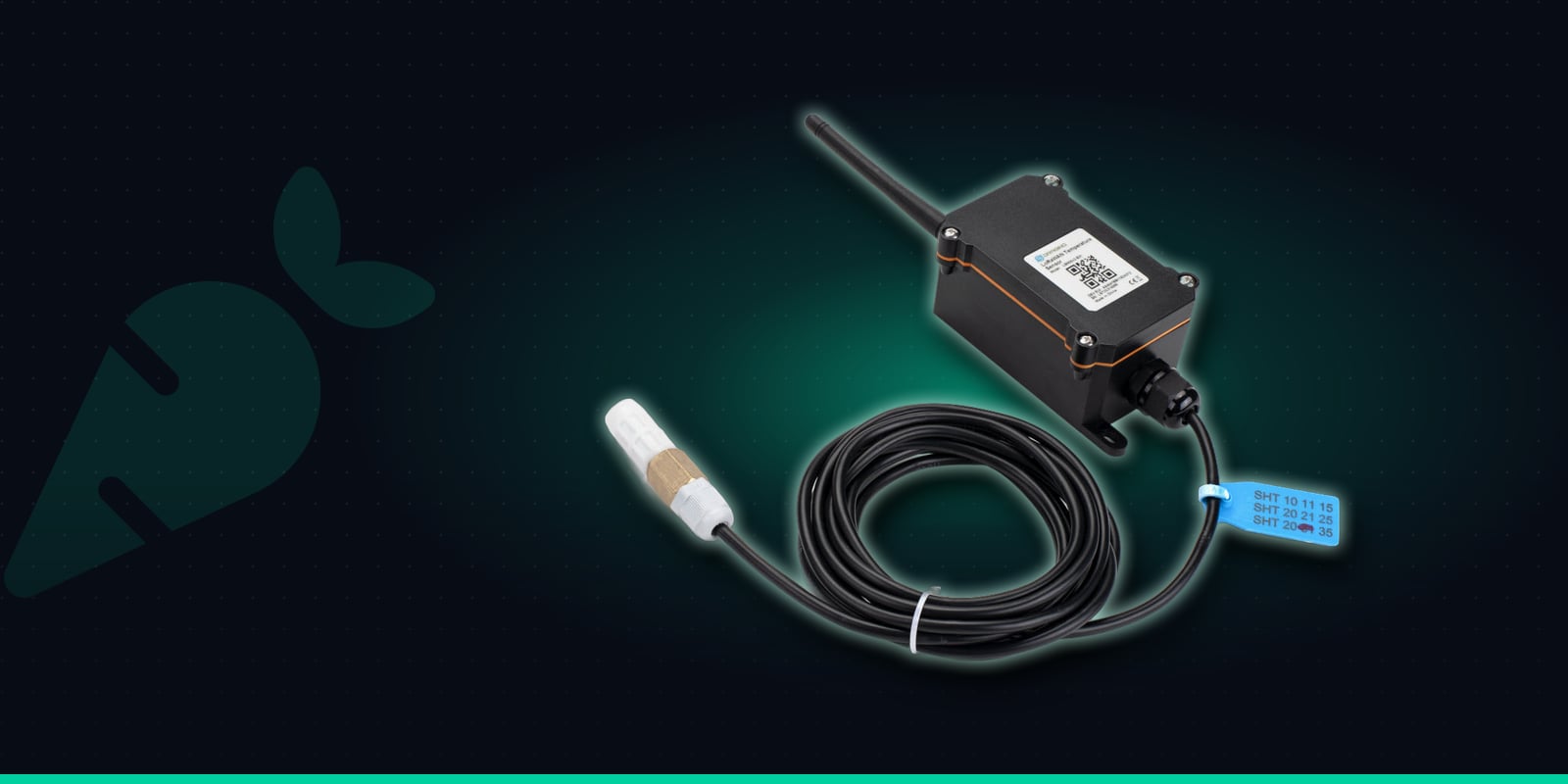
Compost & Digestate Temperature Monitoring with the LSN50v2-D20
22nd October 2026•By Neil Skoglund
LSN50v2-D20 Use Case
A compost heap tells you how it's doing through its temperature. It warms up as the microbes get to work, holds its heat while they're busy, then cools as they run out of food, air or water. The trouble is that most sites only find out by walking round with a long dial thermometer, writing numbers on a clipboard, and hoping nothing changed between visits.
This guide is for green waste sites, farms and estates that compost their own material, community and allotment composting schemes, and anyone running in-vessel bays or an anaerobic digester. It shows how a Dragino LSN50v2-D20 probe sensor, with its stainless-steel probe in the core of a heap and its battery unit on a post at the edge, sends readings to Trackpac around the clock: so you can see each heating cycle, know when to turn, spot heaps that stall and keep time-at-temperature records without the clipboard. For the wider case for temperature sensors, see our overview of real-time temperature monitoring.
What Heap Temperature Tells You
A well-built heap or windrow follows a familiar curve. Within days of being formed it heats up, often well past 50°C in the core, stays hot for a while, then slowly falls. When it drops, it's usually a sign that the microbes have used up the oxygen or moisture in the middle. Turning the heap, or adding water or fresh material, often brings the temperature back up for another cycle. Composters have used this rule of thumb for generations; the hard part is seeing the curve clearly.
A thermometer reading once a day, or once a week on a small site, only gives you dots. You can miss the peak, turn a heap that was still working, or leave one that went cold days ago. A probe reporting every 20 minutes gives you the whole line, so you can turn on the evidence rather than the calendar and see straight away whether a turn did any good.
The same data answers a second question: how long did this batch spend above a given temperature? Compost quality schemes typically ask for evidence that material reached and held a target temperature for a set period, and the requirements vary from scheme to scheme. A continuous, timestamped record is far easier to show than pages of hand-written readings.
Why the LSN50v2-D20 Suits Compost & Digestate
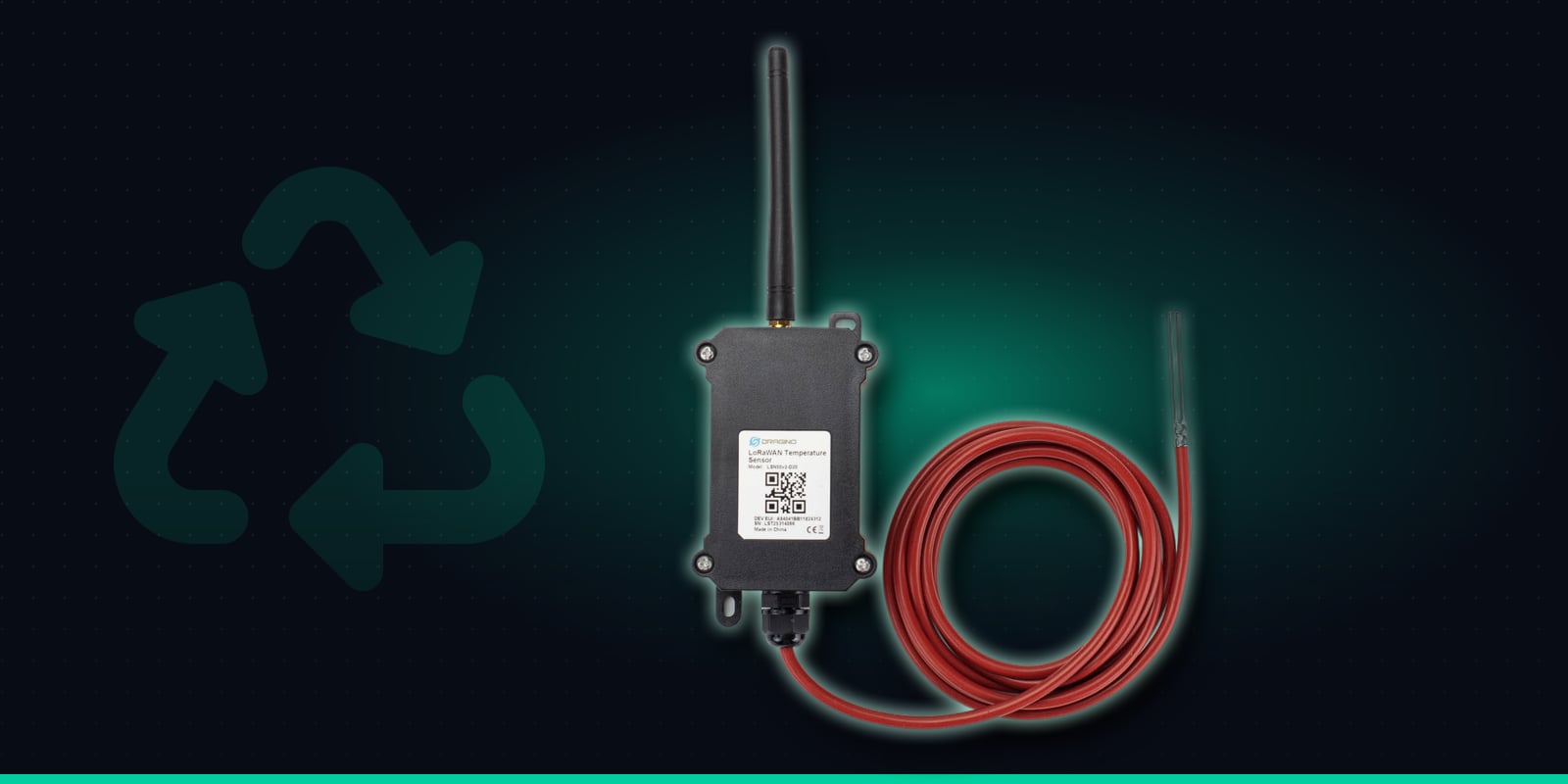
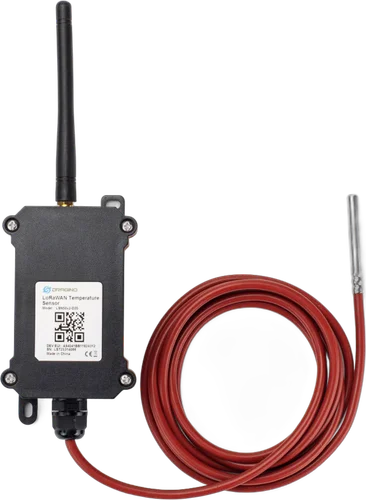
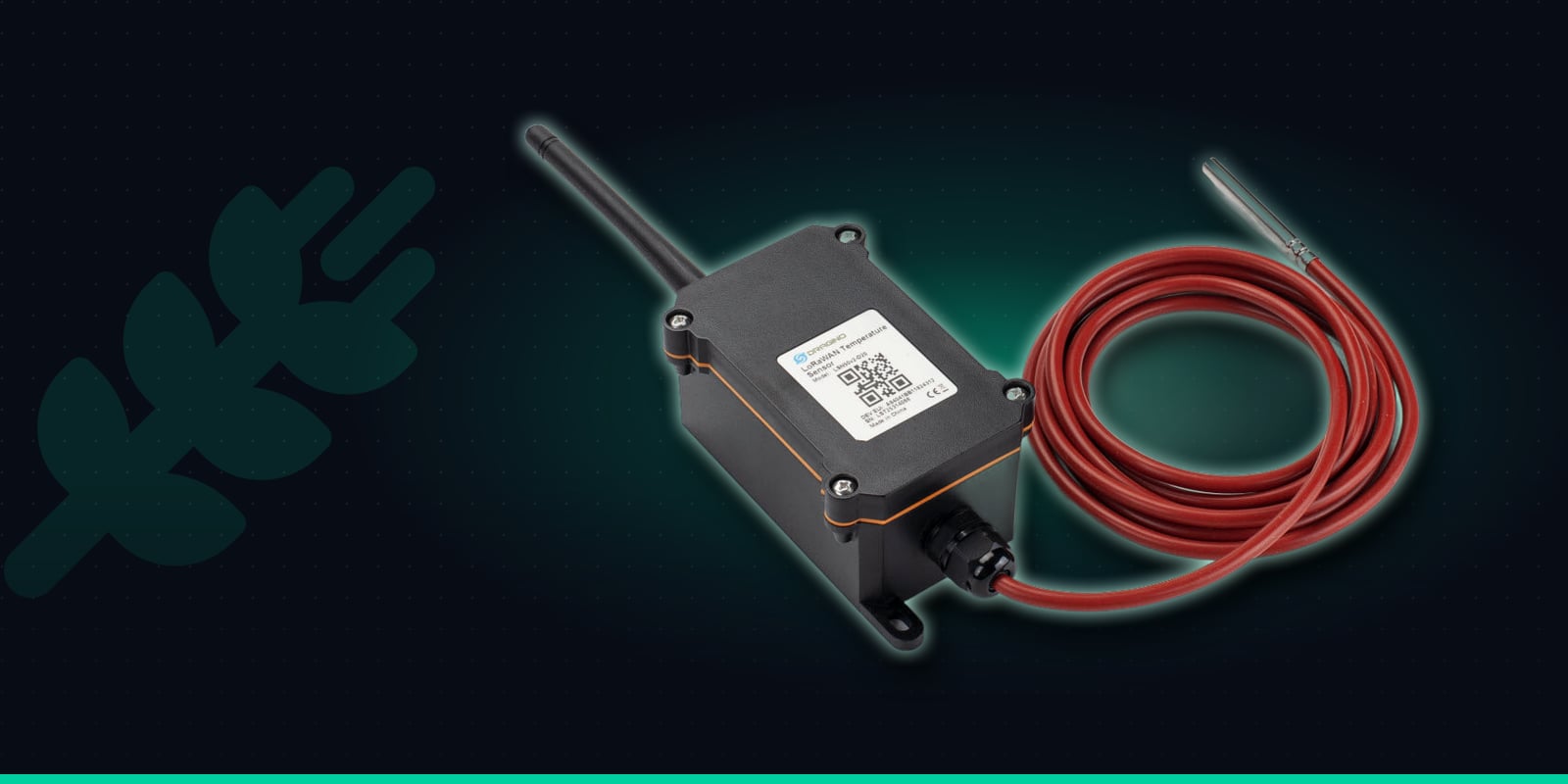
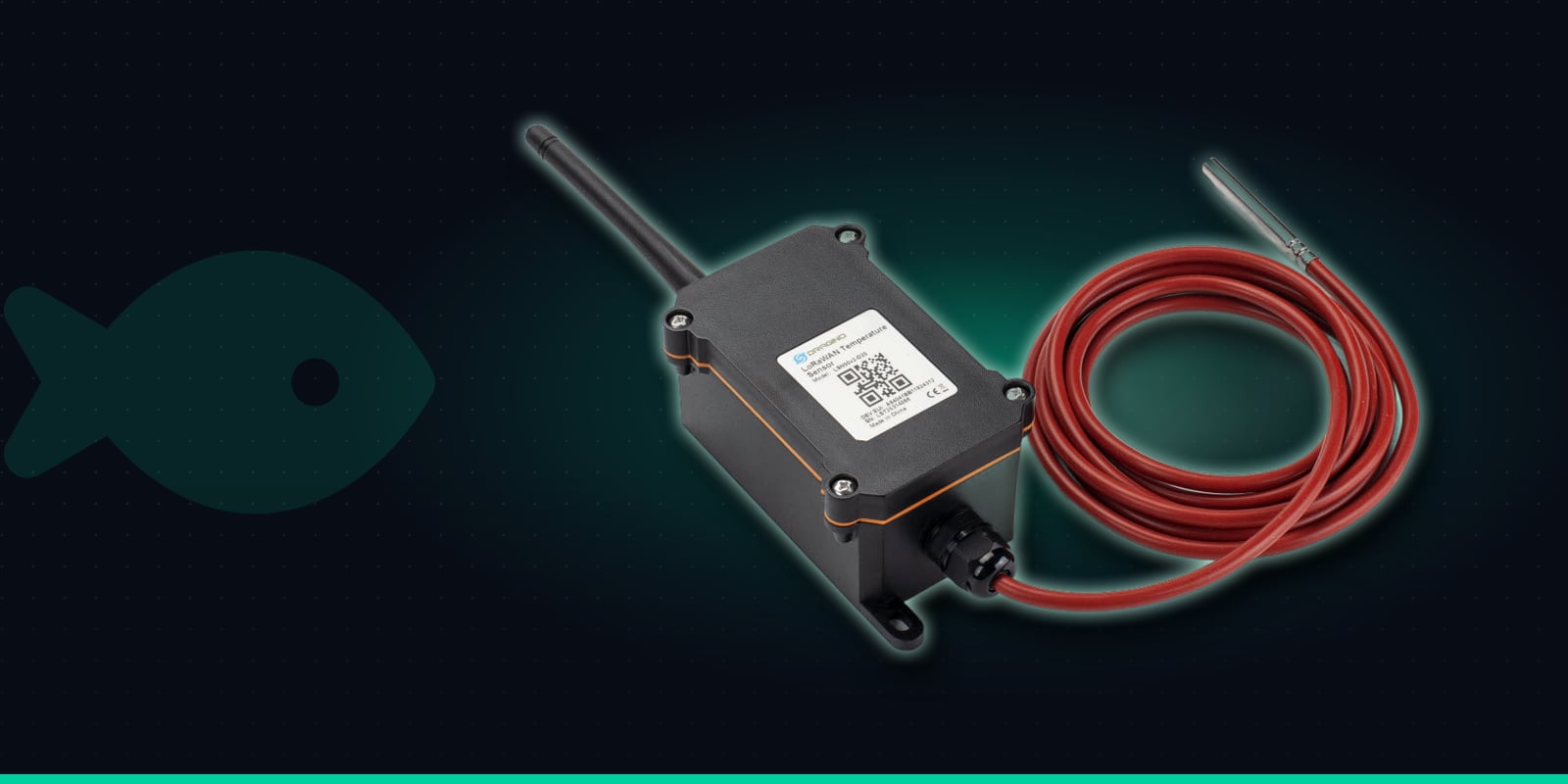
The LSN50v2-D20 splits the job in two. A rugged outdoor enclosure holds the battery, radio and external antenna. A single DS18B20 temperature probe, sealed inside a stainless-steel tube, sits on the end of a 2 metre silicone cable. The probe is waterproof and made to be pushed into material, so it can live in the damp, warm core of a heap while the enclosure stays outside it on a post or stake.
The probe reads up to 125°C, well above anything a compost heap reaches, with ±0.5°C typical accuracy. The unit runs on an 8500mAh battery rated for up to 10 years depending on reporting interval, and talks over LoRaWAN, so there's no mains cable across the yard, no Wi-Fi and no SIM. LoRaWAN's long range means it can usually reach a gateway from the far end of a site or a field away from the farm buildings. It measures temperature only, with one probe per sensor.
Waterproof probe
Stainless-steel DS18B20 probe on a 2m silicone cable. Reads -55 to 125°C.
±0.5°C accuracy
Typical accuracy of ±0.5°C (±2°C worst case across the full range).
High/low alarm
Checks the probe every minute and reports straight away when it goes outside the limits you set.
Regular readings
Reports every 20 minutes by default, adjustable remotely.
8500mAh battery
Rated for up to 10 years, depending on how often it reports.
Outdoor enclosure
Rugged main unit rated -40 to 85°C, with the probe placed where the reading matters.
Specifications from Dragino's LSN50v2-D20 documentation.
Where to Use It
Each sensor has one probe, so it watches one heap, bay or vessel. Most sites start with one per active batch:
Green waste windrows
Long rows of shredded garden and park waste, turned by machine. One probe in the core of each windrow, with the unit on a post at the end of the row and out of the loader's path.
Farm & estate heaps
Manure, bedding, hedge cuttings and garden waste composted on the farm or estate, often in a corner of a field where nobody checks every day.
Community & garden bays
Allotment, school and community schemes with a row of timber bays. A shared dashboard lets every volunteer see which bay is cooking and which needs turning.
In-vessel bays & digesters
Enclosed bays, tunnels, anaerobic digesters and digestate stores, where an independent reading backs up the plant's own instruments.
Installing a Probe in a Heap or Windrow
The aim is simple: probe tip in the hottest part of the heap, enclosure safely outside it, and nothing in the way when the heap is turned.
1
Order pre-onboarded, scan and name it
Buy the LSN50v2-D20 from Hexaspot with the Pre-onboard to Trackpac option, scan its QR code in the Trackpac app and give it a clear name such as "Windrow 3 - core". Tag it by site or by batch so it picks up the right alert rules.
2
Make a path for the probe
In loose material you can push the probe straight in. In dense or woody material, drive in a length of pipe or a sleeve first and feed the probe down it, so you never force the probe by its cable. Aim for the core, roughly the middle of the heap's cross section, rather than the cooler outer layer.
3
Enclosure on a post at the edge
The cable is 2 metres, so fix the enclosure to a post or stake beside the heap, above the ground and away from where loaders, turners and tractors run. Keep the enclosure out of the heap itself and route the cable so it can't be snagged.
4
Pull it out before turning
Make removing the probe part of the turning routine, then put it back in the same spot afterwards. The dip and recovery on the graph also marks when each turn happened.
5
Check the first readings
Watch the dashboard for the first few reports. If a probe is damaged or disconnected, the sensor reports an obviously invalid reading, so a strange number usually means a cable to check, not a heap on the move.
Alert Rules That Match the Composting Cycle
Trackpac rules can alert when the temperature goes above or below a threshold and when the battery runs low, by email, SMS or push through the Trackpac mobile app. Rules can target a tag, so every new probe on a site inherits them. A few rules cover most operations:
Cooling down: time to turn
A below-threshold rule set under your working range tells you when a heap has dropped off, so you can turn it, water it or add material while it's still worth doing.
Above your target band
Many operators aim to keep heaps within a working band. An above-threshold rule flags a heap running hotter than you want, which is often a cue to turn or water it.
No message flood
Heaps change slowly. A trigger-lock interval stops a heap that stays cool for a day from sending a text every 20 minutes, and a "resolved" message confirms when it's back in range.
Low battery: plan a swap
The battery is rated for years, and a low-battery alert gives you plenty of notice to replace it between batches.
Time windows let you send alerts only during working hours, or route them to whoever is on site at the weekend. If you want faster warning than the regular 20-minute reports, the sensor also has its own high and low alarm: thresholds set on the device itself, checked every minute, with an alarm sent straight away when the probe goes outside them. Hexaspot or Trackpac support can help you configure it. Trackpac sends the alert; it doesn't turn heaps, run aeration or switch anything on.
Spotting Heaps That Stall
Tag probes by site and the dashboard shows every heap side by side. A batch that never really heated up, or one that went cold far sooner than its neighbours, stands out at a glance. That usually points to something you can fix: material that's too wet or too dry, too much woody material, or a heap that's been compacted. Comparing the graphs for heaps built the same week helps you learn which recipes and turning schedules work on your site.
Trackpac doesn't raise rate-of-change alerts or compare two probes automatically, so stalls are something you read from the graphs or the exported data. In practice a quick look at the dashboard each morning replaces a walk round every heap with a thermometer.
Digesters & Digestate Storage
Anaerobic digestion works differently from open composting. A digester usually runs in a steady temperature band set by its process and design, and the plant's own control system keeps it there. An LSN50v2-D20 adds an independent reading that reaches your phone, whether you're on the farm or not.
Depending on the installation, the probe can go in a spare sensor pocket or be strapped to the tank wall under the insulation, with the enclosure mounted nearby within 2 metres. The same approach works for digestate stores and pipework where you want to follow temperature over time. Set high and low rules around your normal band and you'll hear when a reading drifts. Always follow the plant operator's or manufacturer's guidance on where sensors can be fitted, and treat the D20 as a monitoring check alongside, not instead of, the plant's instruments.
Records Without the Clipboard
Time-at-temperature exports
Export each batch's readings as CSV and work out how long it spent above your target, ready to file with your batch records.
Read-only links for auditors
Share a read-only dashboard link with an auditor, a customer or a landowner so they can see the graphs without changing anything.
Batch history in one place
Every reading is timestamped and kept, so you can look back at how last spring's windrows behaved compared with this year's.
Alerts into your other systems
Webhooks can forward alerts to a site log, task list or maintenance system, so a cooling heap becomes a job for the next shift.
One LSN50v2-D20 per heap, bay or vessel, with the probe in the core and the battery unit on a post at the edge - sending readings and alerts to Trackpac with no mains, no Wi-Fi and no clipboard rounds.
€55.37 ex VAT from Hexaspot, our sister company in the Connect IoT group. VAT is added at checkout based on your country.
Choose Pre-onboard to Trackpac and the sensor arrives registered on Trackpac - scan the QR code and it's live on your dashboard.
Trackpac covers connectivity, dashboard, alerts and data storage from £15 / €18 per sensor per year.
Can the LSN50v2-D20 probe handle compost heap temperatures?↓
Yes. The DS18B20 probe reads from -55°C to 125°C, which comfortably covers the temperatures an active compost heap or windrow reaches. Accuracy is ±0.5°C typical (±2°C maximum), which is plenty for following a heating cycle. Only the stainless-steel probe and its 2m silicone cable go into the heap; the main unit sits outside it on a post or stake.
How do I get the probe into the core of a windrow or heap?↓
In loose material you can push the probe in by hand. In dense or woody material, drive a length of pipe or a sleeve into the heap first, then feed the probe down it so the tip sits in the core and the cable isn't dragged or kinked. The cable is 2 metres long, so fix the main unit to a post at the edge of the heap within reach. Pull the probe out before the heap is turned or moved, and put it back afterwards.
Can Trackpac help with the temperature records a compost quality scheme asks for?↓
Trackpac stores every reading with a timestamp, shows it as a graph and lets you export it as CSV, so you have a continuous record of how hot each heap or bay got and for how long. Compost quality schemes typically ask for evidence that material reached and held a target temperature for a set time, but the exact requirements vary, so check your own scheme's rules. Trackpac gives you the data and the export; it's up to you to check it against your scheme.
Can I use the LSN50v2-D20 on an anaerobic digester?↓
It can give you an independent temperature reading from a digester or digestate store, for example with the probe in a spare sensor pocket or strapped to the tank wall under the insulation. Digesters usually run in a steady temperature band, so a reading drifting out of that band is worth knowing about. It's a monitoring and alerting tool, not a control system: Trackpac doesn't switch heating or pumps, and it doesn't replace the plant's own instruments. Always follow the operator's or manufacturer's guidance on where sensors can be fitted.
Where can I buy the LSN50v2-D20 for use with Trackpac?↓
The Dragino LSN50v2-D20 is sold by Hexaspot, Trackpac's sister company in the Connect IoT group, for €55.37 ex VAT, with VAT added at checkout based on your country. Choose 'Pre-onboard to Trackpac' when ordering and Hexaspot registers it on Trackpac before dispatch, so you only need to scan its QR code. A Trackpac subscription from £15 / €18 per sensor per year covers connectivity, the dashboard, alerts and data storage.