Fish Farm & Pond Water Temperature Monitoring with the LSN50v2-D20
22nd October 2026•By Neil Skoglund
LSN50v2-D20 Use Case
Fish can't move out of the water they're in. When a tank, raceway or pond warms up through a hot spell or drops sharply in a cold snap, the stock feels every degree of it, and whether they feed, grow or struggle follows. Yet on many sites the water temperature is checked once a day with a handheld thermometer, if anyone gets down to the bank at all.
This guide is for fish farmers, hatchery managers, fishery and lake owners, koi keepers and aquaponics growers. It shows how a Dragino LSN50v2-D20 with its waterproof probe in the water, reporting into Trackpac, gives you the temperature of every tank and pond around the clock, alerts you when it goes past your hot or cold limits, and builds the history you need for feeding decisions and records. For the wider business case, see our overview of real-time temperature monitoring.
Why Water Temperature Matters to Your Stock
Fish are cold-blooded, so water temperature sets the pace of almost everything they do. As a rule of thumb, appetite and growth rise as water warms towards the range a species prefers and fall away as it cools, which is why many farmers and keepers adjust how much and how often they feed through the seasons. Cool-water fish such as trout and warmer-water fish such as carp and koi have very different comfort zones, so your limits should follow your species and your own experience.
Hot spells are the classic risk period. Warm water generally holds less oxygen, while the fish's own demand for it rises, so a run of hot days in a stocked pond or a well-loaded tank can stress fish quickly. Sudden changes are a problem too: a sharp drop overnight, or a big swing when water is topped up or a flow changes, can stress stock even when the final temperature looks acceptable on paper.
None of this is new to anyone who keeps fish. The difficulty is seeing it in time, at every tank and pond, including the ones a drive away or at the far end of a lake. A sensor that reports continuously turns a once-a-day spot check into a full record, and turns a hot afternoon you didn't notice into an alert on your phone.
Why the LSN50v2-D20 Suits Tanks & Ponds
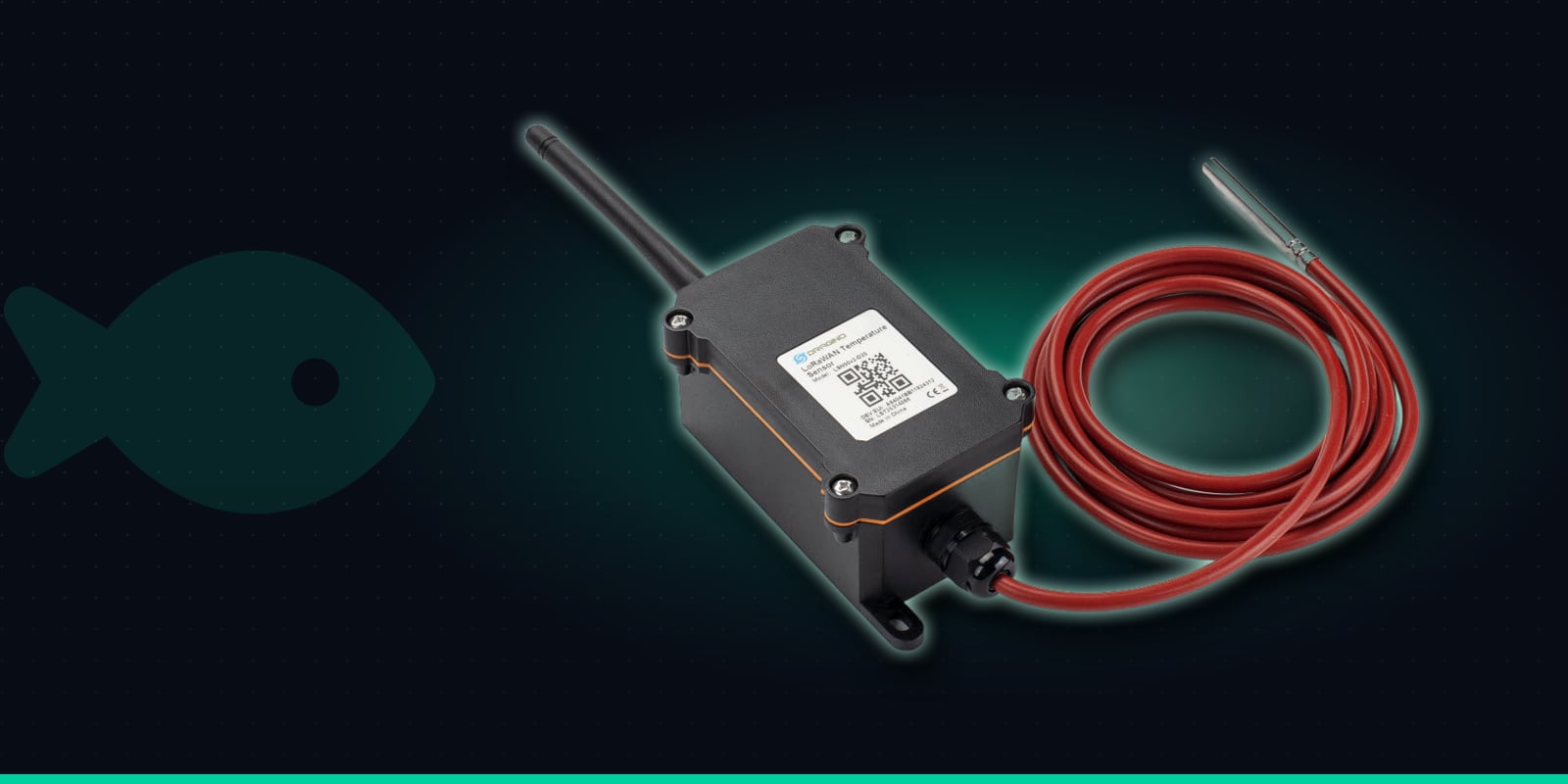
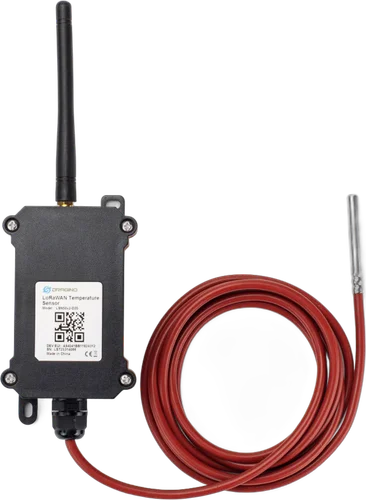
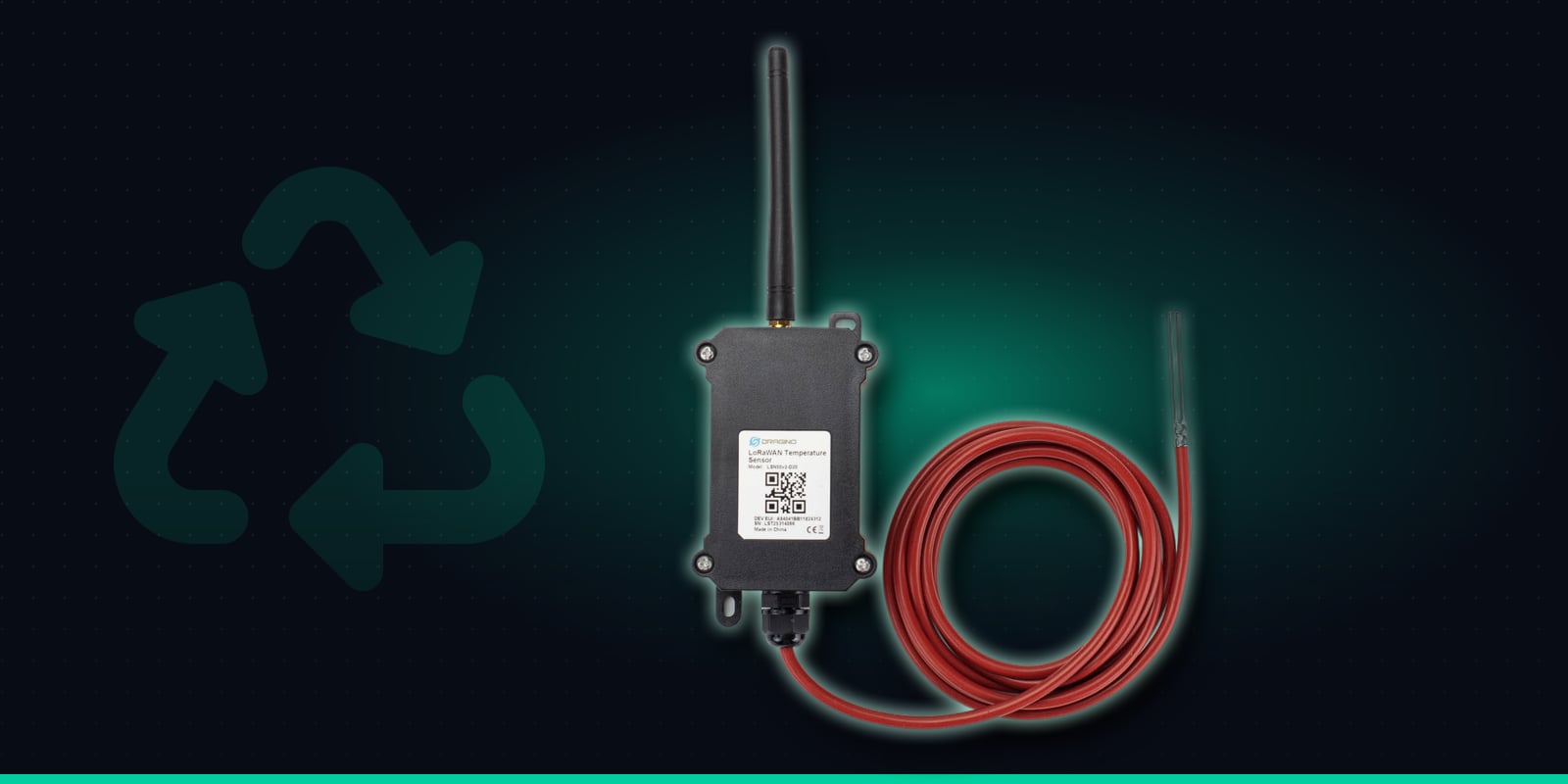
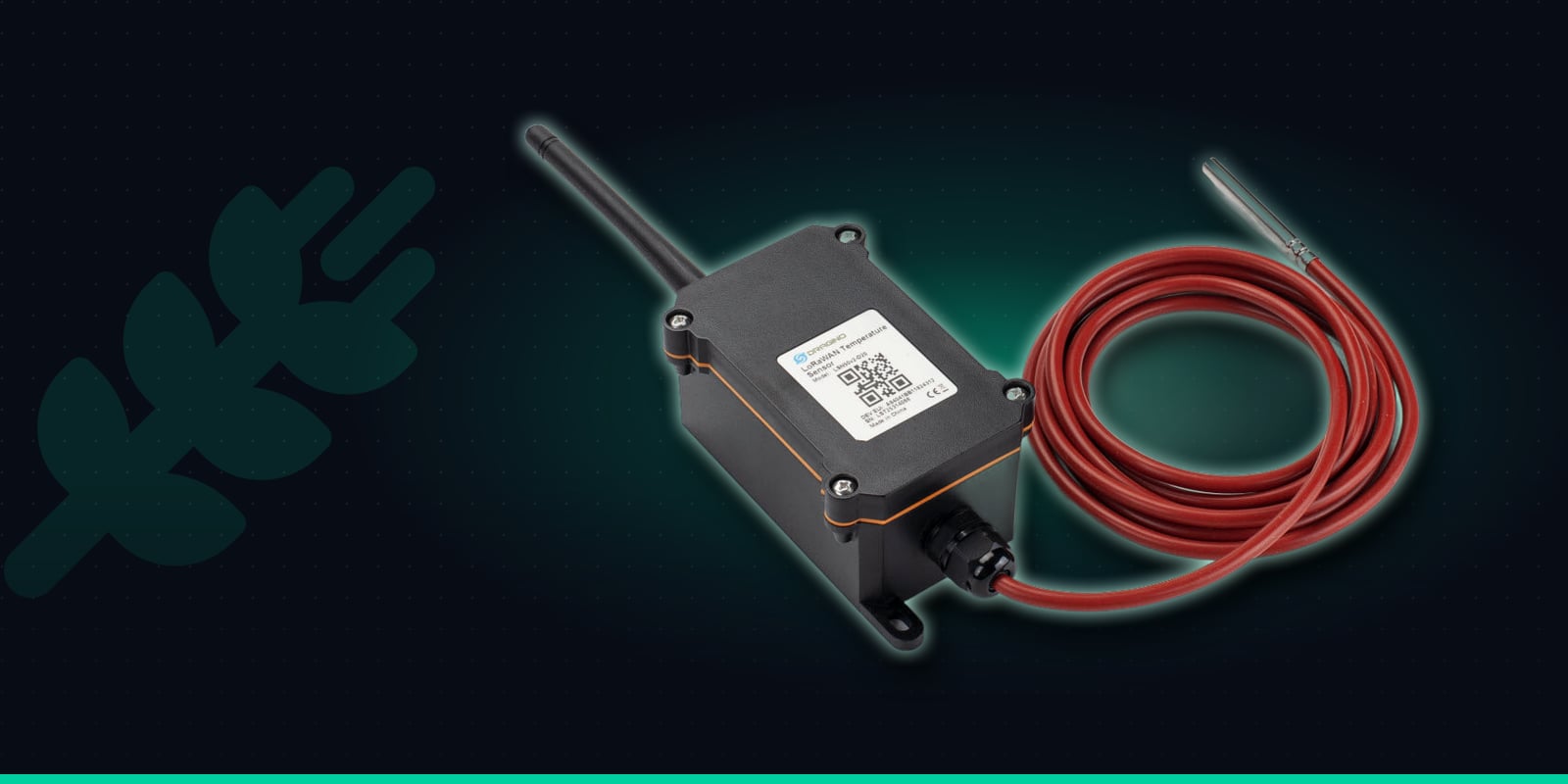
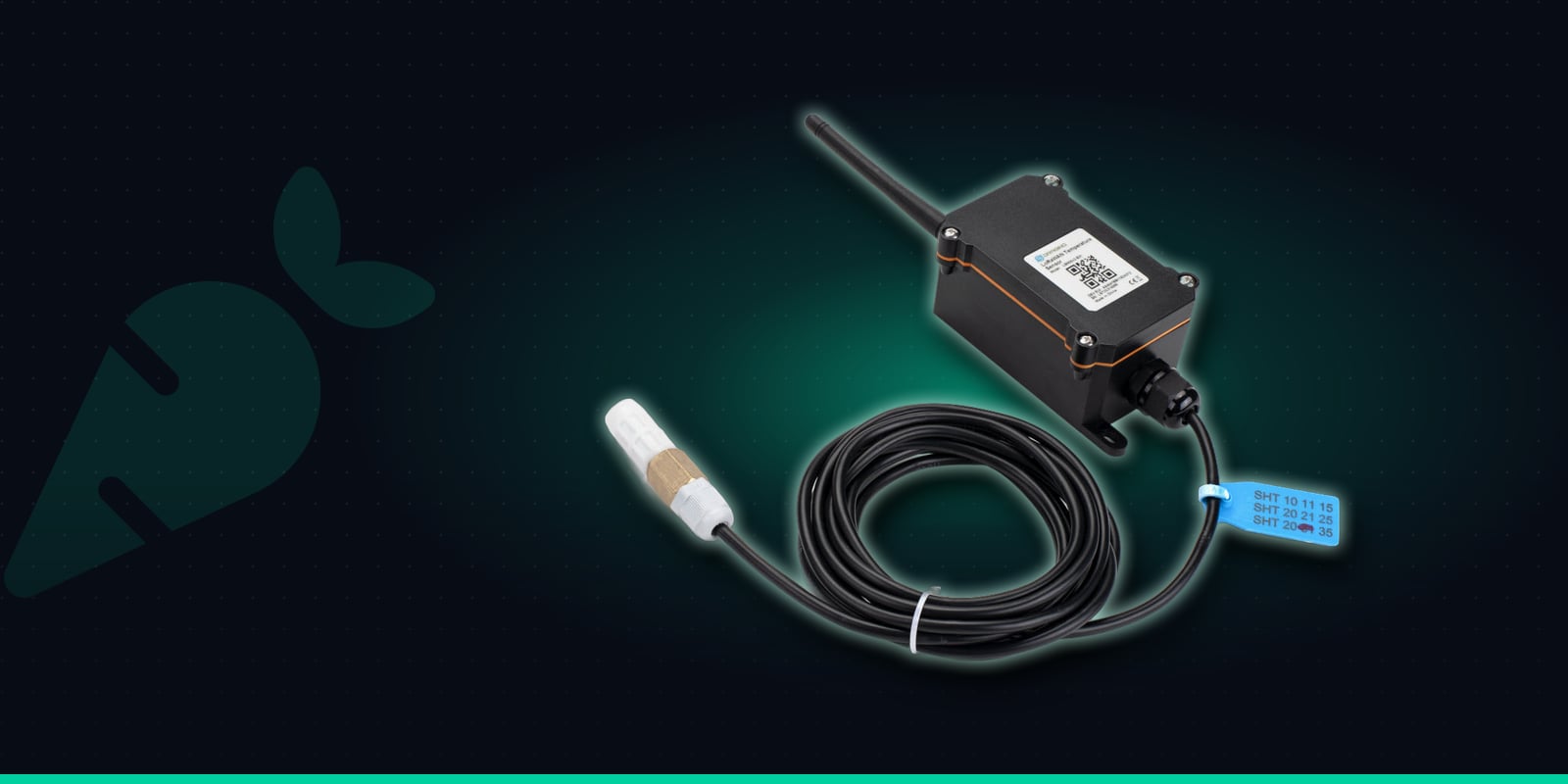
The LSN50v2-D20 splits into two parts. A rugged outdoor enclosure holds the battery, radio and external antenna, and a waterproof stainless-steel temperature probe hangs from it on a 2 metre silicone cable. The probe goes in the water; the enclosure stays dry on a post or the bank above it. The probe reads from -55°C to 125°C with typical accuracy of ±0.5°C, which comfortably covers anything from an iced-over pond to a heated hatchery tank.
For fish sites, three things matter. It runs on an 8500mAh battery rated for up to 10 years depending on reporting interval, so there's no cable to run to the water's edge. It talks over long-range LoRaWAN, so it needs no Wi-Fi or SIM card and can reach a gateway from outlying ponds and raceways. And it measures only temperature, from one probe, so each sensor gives you one clear reading for one body of water.
Waterproof probe
Stainless-steel DS18B20 probe on a 2m silicone cable. Reads -55 to 125°C.
±0.5°C accuracy
Typical accuracy of ±0.5°C (±2°C worst case across the full range).
High/low alarm
Checks the probe every minute and reports straight away when it goes outside the limits you set.
Regular readings
Reports every 20 minutes by default, adjustable remotely.
8500mAh battery
Rated for up to 10 years, depending on how often it reports.
Outdoor enclosure
Rugged main unit rated -40 to 85°C, with the probe placed where the reading matters.
Specifications from Dragino's LSN50v2-D20 documentation.
Where It Fits
Each LSN50v2-D20 has one probe, so it watches one body of water. Use one sensor per tank, raceway or pond you want to track separately:
Fish farms & hatcheries
Trout tanks, raceways and hatchery troughs, where temperature guides feeding rates and where a warm spell or a supply problem puts a lot of stock at risk at once.
Fisheries & stocked lakes
Still waters often sit well away from power and buildings. A sensor on a jetty post or bank stake tells you how the water is doing through a heatwave without a trip out to check.
Koi & ornamental ponds
Valuable fish in a relatively small volume of water, which can warm or cool faster than a large lake. Useful for keepers, dealers' holding ponds and pond maintenance contractors.
Aquaponics
Fish tanks feeding a growing system, often in a polytunnel or greenhouse. Watching water temperature helps keep both the fish and the plants on track.
Installing the LSN50v2-D20 at a Tank or Pond
Fitting a sensor takes a few minutes per tank or pond. The one rule to remember: the probe goes in the water, the enclosure never does.
1
Order pre-onboarded, scan and name it
Buy the LSN50v2-D20 from Hexaspot with the Pre-onboard to Trackpac option, scan its QR code in the Trackpac app and give it a clear name such as "Raceway 3" or "Top lake - north bank". Tag it by site or pond so it picks up the right alert rules.
2
Enclosure on a post, above the water
Fix the main unit to a post, rail, tank wall or bank-side stake, above the highest level the water reaches and within 2 metres of where the probe will hang. Keep the antenna clear of metal covers where you can, and out of the way of nets, mowers and walkways.
3
Probe in the water, weighted and secured
Hang the probe where it reads water the fish actually live in, not a sun-warmed shallow edge or right in front of an inlet. Add a small weight or tie it to a fixed post or rail so it stays at a steady depth and can't be pulled out by fish, birds or current, and keep it clear of bottom silt.
4
Protect the cable
Run the silicone cable along the post or tank edge and clip it in place, so it isn't snagged by nets, cleaning gear or anyone walking the bank.
5
Check the first readings
Compare the first few readings on the dashboard with your usual thermometer, then set your alert limits. If you want the device's own minute-by-minute high/low alarm, Hexaspot or Trackpac support can help you configure it on the sensor.
Get Started
Watch every tank and pond
A waterproof probe in the water and a battery-powered unit on the bank, with no mains and no Wi-Fi - reporting water temperature to Trackpac and alerting you when it goes past your hot or cold limits.
€55.37 ex VAT from Hexaspot, our sister company in the Connect IoT group. VAT is added at checkout based on your country.
Choose Pre-onboard to Trackpac and the sensor arrives registered on Trackpac - scan the QR code and it's live on your dashboard.
Trackpac covers connectivity, dashboard, alerts and data storage from £15 / €18 per sensor per year.
Trackpac rules can alert on temperature above or below a threshold and on low battery, by email, SMS or push through the Trackpac mobile app. Set rules on a tag and every sensor at that site shares them, including any you add later. A few rules cover most fish sites:
Too warm: check the stock
An upper limit set for your species sends SMS and push to whoever is on duty, as a prompt to check the fish, the aeration and the flow, and to think about holding back feed.
Too cold: adjust and protect
A lower limit flags a cold snap or a heater that has stopped in a heated tank, so you can adjust feeding and act before the temperature falls further.
Still warm: no message flood
A heatwave can keep a pond above your limit for days. A trigger-lock interval stops that becoming a text every 20 minutes, and a "resolved" message tells everyone when the water is back within range.
Low battery: plan a swap
The battery lasts years, and a low-battery alert gives you plenty of notice to change it on a routine visit rather than finding a silent sensor in the middle of summer.
Time windows let you route alerts differently out of hours, for example to an on-call member of staff overnight, and webhooks can forward alerts to another system you already use. If the probe is ever damaged or disconnected, the sensor reports an obviously invalid reading, which stands out on the dashboard as a fault rather than a real change in the water. Trackpac sends the alert; it doesn't switch on aerators, pumps or heaters, or call anyone out itself.
Using the History for Feeding & Records
Alerts handle the bad days. The history graphs help with every other day. Seeing how each tank or pond has trended over the past week makes it easier to decide when to step feeding up in spring or back in autumn, and to spot water that runs warmer or cooler than the rest of the site. With one sensor per tank and clear tags, you can view a whole farm or fishery on one dashboard and compare them side by side.
When fish go off their feed or you lose stock, the record helps you look back at what the water was doing in the days before. CSV exports give you temperature logs to keep alongside your feeding and stocking records, and a read-only dashboard link lets a fish health adviser, a club committee or a landowner see the readings without being able to change sensors or alert rules.
The LSN50v2-D20 measures water temperature. It doesn't measure dissolved oxygen, pH, ammonia or any other water quality figure. A high temperature reading is a useful hint that oxygen may be getting tight, but it's a prompt to check, not a substitute for an oxygen meter or your own eyes on the fish.
It also reads the water where the probe sits. A deep lake can be warmer at the surface than lower down, and a big pond can vary from one end to the other, so place the probe where the reading is most useful to you and add a second sensor if one spot isn't representative.
In short: one probe in each tank or pond, a battery-powered unit on the bank, alerts on your hot and cold limits, and a full temperature history for feeding decisions and records - with no mains, Wi-Fi or SIM needed at the water's edge.
Frequently Asked Questions
Can the LSN50v2-D20 sit in a fish tank or pond full time?↓
The probe can. It's a stainless-steel DS18B20 probe, sealed where the tube meets its 2 metre silicone cable, and it's designed to sit in water. The main enclosure, which holds the battery and radio, must stay out of the water: fix it to a post, rail or bank-side stake above the highest water level and within 2 metres of where the probe hangs.
Does it measure dissolved oxygen?↓
No. The LSN50v2-D20 measures water temperature only. Warmer water generally holds less oxygen, so a high-temperature alert is a useful prompt to check on your stock and aeration, but it isn't an oxygen reading. If you need dissolved oxygen figures, use a dedicated oxygen meter alongside it.
How quickly will I hear if the water gets too warm or too cold?↓
By default the sensor reports every 20 minutes, and Trackpac alerts as soon as a report crosses your limit. For a faster response, the sensor's own high/low alarm can be configured on the device: it checks the probe every minute and sends an alarm message straight away when the water goes outside the range. Hexaspot or Trackpac support can help you set it up.
Will it work at a remote lake or pond with no power or Wi-Fi?↓
It needs no mains power, no Wi-Fi and no SIM card. It runs on an 8500mAh battery rated for up to 10 years depending on how often it reports, and sends its readings over LoRaWAN, which has a long range. It does need LoRaWAN coverage from a gateway, so check coverage at the water's edge before you deploy, or add a gateway on site.
Where can I buy the LSN50v2-D20 for use with Trackpac?↓
The Dragino LSN50v2-D20 is sold by Hexaspot, Trackpac's sister company in the Connect IoT group, for €55.37 ex VAT, with VAT added at checkout based on your country. Choose 'Pre-onboard to Trackpac' and the sensor arrives registered on Trackpac, so you only need to scan its QR code. A Trackpac subscription from £15 / €18 per sensor per year covers connectivity, the dashboard, alerts and data storage.