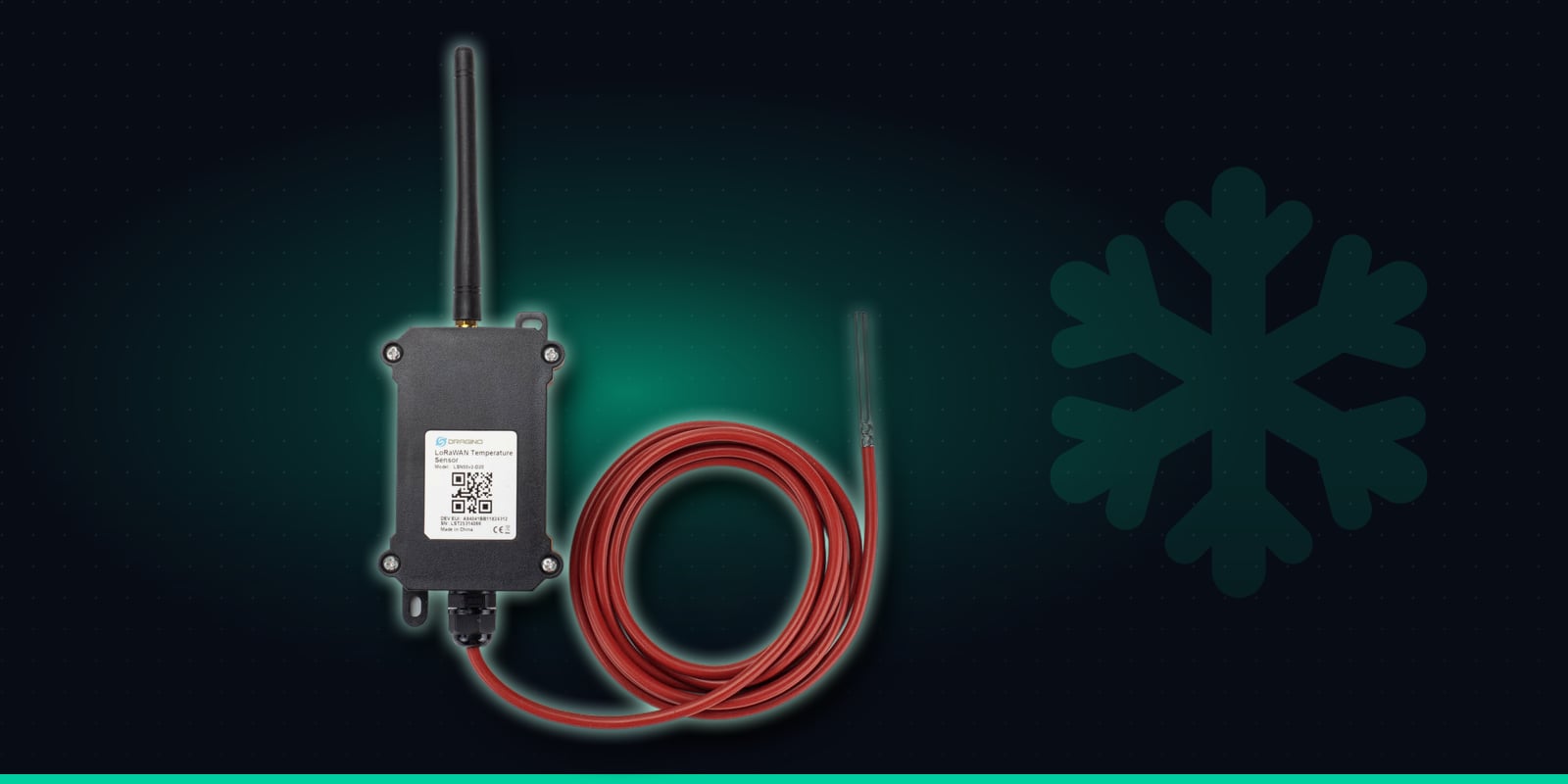
Pool & Hot Tub Temperature Monitoring with the LSN50v2-D20
22nd October 2026•By Neil Skoglund
LSN50v2-D20 Use Case
Guests arrive at the lodge, pull back the hot tub cover and find the water lukewarm. The heater tripped two days ago and nobody knew. Now there's a complaint, maybe a partial refund, and a review that mentions the hot tub before it mentions anything else. Or the opposite: a tub on an empty pitch has been held at full temperature all week, quietly running up the electricity bill.
This guide is for holiday-let owners, glamping and lodge park operators, hotels, spas and leisure sites. It shows how a Dragino LSN50v2-D20 with its waterproof probe in the water, reporting into Trackpac, tells you when a tub or pool is losing heat, confirms it's up to temperature before a changeover, and shows every unit across every site on one dashboard. For the general case for temperature sensors, see our overview of real-time temperature monitoring.
Why Pool & Hot Tub Temperatures Go Unwatched
A hot tub or pool is often the reason a guest picked your property, and it's also the piece of kit nobody checks until it matters. Heaters trip, heat pumps fault, circulation pumps stop and timers get changed. The control panel on the side of the tub may show the temperature, but only to someone standing next to it with the cover off.
Most hot tubs take many hours to heat a full tub from cold, and a pool far longer. So a fault found at check-in usually can't be fixed before the guests want to use it. Found the day before, it's a call to your hot tub engineer and an unaffected stay. The same blind spot works in reverse: tubs and pools left heating on empty units, between bookings or out of season, cost money every hour and nobody sees it until the bill arrives.
Why the LSN50v2-D20 Suits Pools & Hot Tubs
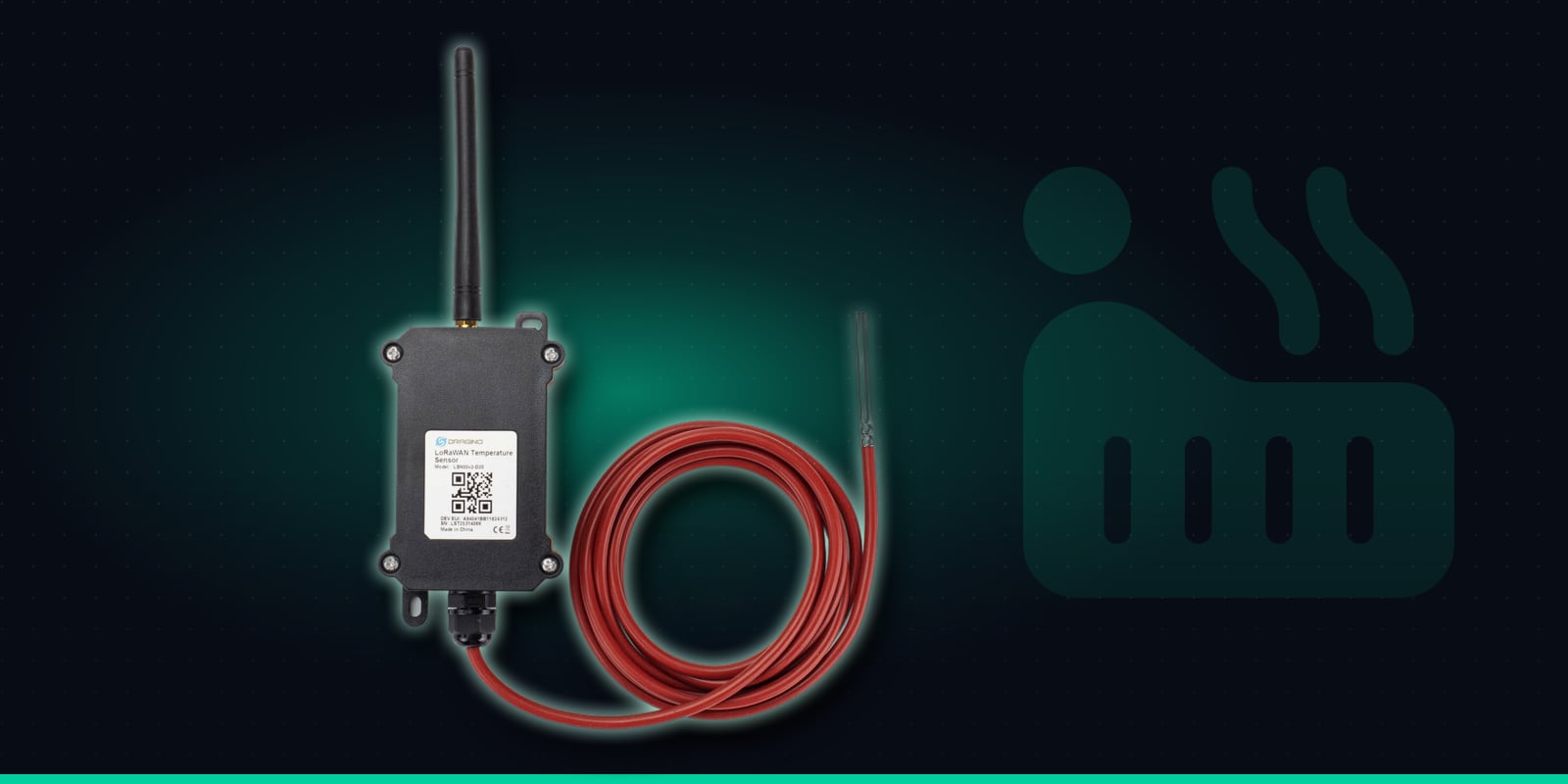
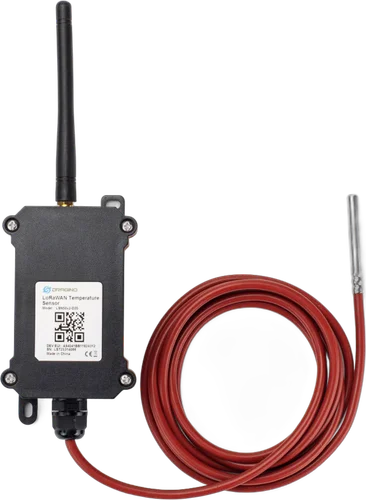
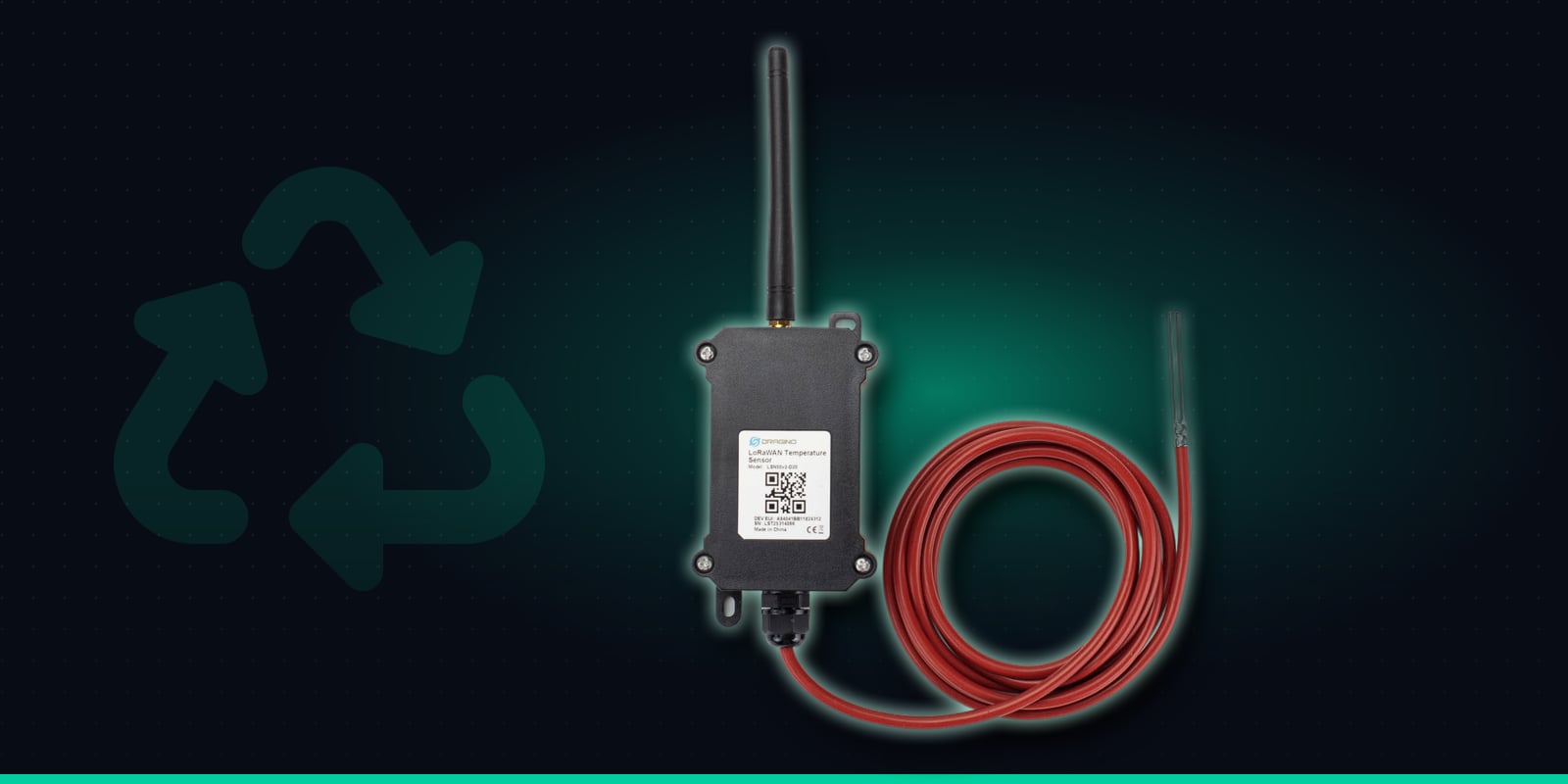
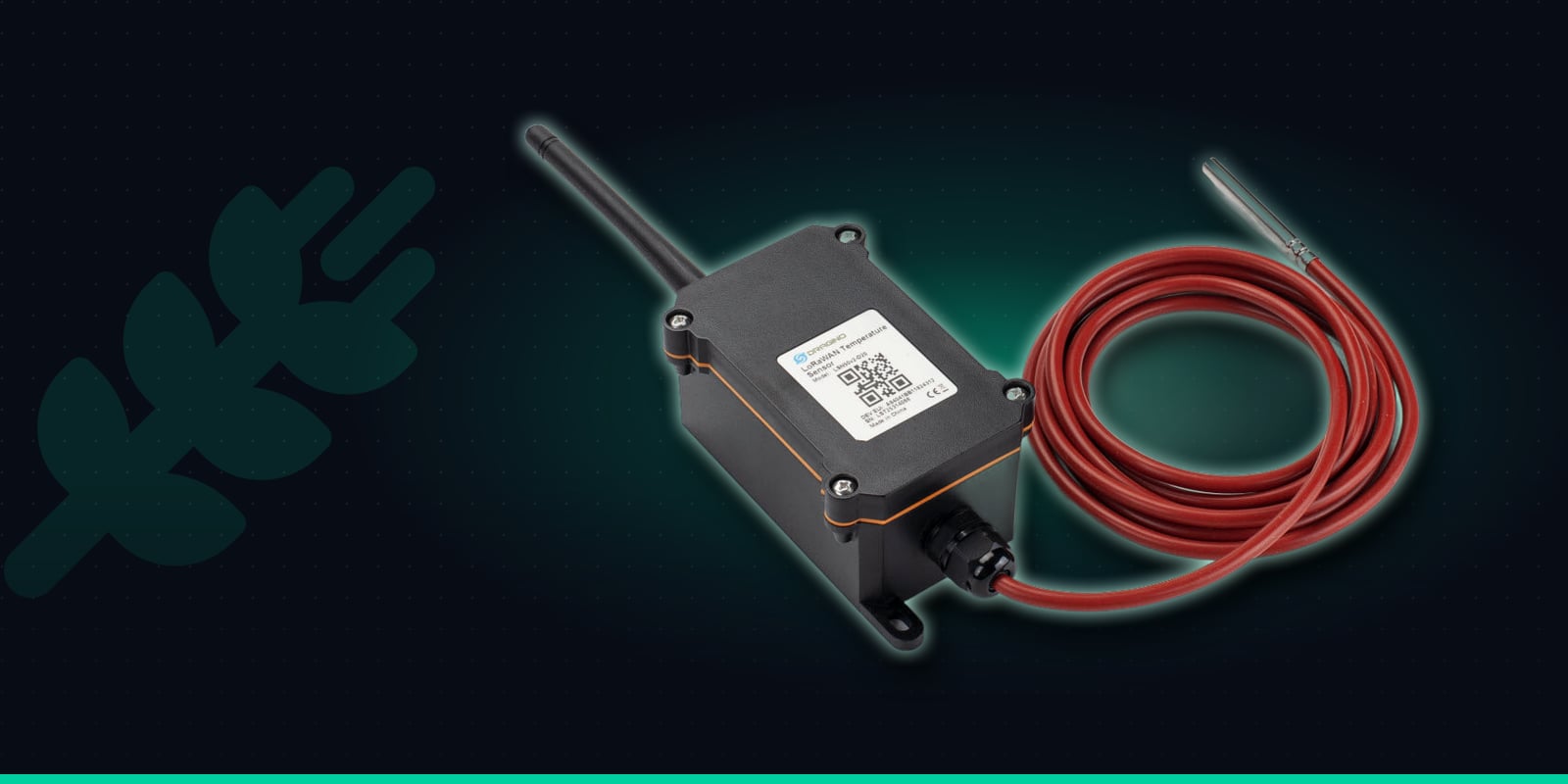
The LSN50v2-D20 has two parts. A rugged outdoor enclosure holds the battery, radio and external antenna. A 2 metre silicone cable runs from it to a DS18B20 temperature probe in a sealed stainless-steel tube. The probe is waterproof, so it can sit in the tub water, go into a pocket in the pool plant pipework or be strapped to a pipe, while the enclosure is fixed nearby, out of the water.
For holiday and leisure sites, three things matter. It's battery-powered, so there's no wiring into the tub's electrics and no electrician. It talks over LoRaWAN, so it doesn't rely on guest Wi-Fi reaching the far end of the garden, and its long range suits lodges spread across a field or a plant room in an outbuilding. And with typical accuracy of ±0.5°C, it's precise enough to tell a tub at its setpoint from one that's drifting down.
Waterproof probe
Stainless-steel DS18B20 probe on a 2m silicone cable. Reads -55 to 125°C.
±0.5°C accuracy
Typical accuracy of ±0.5°C (±2°C worst case across the full range).
High/low alarm
Checks the probe every minute and reports straight away when it goes outside the limits you set.
Regular readings
Reports every 20 minutes by default, adjustable remotely.
8500mAh battery
Rated for up to 10 years, depending on how often it reports.
Outdoor enclosure
Rugged main unit rated -40 to 85°C, with the probe placed where the reading matters.
Specifications from Dragino's LSN50v2-D20 documentation.
What You Can Catch with One Probe per Tub
Each LSN50v2-D20 has one probe, so it watches one body of water. Use one sensor per hot tub or pool. With a probe in each, four problems become visible from your phone:
Heater or heat pump faults
A tub or pool that should hold steady starts to fall. The graph shows the drop and a low-temperature alert flags it while there's still time to get an engineer out before the next arrival.
Ready for changeover
Check the dashboard on changeover day and see that the tub is back up to temperature after draining and refilling, without sending someone to lift the cover.
Heating when nobody is there
A tub held at full temperature on an empty unit, or a pool still heating after the season ends, shows up on the dashboard. Turning it down is your call, but now you can see it.
Winter cold on covered tubs
A covered outdoor tub that loses power in a cold spell can drop towards freezing, risking damage to pumps, heaters and pipework. A low-temperature alert gives you warning to act.
Installing the LSN50v2-D20 on a Hot Tub or Pool
Fitting a sensor takes minutes and fits into a changeover or service visit. The rule to remember: only the probe goes in or on the water system. The enclosure stays out of the water, within 2 metres of the probe.
1
Order pre-onboarded, scan and name it
Buy the LSN50v2-D20 from Hexaspot with the Pre-onboard to Trackpac option, scan its QR code in the Trackpac app and give it a clear name such as "Lodge 4 - hot tub". Tag it with the site so it picks up that site's alert rules.
2
Put the probe where the water circulates
On a hot tub, route the probe into the tub water, for example in the skimmer area, where it reads the water guests actually sit in and stays clear of where people sit. On a pool, put it in a pocket in the plant pipework or strap it firmly to a pipe that carries circulating water. A probe strapped to the outside of a pipe reads the pipe, so treat it as a close guide rather than an exact water temperature.
3
Fix the enclosure out of the water
Mount the main unit on the tub surround, the cabinet side, a post or the plant room wall, above any splash or standing water and within reach of the 2 metre cable. Keep the cable tidy so the cover, a cleaner or a guest won't snag it.
4
Check the first readings
Compare the dashboard reading with the tub's own display or a hand thermometer after the next report. If the sensor ever reports an obviously impossible value, the probe has been damaged or disconnected and needs checking on your next visit.
5
Brief your cleaners and housekeepers
Show whoever drains, cleans and refills the tub where the probe is, so they lift it out and put it back rather than leaving it hanging in an empty shell.
Alert Rules for Owners, Site Teams & Engineers
The aim is to hear about a problem while there's still time to fix it. Trackpac rules alert on temperature above or below a threshold and on low battery, by email, SMS or push through the Trackpac mobile app, and each rule can target a tag, so every tub on a site shares the same rules and contacts. A few rules cover most sites:
Below setpoint: heater check
Set a threshold a few degrees below your normal running temperature. SMS and push to the site manager or maintenance contact, so a tripped heater is found before guests arrive.
Above normal: settings check
A reading above your usual setpoint can mean a control has been changed or a thermostat is misbehaving. An email to whoever looks after the equipment is usually enough.
Near freezing: winter rule
For tubs left covered over winter, a low threshold a few degrees above freezing warns you of a power cut or heater fault before equipment is at risk.
Low battery: plan the swap
The battery is rated for years, and a low-battery alert gives you plenty of notice to replace it at a quiet changeover.
Still cold: no message flood
A tub that's heating back up takes hours. A trigger-lock interval stops every 20-minute report becoming another text, while the graph shows the recovery.
Back to temperature: all clear
When the reading returns to normal, a "resolved" message follows, so the owner knows the fix has worked without chasing the engineer.
Time windows let you route alerts differently, for example to the on-site team during the day and an on-call contact overnight. For a faster warning than the 20-minute reporting interval, the sensor's own high/low alarm can be configured on the device to check every minute and report straight away; Hexaspot or Trackpac support can help set it up. If your site logs jobs in a maintenance or ticketing system, webhooks can forward alerts to it. Trackpac passes the alert on; it doesn't switch heaters or pumps or call out an engineer itself.
Get Started
Know every hot tub is ready
One LSN50v2-D20 per hot tub or pool, with the waterproof probe in the water and no wiring or Wi-Fi - alerting you when the temperature drops so a fault is fixed before guests arrive.
€55.37 ex VAT from Hexaspot, our sister company in the Connect IoT group. VAT is added at checkout based on your country.
Choose Pre-onboard to Trackpac and the sensor arrives registered on Trackpac - scan the QR code and it's live on your dashboard.
Trackpac covers connectivity, dashboard, alerts and data storage from £15 / €18 per sensor per year.
Tag each sensor by site, lodge, pitch or building and the dashboard groups them for you: every hot tub on a glamping site, every lodge on a park and every pool across a group of hotels on one screen, with any that are running cold standing out. The history graphs show how each tub behaves over a stay, how long it takes to recover after a refill and whether a repaired heater is holding temperature.
If you manage units for several owners, a read-only dashboard link lets each owner see their own tub without changing sensors or alert rules. The same link is useful for a hot tub engineer or pool contractor who wants to see the temperature history before a visit. CSV exports give you a record of temperatures over time, handy when a guest says the tub was never warm or when you're reviewing energy use across the season.
Keeping water hot is one of the bigger running costs on a site with tubs or a heated pool. Most of that spend is necessary while guests are in. Some of it isn't: a tub kept at full temperature through a week with no bookings, a pool heat pump left on after the season closes, or a unit taken out of service that nobody turned down.
With a sensor in every tub and pool, those cases are easy to find. Look at the dashboard alongside your booking calendar, or export the readings and compare temperatures on occupied and empty nights. Trackpac won't turn anything down for you, but it shows where heat is going when nobody is there to use it, so you can decide what to change.
Pools with long heat-up times
A pool can take days to bring back up to temperature. A sensor in the plant pipework shows when the heating has actually been turned on ahead of reopening, and whether the water is on track for the date you need it.
Frequently Asked Questions
Can the LSN50v2-D20 probe go in hot tub or pool water?↓
Yes. The DS18B20 probe sits in a sealed stainless-steel tube on a 2 metre silicone cable and is waterproof, so it can sit in the water, go into a pocket in the plant pipework or be strapped to a pipe. Only the probe goes in or near the water. The main enclosure, which holds the battery, radio and antenna, is fixed nearby, out of the water and within 2 metres of the probe. Don't submerge the enclosure.
How quickly will I know if a hot tub heater stops working?↓
By default the sensor reports every 20 minutes, so Trackpac sees a falling temperature within one or two reports, and an alert rule set below your normal running temperature will fire on the next reading under the threshold. If you want a faster warning, the sensor also has an on-device high/low alarm: it checks the probe every minute and sends an alarm message straight away when the reading leaves the range you set. Hexaspot or Trackpac support can help you configure it.
Does it need Wi-Fi or mains power at the hot tub?↓
No. The LSN50v2-D20 runs on an 8500mAh battery rated for up to 10 years, depending on how often it reports, and sends its readings over LoRaWAN. There's no mains connection, no Wi-Fi and no SIM card, and LoRaWAN's long range means it can usually reach a gateway from a garden, a pod at the far end of a field or a pool plant room. Check LoRaWAN coverage at each site before you roll out.
Can I see every hot tub across all my sites in one place?↓
Yes. Tag each sensor by site, lodge or pitch and the Trackpac dashboard shows every tub and pool on one screen with its latest temperature and history. Alert rules can target a tag, so a new sensor added to a site picks up that site's rules automatically. You can also share a read-only dashboard link with an owner or a maintenance contractor, and export readings to CSV for your records.
Where can I buy the LSN50v2-D20 for use with Trackpac?↓
The Dragino LSN50v2-D20 is sold by Hexaspot, Trackpac's sister company in the Connect IoT group, for €55.37 ex VAT, with VAT added at checkout based on your country. Choose 'Pre-onboard to Trackpac' when you order and Hexaspot registers it on Trackpac before dispatch, so you only need to scan its QR code. A Trackpac subscription from £15 / €18 per sensor per year covers connectivity, the dashboard, alerts and data storage.