A frozen pipe rarely announces itself. The water turns to ice on a bitter night in a loft, a garage or a stable block, the pipe splits, and nothing happens until the thaw. Then the water runs, often for hours, into ceilings, stored stock, tack rooms or an empty building nobody will visit until next week.
This guide is for property managers, landlords, holiday-home owners, farmers, and anyone looking after pavilions, halls or outbuildings over winter. It shows how a Dragino LSN50v2-D20 with its probe strapped to the most exposed pipe, reporting into Trackpac, warns you while the pipe is still a few degrees above freezing, so someone can put the heating on, add lagging or drain down before anything bursts. For the wider case for temperature sensors, see our overview of real-time temperature monitoring.
Why Frozen Pipes Cost So Much
Water expands as it freezes, and in a confined pipe that can split copper, crack plastic fittings or push joints apart. The damage often isn't visible while the pipe is frozen, because the ice holds the water in place. The real cost comes when it thaws and mains water starts running through the split, sometimes in a space nobody looks at for days.
The buildings most at risk are the ones with the least heat and the fewest visitors: lofts with tanks and pipework above the insulation, detached garages and workshops, stables and farm buildings, standpipes and outside taps, and properties left empty over winter. In all of them, the problem isn't that frost is unusual. It's that nobody knows how cold that particular pipe got last night until it's too late to do anything about it.
Why the LSN50v2-D20 Suits Frost Monitoring
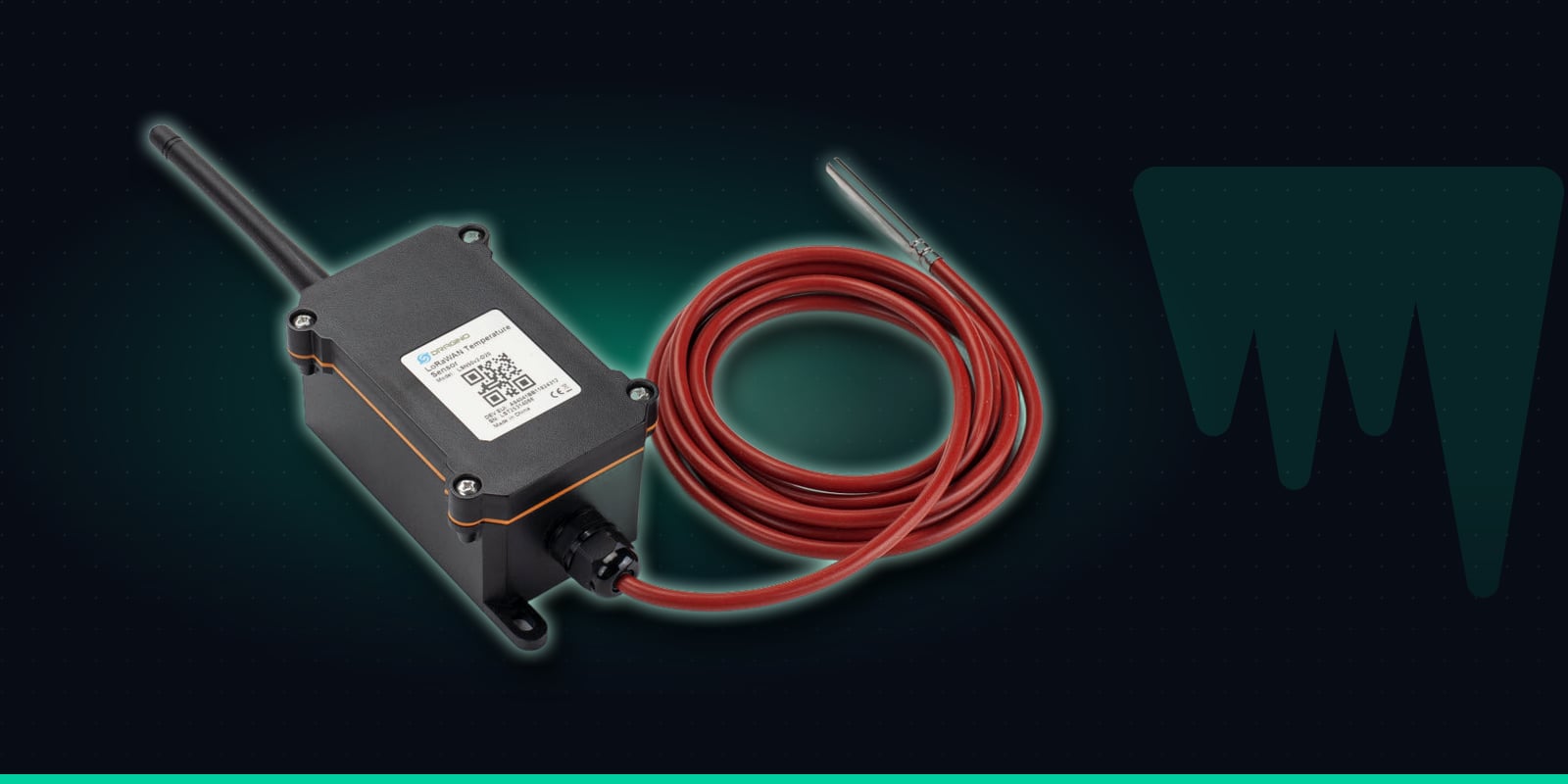
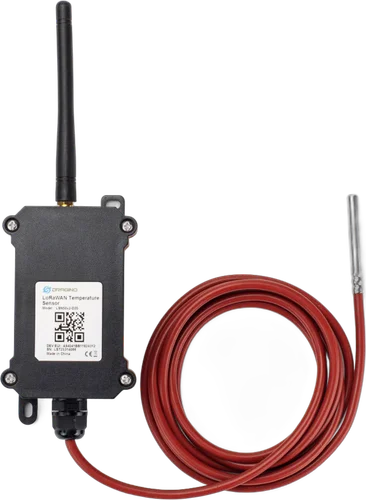
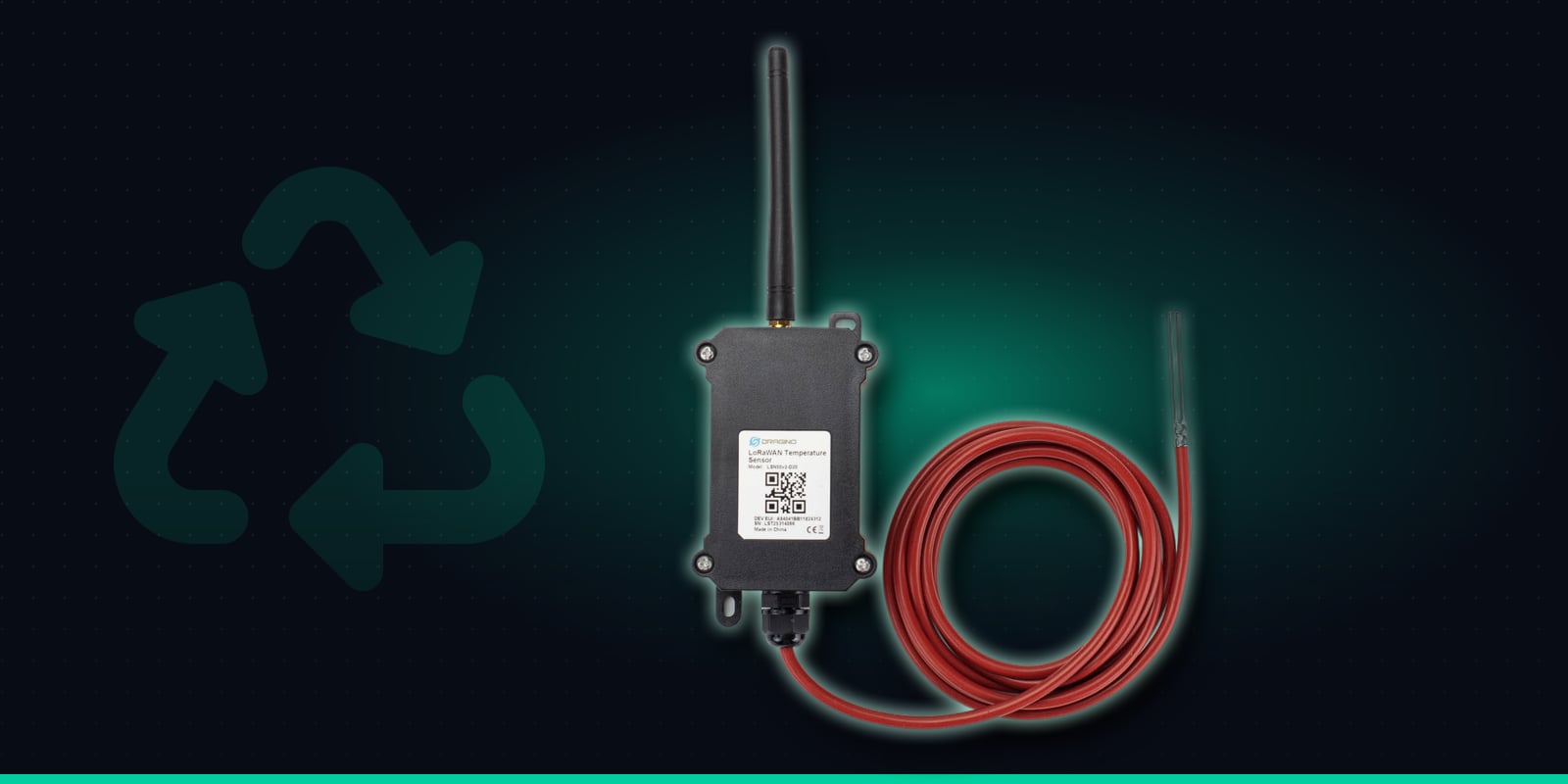
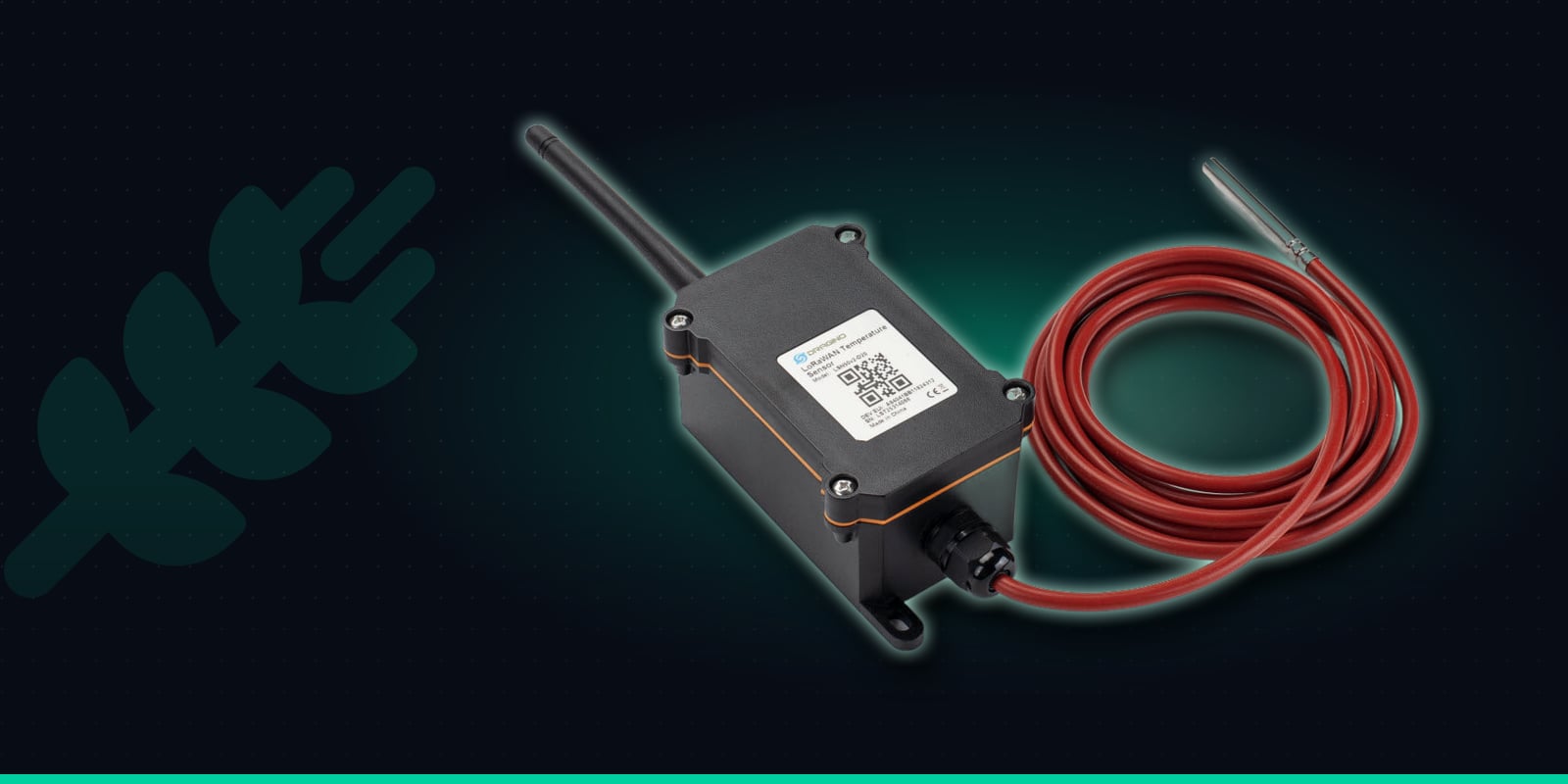
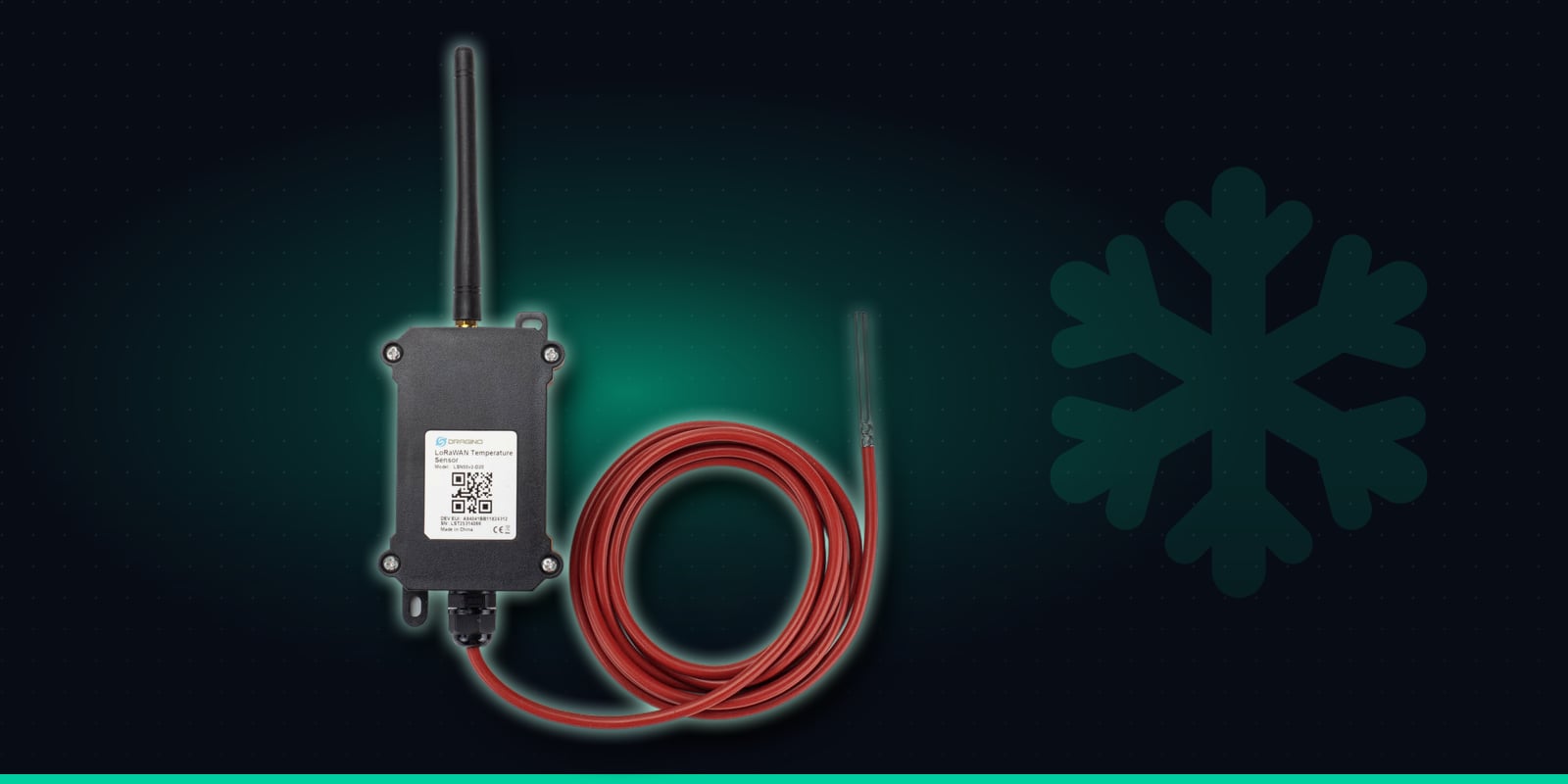
Most temperature sensors measure the air around the box. That's a rough guide, but the air in the middle of a loft or garage can be several degrees warmer than the pipe running along an outside wall or past an air brick. The LSN50v2-D20 puts a waterproof stainless-steel probe on a 2 metre silicone cable, so you can strap it directly to the coldest stretch of pipe, under the lagging, and keep the main enclosure nearby on a joist, wall or post.
It suits cold, unheated spaces well. The main unit is rated to operate down to -40°C, it runs on a battery rated for up to 10 years depending on how often it reports, and it uses LoRaWAN, so there's no mains, no Wi-Fi and no SIM to arrange in a stable or a field shelter. By default it reports every 20 minutes, and it can also check the probe every minute and send an alarm the moment it drops below a threshold set on the device.
Waterproof probe
Stainless-steel DS18B20 probe on a 2m silicone cable. Reads -55 to 125°C.
±0.5°C accuracy
Typical accuracy of ±0.5°C (±2°C worst case across the full range).
High/low alarm
Checks the probe every minute and reports straight away when it goes outside the limits you set.
Regular readings
Reports every 20 minutes by default, adjustable remotely.
8500mAh battery
Rated for up to 10 years, depending on how often it reports.
Outdoor enclosure
Rugged main unit rated -40 to 85°C, with the probe placed where the reading matters.
Specifications from Dragino's LSN50v2-D20 documentation.
Where Pipes Are Most at Risk
Each LSN50v2-D20 has one probe, so it watches one pipe. Use one sensor per vulnerable run, and put the probe on the stretch most exposed to cold air. These are the places that tend to catch people out:
Lofts & roof spaces
Cold water tanks, feed pipes and overflows often sit above the loft insulation, out of reach of the heat below. Strap the probe to the pipe nearest the eaves.
Garages, workshops & stables
Unheated buildings with a water supply for a sink, a washing machine, a hose point or drinkers. Probe on the supply pipe where it comes through the wall.
External pipes & standpipes
Outside taps, exposed risers and standpipes on allotments, yards and sites take the full force of a cold night. Probe under the lagging, body fixed to the wall or post beside it.
Empty properties & holiday homes
Void properties between tenants and holiday homes closed for the winter, where the heating may be off or on a low setting and nobody is there to notice it has failed.
Pavilions, churches & village halls
Buildings used a few hours a week, often with toilets, kitchens and changing rooms on long pipe runs, and heating that only comes on for bookings.
Farm water supplies
Supply pipes to troughs, livestock buildings and dairies, often running above ground or through open-sided sheds. A frozen supply means carting water; a burst one means lost water and repairs.
Installing the LSN50v2-D20 on a Pipe
Fitting takes a few minutes per pipe, and it's worth doing in the autumn, before the first hard frost. The probe goes on the pipe; the main enclosure stays within 2 metres of it, fixed somewhere dry and out of the way.
1
Order pre-onboarded, scan and name it
Buy the LSN50v2-D20 from Hexaspot with the Pre-onboard to Trackpac option, scan its QR code in the Trackpac app and give it a clear name such as "Hall - loft tank feed". Tag it with the site so it picks up that site's alert rules.
2
Find the coldest stretch of pipe
Look for the section nearest an outside wall, an eave, an air brick, a gap under a door or where the pipe comes out of the ground. That's where ice is most likely to form first.
3
Strap the probe to the pipe, under the lagging
Lay the stainless-steel tube along the pipe and hold it in firm contact with cable ties or tape. Put the lagging back over the top, so the probe reads the pipe rather than the surrounding air.
4
Fix the main unit nearby
Mount the enclosure on a joist, wall or post within reach of the 2 metre cable. Keep the cable tidy and clear of hatches, doors and anything that gets moved around, such as stored boxes or feed bags.
5
Check the first readings
Confirm readings are arriving on the dashboard. Over the first few cold nights, compare the pipe temperature with the weather to get a feel for how quickly that space cools, then fine-tune your alert threshold.
Setting Frost Alert Rules
The aim is an alert early enough that someone can still do something. Water freezes at 0°C, so an alert at 0°C is too late. A common starting point is a warning when the pipe drops to around +3 to +4°C, which in most spaces leaves time to put the heating on, add a heater or trace heating, or drain the system down. Treat that as a starting point and adjust it to how fast each building cools.
Trackpac rules can alert on temperature below a threshold and on low battery, by email, SMS or push through the Trackpac mobile app, and each rule can target a tag, so every sensor on a site shares the same contacts. A few rules cover most situations:
Pipe getting cold: warn now
A below-threshold rule at around +4°C sends SMS and push to whoever can get there or switch the heating on. A second rule a degree or two lower can go to a wider group as an escalation.
Cold all night: no message flood
On a long cold night the pipe may sit below the threshold for hours. A trigger-lock interval stops every report turning into a text, while the graph keeps the full picture.
Warmed up: all clear
When the pipe climbs back above the threshold, a "resolved" message follows, so everyone knows the heater or the extra lagging has done its job.
Low battery: fix it before winter
The battery is rated for years, and a low-battery alert gives you time to deal with it before the cold months, not in the middle of a freeze.
Pipes usually cool gradually, so the regular 20-minute reports are often enough for a Trackpac rule to catch the drop in good time. For a pipe that cools quickly, such as an exposed standpipe, the on-device low alarm adds a faster layer: the sensor checks the probe every minute and reports straight away when it crosses the limit. That threshold is configured on the device itself, and Hexaspot or Trackpac support can help you set it.
Time windows let you route alerts differently out of hours, for example to an on-call keyholder overnight. If you log jobs in a maintenance or helpdesk system, webhooks can forward frost alerts to it. Trackpac passes the alert on; it doesn't switch heating on or drain the system itself.
Managing Frost Risk Across Many Buildings
Tag each sensor by site, building or property and the dashboard groups them for you: every loft, garage and outbuilding on one screen, with the coldest pipes standing out. The history graphs show how each pipe behaved on the coldest nights, which helps you decide where extra lagging or trace heating is worth the money, and whether a heating setback in an empty property is keeping pipes safely above freezing.
If a contractor, caretaker or owner needs to keep an eye on a building, a read-only dashboard link lets them see its sensors without being able to change anything. CSV exports give you a record of pipe temperatures through the winter, useful if you ever need to show what was being monitored and when. If a probe is damaged or disconnected, the sensor reports an obviously invalid reading, so a fault is easy to spot on the dashboard.
A frost alert is about prevention: it gives you the chance to stop a pipe freezing in the first place. But if a pipe does freeze and split, the damage happens at the thaw, when water starts to run. That's a different signal, and a leak sensor on the floor beneath the pipework is the way to catch it.
In empty properties, lofts and plant spaces, the two work well together: the LSN50v2-D20 warns you while the pipe is cooling, and a water leak sensor tells you straight away if water ever reaches the floor. Read about burst pipe alerts for void and empty properties to see how the LWL02 covers that side of the risk.
Get Started
Catch freezing pipes before they burst
One LSN50v2-D20 on each exposed pipe, with the probe strapped under the lagging and no wiring or Wi-Fi needed - alerting you while the pipe is still above freezing, so there's time to act.
€55.37 ex VAT from Hexaspot, our sister company in the Connect IoT group. VAT is added at checkout based on your country.
Choose Pre-onboard to Trackpac and the sensor arrives registered on Trackpac - scan the QR code and it's live on your dashboard.
Trackpac covers connectivity, dashboard, alerts and data storage from £15 / €18 per sensor per year.
What temperature should a frozen pipe alert be set to?↓
Water freezes at 0°C, so the alert needs to fire before the pipe gets there, while there's still time to act. Many people start with a warning at around +3 to +4°C on the pipe itself, and some add a second, more urgent rule a degree or two lower. The right figure depends on how quickly the space cools and how long it takes someone to respond, so treat this as a starting point and adjust it after watching a few cold nights on the graph.
Why strap the probe to the pipe instead of measuring the air?↓
Because the pipe is what freezes. Air temperature in a loft or garage can vary a lot from one corner to another, and the coldest stretch of pipe is often by an eave, an outside wall or an air brick. The LSN50v2-D20's stainless-steel probe sits on a 2 metre cable, so you can strap it to the most exposed section of pipe, under the lagging, and get a reading of the pipe rather than the room.
Will the sensor work in an unheated outbuilding in winter?↓
Yes. The main unit is rated to operate from -40°C to 85°C and the probe reads from -55°C, so a cold garage, stable or pump house is well within range. It runs on an 8500mAh battery and talks over LoRaWAN, so it needs no mains power, no Wi-Fi and no SIM. It does need LoRaWAN coverage at the building, so check coverage before you deploy.
Does Trackpac turn the heating on when a pipe gets cold?↓
No. Trackpac sends the alert by email, SMS or push to the people you choose, and can forward it to other systems by webhook, but it doesn't control heaters, trace heating or valves. Someone still needs to put the heating on, check the lagging or drain down. The value is knowing in time to do that, rather than finding out after the thaw.
Where can I buy the LSN50v2-D20 for use with Trackpac?↓
The Dragino LSN50v2-D20 is sold by Hexaspot, Trackpac's sister company in the Connect IoT group, for €55.37 ex VAT, with VAT added at checkout based on your country. Choose 'Pre-onboard to Trackpac' when ordering and Hexaspot registers the sensor on Trackpac before dispatch, so you only need to scan its QR code. A Trackpac subscription from £15 / €18 per sensor per year covers connectivity, the dashboard, alerts and data storage.