Burst Pipe Alerts for Void & Empty Properties with the LWL02
22nd October 2026•By Neil Skoglund
LWL02 Use Case
In an occupied home, a split pipe or a failed fitting gets noticed quickly: someone hears it, sees it or steps in it. In an empty building nobody does. Water can run for days between inspections, soaking floors, staining ceilings and seeping into the flat below. By the time the next visit comes round, a small repair has become a strip-out, and the property that was nearly ready to let or sell is off the market again.
This guide is for housing providers with voids between tenancies, property managers, estate agents with empty homes on their books, and schools, churches, community centres and sports clubs that close over the holidays. It shows how a few Dragino LWL02 water leak sensors, reporting into Trackpac, turn "we'll find out on the next visit" into an alert on the void team's phone within minutes. For the wider case for leak detection, see our overview of real-time water leak detection.
Why Empty Buildings Need Leak Alerts Most
The damage from a leak is mostly a function of time. An empty building removes every way a leak normally gets spotted early. Nobody hears the hiss, nobody notices the damp patch, and a weekly or fortnightly inspection means water can run for days before anyone opens the door.
Winter makes it worse. Burst pipes are commonly associated with cold spells, when water freezes in a pipe and the pipe then splits or a joint lets go as it thaws. An unheated void or a church shut for a fortnight after Christmas is exactly where that tends to happen, and the leak often starts when the weather warms up and nobody is expecting it.
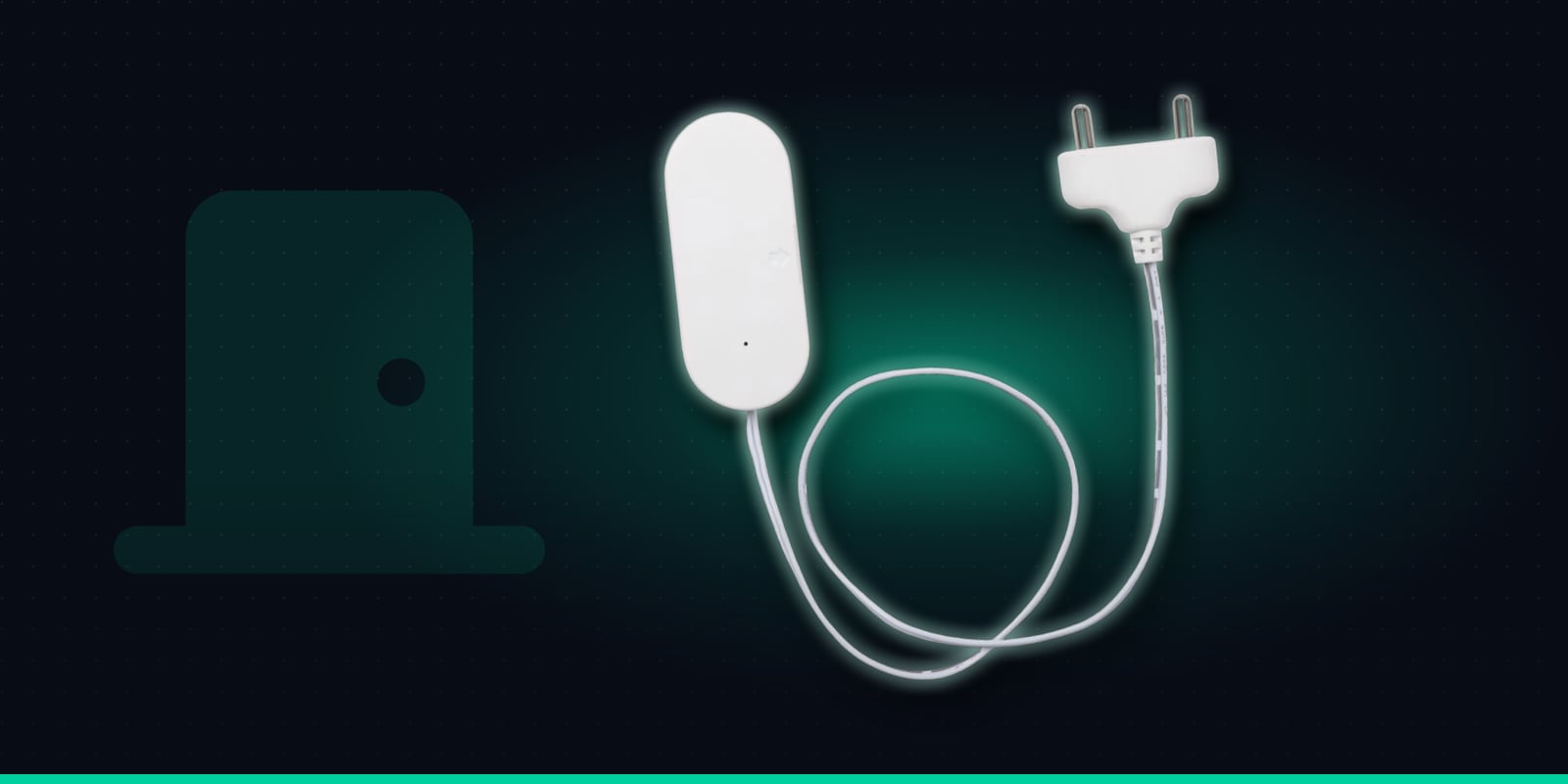
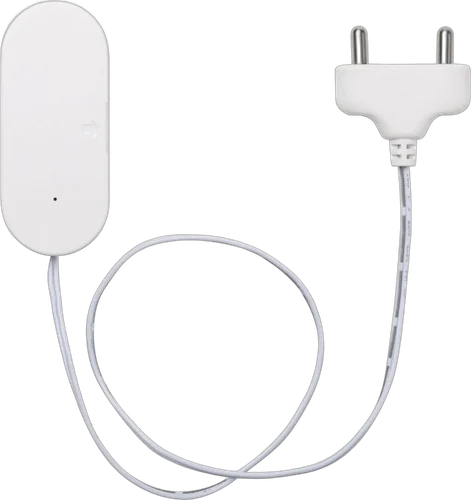
The LWL02 is a small indoor LoRaWAN leak sensor built for this job. A white sensor body holds the batteries and radio, and a thin lead runs to a probe with two 316 stainless-steel pins. When water bridges the pins, the sensor sends an alert straight away, then every 10 minutes while the leak continues, and a message when the probe is dry again. It runs on two AAA batteries, so it needs no mains, no Wi-Fi and no SIM - useful in a property where the power is off and the broadband was cancelled with the last tenancy.
Two-probe detection
Stainless-steel probes on a lead. Water bridging the probes triggers a leak alert.
Instant leak alerts
Reports the moment a leak starts, every 10 minutes while it continues, and when it clears.
Daily check-in
Sends a status report once a day, so you know the sensor is still working.
Counts & durations
Keeps a count of leak events and how long the last one lasted.
Replaceable AAA batteries
2 x AAA, roughly 2 to 10 years depending on how often it reports.
Indoor sensor
The body isn't waterproof - mount it above the floor with only the probe in the wet zone. -10 to 50°C.
Specifications from Dragino's LWL02 documentation.
One detail matters for empty buildings: temperature. With standard AAA batteries the LWL02 is rated for -10 to 50°C. Fit lithium AAA cells and that range widens to -40 to 60°C, which is the sensible choice for any building that may be left unheated through a cold snap.
Who Uses Void Property Leak Alerts
The setup is the same in every case: a handful of sensors at the points where water is most likely to escape or collect, tagged by property in Trackpac. What changes is how long the building sits empty and who needs to know.
Housing providers & void teams
Homes between tenancies while repairs, checks and lettings catch up. A void kit of sensors goes in at key return and comes out at sign-up, ready for the next property on the list.
Property managers & estate agents
Empty homes for sale or let, probate properties and flats waiting for a new tenant. A leak alert reaches the person holding the keys rather than being found on the next viewing.
Schools
Washrooms, kitchens and boiler cupboards in buildings that close for weeks at a time. Alerts go to the site manager over the holidays, so a leak doesn't greet everyone on the first day of term.
Churches, community & sports buildings
Halls, pavilions and changing rooms that may only be used a few times a week and sit locked in between. An SMS goes to the volunteer keyholder, wherever they are.
Where to Put Sensors in an Empty Property
Each LWL02 has one probe, so use one sensor per spot you want to protect. Three to five sensors cover most houses and flats. Remember that the sensor body isn't waterproof: fix it to a wall or the side of a unit above where water would sit, and put only the probe at floor level.
1
Order "Trackpac Ready", scan and tag by property
Buy the LWL02 from Hexaspot with the Trackpac Ready option, scan each QR code in the Trackpac app and name it by location, such as "Kitchen sink" or "Cylinder cupboard". Tag it with the property address so it picks up that property's alert rules.
2
The stopcock and incoming main
Often under the kitchen sink or in a cupboard by the front door, and a frequent place for older fittings to weep or let go. Put the probe on the floor of the cupboard, below the pipework.
3
Under the water heater or hot water cylinder
A cylinder or water heater holds a lot of water, and a failed valve or fitting can empty it slowly over days. Place the probe where water would pool at its base. Our plant room and water heater guide goes into more detail.
4
Kitchen and washroom
Under the sink, behind the washing machine space and beside the toilet or bath panel. In schools and halls, washrooms with several basins and cisterns are worth a sensor each.
5
The lowest point of the lowest floor
Water from anywhere above tends to end up here: a ground floor hallway, a cellar or the low corner of a hall. A probe at the lowest point catches leaks you didn't think to cover elsewhere.
6
Wet test before you lock up
Touch each probe with a damp cloth and check the leak and the "dry again" message both appear on the dashboard. That confirms the sensor has a signal from where it sits, before the building is left empty.
Alert Rules for Out-of-Hours Leaks
In an empty building there is no good time for a leak, so most void rules run around the clock. Trackpac alert rules can send email, SMS and push through the Trackpac mobile app, use time windows to route alerts to different people, and target a tag so every sensor in a property or portfolio shares the same rules. A few rules cover most needs:
Leak detected: alert the void team
Email to the void team in office hours, and SMS and push to the out-of-hours keyholder in the evening, overnight and at weekends.
Dry again: resolved
When the probe dries out, a "resolved" message follows the alert, so whoever attended knows the water has stopped reaching the floor.
Trigger-lock: one message, not dozens
The sensor reports every 10 minutes while a leak continues. A trigger-lock interval stops that from becoming a message every 10 minutes while someone is on their way.
Low battery: swap at the next visit
With battery life measured in years, a low-battery rule makes sure a sensor in a long-term void doesn't quietly go silent.
Alongside its alerts, each LWL02 sends a daily status report, so the dashboard shows every sensor checking in even when the building is dry. That is your reassurance that a quiet void is genuinely quiet, not a sensor that has stopped reporting. Be clear about the limits, too: the sensor detects water that reaches its probe. It won't see a leak inside a wall or ceiling until the water gets to the floor, and Trackpac doesn't turn the water off. It gets someone there sooner.
Sensors That Move With the Void Cycle
Key return: fit the void kit and tag the sensors with the address. Sign-up: lift the sensors, wipe the probes and take them to the next void. Re-tag on arrival and the sensors pick up the new property's rules and recipients straight away.
Because the LWL02 fixes with screws or an adhesive pad and has no wiring, it is quick to move. A small stock of sensors can rotate around the portfolio, covering whichever homes are empty this month rather than sitting in one property for good. Each move costs a few minutes and a wet test.
The sensors use LoRaWAN, so there is no SIM per property and no reliance on a broadband line that may already be disconnected. Coverage does vary from street to street, though, so read what to check about LoRaWAN coverage before you build your void process around it, and rely on the wet test at each new address.
One Dashboard Across the Portfolio
Tag sensors by property, block or patch, and the Trackpac dashboard shows every empty building in one place: which sensors are dry, which have had a leak, when each last reported and how its battery is doing. Each report carries a running count of leak events and how long the last one lasted, so a fitting that weeps on and off stands out in the history, and the count can be reset remotely once it is fixed.
A read-only dashboard link lets a building owner, a client landlord or a church or school committee see the status of their buildings without being able to change sensors or rules. Reports and exports give you a record of what was monitored and when, which is handy if an insurer or client asks how an empty building was looked after.
If leaks should go straight into your repairs process, webhooks can forward each alert to a repairs, work-order or helpdesk system, so a job is raised without someone retyping the message. Trackpac passes the alert on; booking the plumber stays with you. Once a home is let again, the same sensors and approach suit occupied homes too - see leak alerts for rentals and holiday lets and damp and mould monitoring in rental homes. For costs, see Trackpac pricing.
Get Started
Know about a burst pipe before the next visit
A few LWL02s at the stopcock, cylinder, kitchen, washroom and lowest floor point - battery-powered, no wiring, and ready to move to the next void when this one is let.
€18.17 ex VAT from Hexaspot, our sister company in the Connect IoT group. VAT is added at checkout based on your country.
Choose the Trackpac Ready option and the sensor arrives pre-registered on Trackpac - scan the QR code and it's live on your dashboard.
Trackpac covers connectivity, dashboard, alerts and data storage from £15 / €18 per sensor per year.
Does the LWL02 need power or Wi-Fi in an empty property?↓
No. The LWL02 runs on two AAA batteries and sends its messages over LoRaWAN, so it needs no mains power, no Wi-Fi and no SIM card. That matters in a void where the electricity may be switched off or the broadband cancelled. The only thing it needs is LoRaWAN coverage at the property, which is worth checking before you rely on it.
Will the LWL02 work in an unheated building over winter?↓
With the right batteries, yes. Dragino rates the LWL02 at -10 to 50°C with standard AAA batteries and -40 to 60°C with lithium AAA cells. For voids, closed churches, sports pavilions and other buildings that may sit unheated through a cold spell, fit lithium AAA cells. The sensor body is for indoor use and isn't waterproof, so mount it on a wall or the side of a unit with only the probe at floor level.
How do I know a sensor in an empty building is still working?↓
The LWL02 sends a status report once a day as well as its leak alerts, so the Trackpac dashboard shows each sensor checking in even when nothing is happening. A quick look at each sensor's latest report tells you which sensors are alive. A low-battery alert rule warns you well before a sensor goes quiet, and the AAA batteries are user-replaceable.
Can I move the sensors to the next void when a property is let?↓
Yes, and that is how most void teams use them. The LWL02 fixes with screws or an adhesive pad and has no wiring, so you lift it at sign-up, take it to the next empty property and re-tag it in Trackpac. Because alert rules can target tags, the sensor picks up the right rules and recipients as soon as its tag changes. Do a quick wet test after each move.
Will the LWL02 stop the water or detect a leak inside a wall?↓
No to both. The LWL02 detects water that reaches its two stainless-steel probe pins, so it alerts you when water collects on the floor or in a cupboard where the probe sits. It doesn't detect water hidden inside walls or ceilings, and neither the sensor nor Trackpac turns off the supply. What it gives you is an early warning, so someone can attend and isolate the water days sooner than the next scheduled visit.