Water Leak Alerts for Rentals & Holiday Lets with the LWL02
22nd October 2026•By Neil Skoglund
LWL02 Use Case
A washing machine hose works loose. A waste pipe under the kitchen sink starts to weep. A toilet cistern seal gives way. In your own home you'd spot it within a day. In a let property, the first sign is often a call from the flat below, a warped kitchen floor at check-out, or a guest arriving to a wet carpet and asking for a refund.
This guide is for landlords, letting agents, holiday-let owners and serviced-apartment operators. It shows how a Dragino LWL02 water leak sensor at each risk point, reporting into Trackpac, alerts you and your cleaner or maintenance contact as soon as water reaches the floor, tells you when it has dried, and keeps a record for every property you look after. For the wider case for leak sensors, see our overview of real-time water leak detection.
Why Leaks Cost More in a Let Property
The leak itself is usually small. What makes it expensive is how long it runs before anyone acts. Tenants don't look under the sink or behind the washing machine, and a slow drip in a cupboard can go unnoticed for weeks. Some tenants notice but don't report it, assuming it's minor or worrying about being blamed. By the time it reaches you, it may have soaked into flooring, kitchen units or the ceiling of the flat downstairs.
Holiday lets and serviced apartments have the opposite problem: often nobody is there at all. A property can sit empty for days between stays, and a leak that starts the morning after a changeover may not be found until the next cleaner arrives. Then you're dealing with repairs, cancelled bookings while the place dries out, and an awkward conversation about who caused it. If you also manage properties that stay empty for longer, read about burst pipe alerts for void and empty properties.
Why the LWL02 Suits Rental Properties
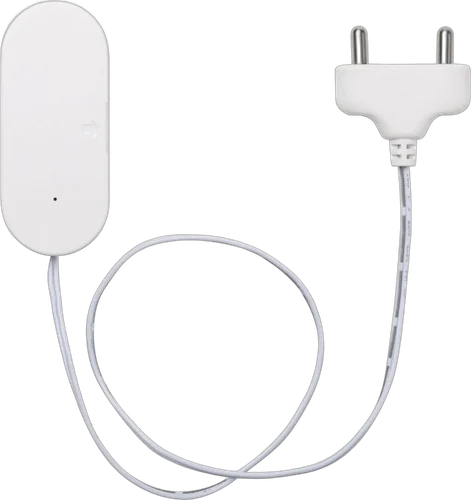
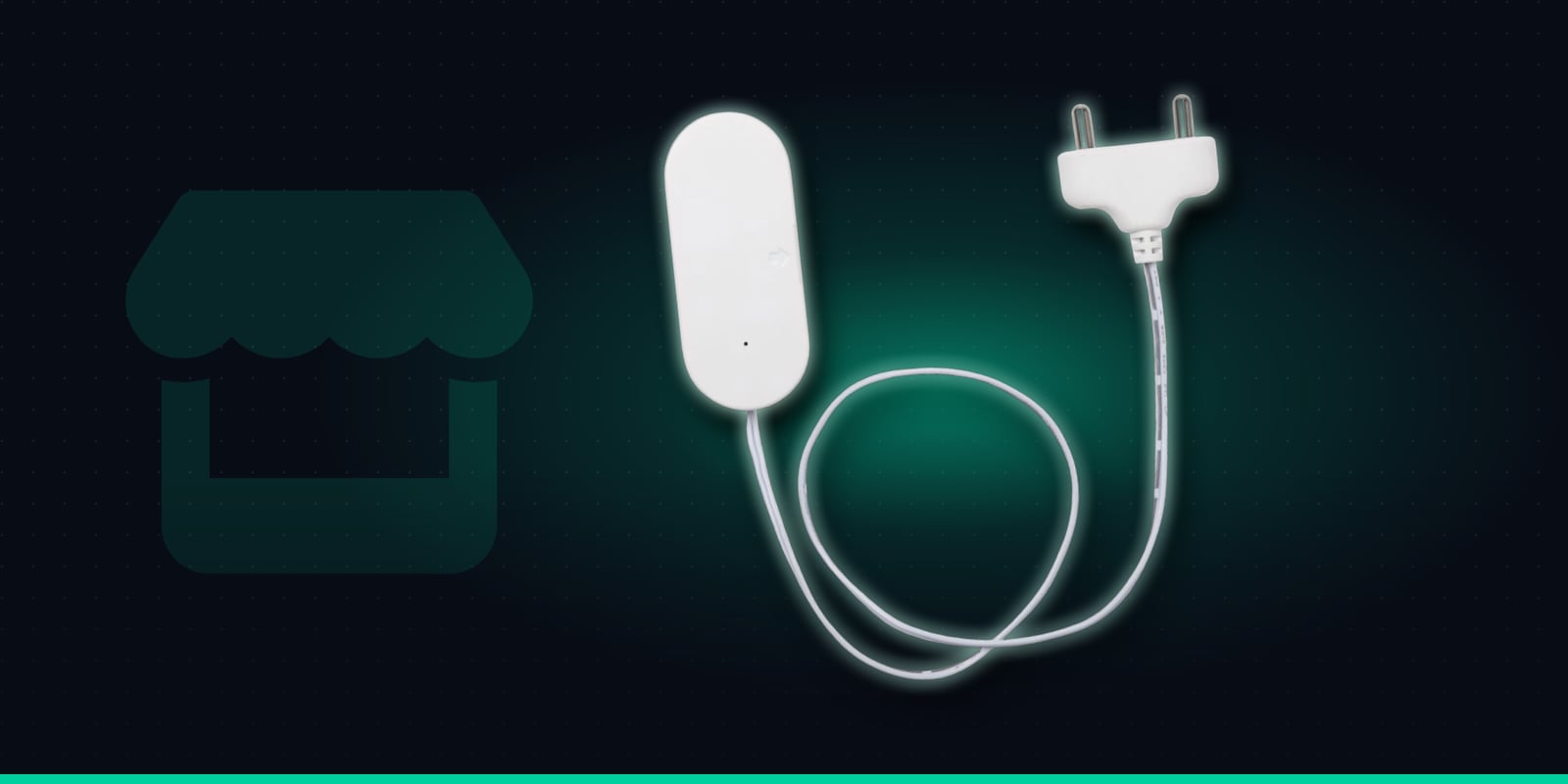
The LWL02 is a small, white indoor sensor. The body holds the batteries and radio, and a thin lead runs to a probe with two stainless-steel pins. When water bridges the pins, the sensor reports a leak straight away, again every 10 minutes while the water is still there, and once more when the probe is dry. A daily check-in confirms it's still working, so a quiet sensor means a dry floor, not a dead one.
For landlords, three things matter. It runs on two AAA batteries, so there's no wiring and no electrician. It talks over LoRaWAN, so it doesn't need the tenant's Wi-Fi or a SIM card, and it keeps working when a guest unplugs the router. And at €18.17 ex VAT per sensor it's cheap enough to cover every property, not just the one that flooded last year.
Two-probe detection
Stainless-steel probes on a lead. Water bridging the probes triggers a leak alert.
Instant leak alerts
Reports the moment a leak starts, every 10 minutes while it continues, and when it clears.
Daily check-in
Sends a status report once a day, so you know the sensor is still working.
Counts & durations
Keeps a count of leak events and how long the last one lasted.
Replaceable AAA batteries
2 x AAA, roughly 2 to 10 years depending on how often it reports.
Indoor sensor
The body isn't waterproof - mount it above the floor with only the probe in the wet zone. -10 to 50°C.
Specifications from Dragino's LWL02 documentation.
Where to Put Sensors in Each Property
Each LWL02 has one probe, so it watches one spot. Use one sensor per risk point. In a typical flat or holiday cottage, four places cover most of the risk:
Under the kitchen sink
Waste traps, tap connections and isolation valves all sit in a cupboard full of cleaning products that nobody looks behind. Lay the probe on the cupboard base at the back.
Washing machine & dishwasher
Fill hoses, drain hoses and door seals are common culprits, and both appliances often run while nobody is in the room. Place the probe on the floor beside or just under the front of the machine.
Boiler or cylinder cupboard
Pressure relief pipes, valves and old cylinders can drip for a long time behind a closed door. Put the probe on the cupboard floor where water would pool.
Bathroom & toilet
Cistern seals, toilet feeds and bath wastes can leak out of sight, often into the ceiling below. Place the probe behind the toilet pedestal or by a bath panel, away from where shower splashes land.
Installing the LWL02 in a Let Property
Fitting a property takes minutes and fits easily into a changeover, inspection or check-in visit. The one rule to remember: only the probe goes where water collects. The sensor body isn't waterproof.
1
Order "Trackpac Ready", scan and name it
Buy the LWL02 from Hexaspot with the Trackpac Ready option, scan its QR code in the Trackpac app and give it a clear name such as "Flat 2 - kitchen sink". Tag it with the property so it picks up that property's alert rules.
2
Probe at the lowest point
Water runs downhill and pools in corners and against kickboards. Lay the probe flat where the first water would gather, with both pins touching the surface, not propped up on a pipe or a bottle of bleach.
3
Body on the cabinet side, above the water
Fix the sensor body with its screws or adhesive pad to the inside wall of the cupboard or the side of a unit, well above where water could reach. Keep the lead tidy so it doesn't get caught when a tenant pulls out the bin or a cleaner moves the machine.
4
Test it with a little water
Touch the probe with a damp cloth or a splash of water, check the leak shows on the dashboard and the alert reaches your phone, then dry it and watch for the all-clear. Repeat for each sensor before you leave.
5
Tell the tenant or guest what it is
A short note in the welcome folder or tenancy pack explains that the small white boxes are leak sensors, that they only detect water, and asks people not to move the probes.
Alert Rules for Owners, Agents & Cleaners
The point of a leak alert is getting the right person to the property quickly. Trackpac rules can alert on a leak and on low battery, by email, SMS or push through the Trackpac mobile app, and each rule can target a tag, so every sensor in a property shares the same contacts. A few rules cover most portfolios:
Leak detected: alert now
SMS and push to the owner or managing agent, plus the cleaner or maintenance contact who can get there fastest. Name sensors well and the alert tells them exactly which property and which cupboard.
Still wet: no message flood
The sensor reports every 10 minutes while the probe stays wet. A trigger-lock interval stops that turning into a text every 10 minutes, while the dashboard keeps the full picture.
Dried out: all clear
When the probe is dry again, a "resolved" message follows, so the owner knows the plumber or cleaner has dealt with it without having to chase.
Low battery: swap at the next visit
The AAA batteries last years, and a low-battery alert gives you time to add a fresh pair to the next changeover or inspection.
Time windows let you route alerts differently out of hours, for example to an on-call contact overnight. If your agency logs repairs in a maintenance or helpdesk system, webhooks can forward leak alerts to it. Trackpac passes the alert on; it doesn't shut off the water or send a plumber itself.
Managing Leaks Across a Portfolio
Tag each sensor by property, block or owner and the dashboard groups them for you: every flat, cottage or apartment on one screen, with any wet probe standing out. The history shows each leak event, how long it lasted and a running count, which helps when a tenant says the sink "only leaked once" or a contractor needs to know whether a repair has held.
If you're an agent managing properties for several landlords, a read-only dashboard link lets each owner see their own property's sensors and history without being able to change sensors or alert rules. Reports and exports give you a record to share in a deposit conversation or with an insurer if they ask what happened and when.
People are rightly wary of devices in the home they rent. The LWL02 is about as unintrusive as a sensor gets: it only knows whether water is touching its probe. There's no camera, no microphone and no motion or occupancy sensing, and it tells you nothing about who is in the property or what they're doing.
Say so plainly. Mention the sensors in the tenancy information or house manual, show tenants where they are at check-in, and explain the benefit to them: a leak gets fixed before it ruins their belongings or their stay. Asking people to leave the probes in place, and to let you know if they spot one has been knocked out of position, keeps the system working.
Get Started
Catch leaks in every let property
One LWL02 under each sink, beside each machine and in each boiler cupboard, with no wiring and no tenant Wi-Fi - sending an alert to you and your maintenance contact the moment water reaches the floor.
€18.17 ex VAT from Hexaspot, our sister company in the Connect IoT group. VAT is added at checkout based on your country.
Choose the Trackpac Ready option and the sensor arrives pre-registered on Trackpac - scan the QR code and it's live on your dashboard.
Trackpac covers connectivity, dashboard, alerts and data storage from £15 / €18 per sensor per year.
Does the LWL02 need the tenant's or guest's Wi-Fi?↓
No. The LWL02 runs on two AAA batteries and sends its messages over LoRaWAN, so it needs no mains power, no Wi-Fi and no SIM card. It doesn't depend on a tenant keeping a router switched on or a guest changing the Wi-Fi password. It does need LoRaWAN coverage at the property, so check coverage before you roll sensors out across a portfolio.
Where should I put a leak sensor in a rental property?↓
Put one LWL02 at each point where water is most likely to escape: under the kitchen sink, behind or beside the washing machine and dishwasher, in the boiler or hot water cylinder cupboard, and near the toilet or bath in the bathroom. Each sensor has one probe, so use one sensor per location. Place the probe at the lowest point where water would collect, and fix the sensor body higher up on the side of the cabinet, because the body itself isn't waterproof.
Who gets the alert when a leak is detected?↓
Whoever you choose. Trackpac alert rules can send email, SMS and push alerts to the owner, the letting agent, a cleaner or a maintenance contact, and rules can target a tag so every sensor in a property shares the same contacts. When the probe dries out, a 'resolved' message follows, so everyone who got the first alert knows the water has gone. Trackpac sends the alert; it doesn't turn off the water or call out a plumber itself.
Is it fair to tenants to install leak sensors?↓
The LWL02 only detects water touching its probe. It has no camera, microphone or motion sensor and doesn't record who is in the property. It's still good practice to tell tenants and guests what's installed and why, for example in the tenancy information pack or house manual, and to ask them not to move or unplug the probes. A leak alert usually helps a tenant too, since it means a repair can start before their belongings are damaged.
Where can I buy the LWL02 for use with Trackpac?↓
The Dragino LWL02 is sold by Hexaspot, Trackpac's sister company in the Connect IoT group, for €18.17 ex VAT, with VAT added at checkout based on your country. Choose the 'Trackpac Ready' option and the sensor is pre-registered on Trackpac, so you only need to scan its QR code. A Trackpac subscription from £15 / €18 per sensor per year covers connectivity, the dashboard, alerts and data storage.