Pub Cellar & Basement Leak Monitoring with the LWL02
22nd October 2026•By Neil Skoglund
LWL02 Use Case
A cellar or basement is the lowest point in the building, and water always finds the lowest point. A weeping joint on a python cooler, a glasswasher drain backing up, an ice machine overflowing or rain finding its way in after a downpour: it all ends up on the cellar floor, usually where nobody is looking. Often the first sign is a wet keg base, soggy boxes of dry stock or a cooler that has stopped working, long after the water started.
This guide is for pub and bar operators, restaurants with basement stores, retailers and offices with basements, and the building managers who look after them. It shows how a Dragino LWL02 water leak sensor at the lowest points of your cellar, reporting into Trackpac, alerts you as soon as water appears, including when the venue is shut, and keeps every site in one view. For the general case for leak alerts, see our overview of real-time water leak detection for businesses.
Why the LWL02 Suits Cellars & Basements
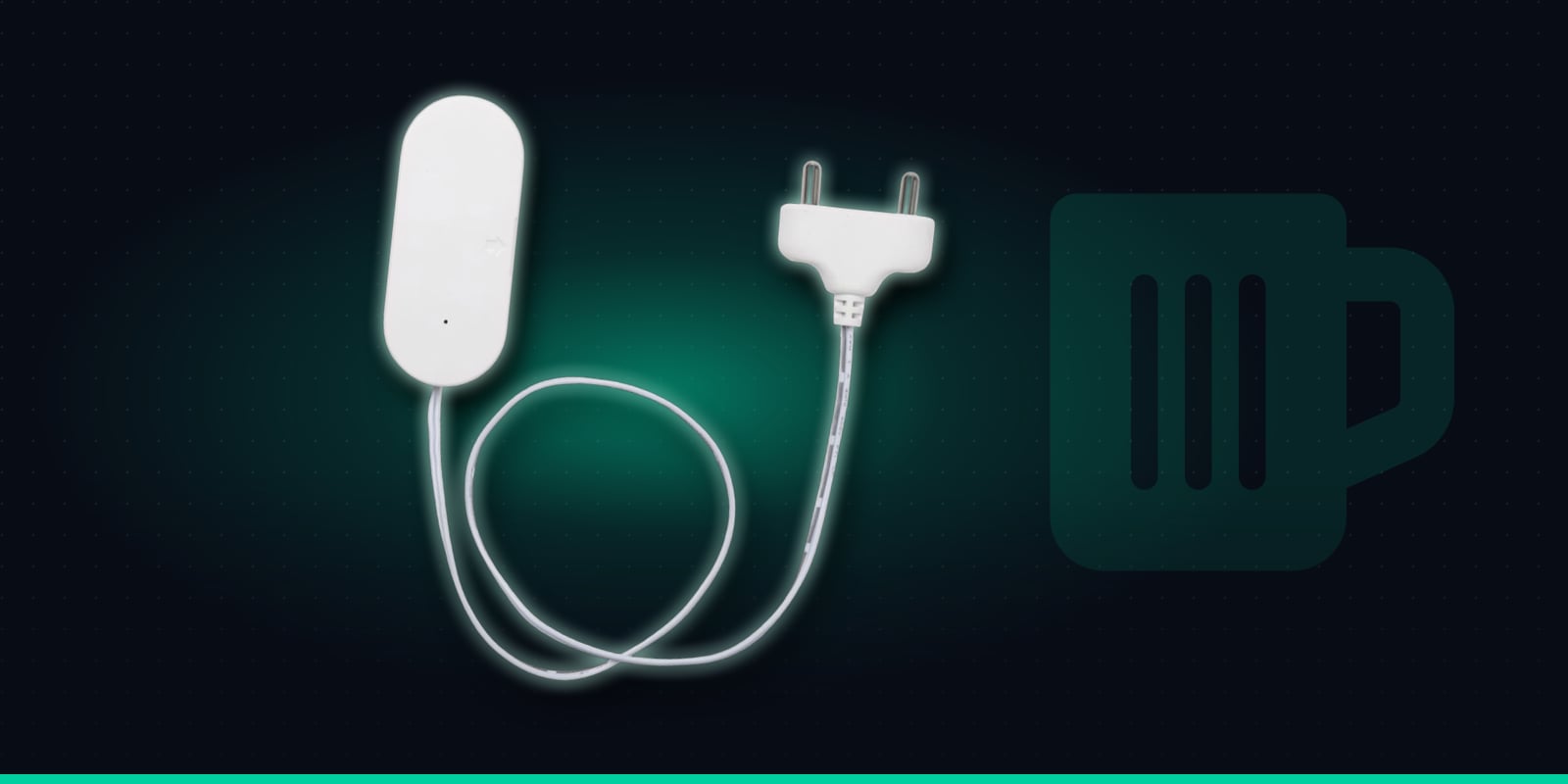
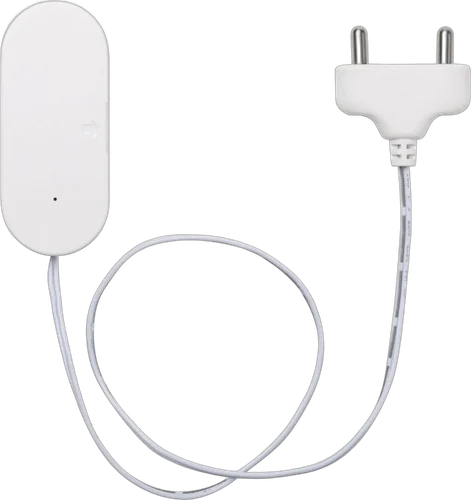
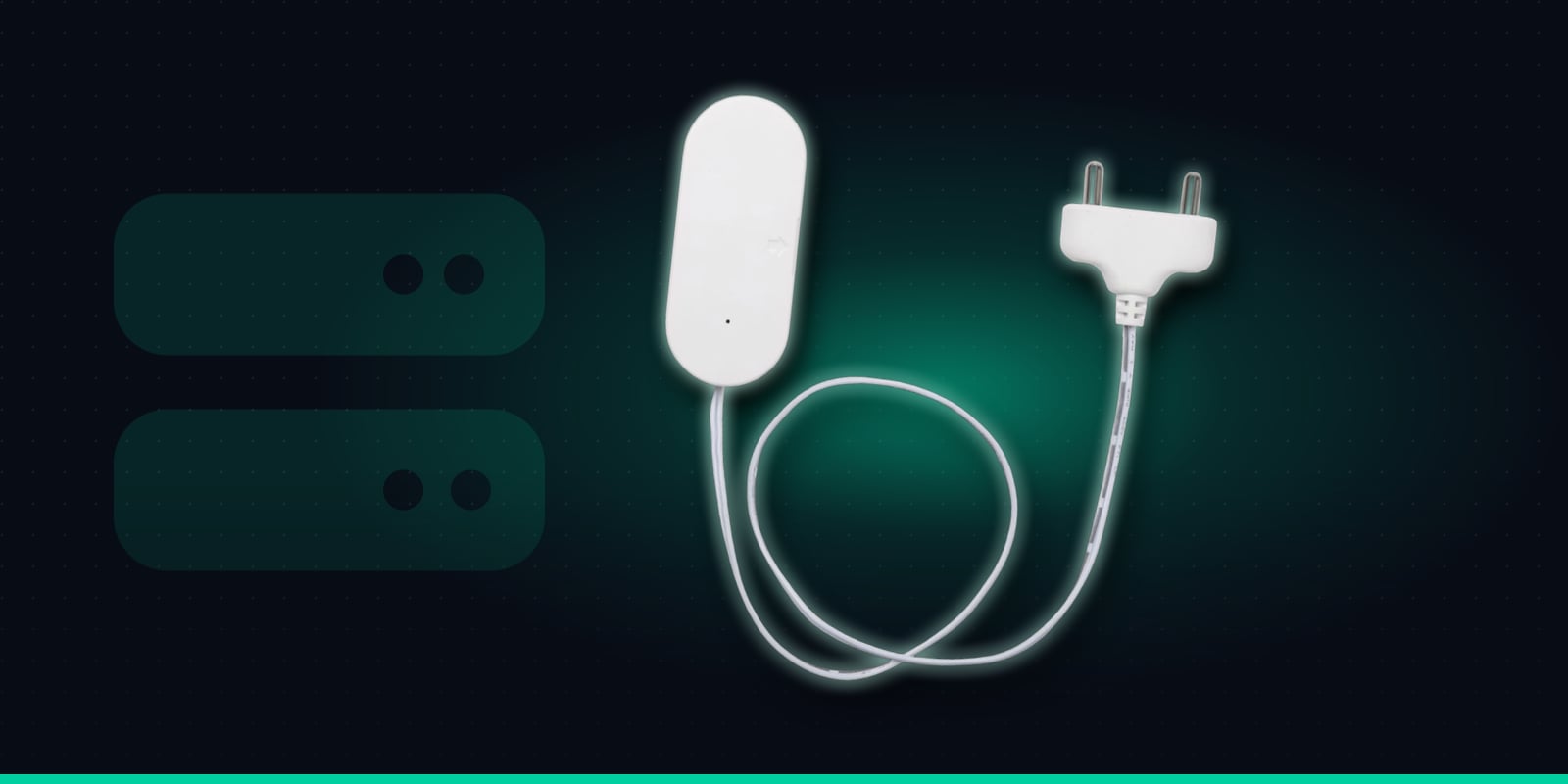
The LWL02 is a small, battery-powered LoRaWAN sensor. A white body holds the batteries and radio, and a thin lead runs to a probe with two stainless-steel pins. When water bridges the pins, the sensor registers a leak and reports it straight away. It needs no mains socket, no Wi-Fi and no SIM, which matters in a cellar where sockets are taken by coolers and the venue Wi-Fi often doesn't reach.
The design fits the job. The body isn't waterproof, so it goes on the wall or the side of a unit, above the level water is likely to reach, while only the probe sits on the floor where water would collect first. It runs on two AAA batteries, roughly 2 to 10 years depending on how often it reports, and it fixes in place with screws or an adhesive pad, so there is nothing to wire in.
Two-probe detection
Stainless-steel probes on a lead. Water bridging the probes triggers a leak alert.
Instant leak alerts
Reports the moment a leak starts, every 10 minutes while it continues, and when it clears.
Daily check-in
Sends a status report once a day, so you know the sensor is still working.
Counts & durations
Keeps a count of leak events and how long the last one lasted.
Replaceable AAA batteries
2 x AAA, roughly 2 to 10 years depending on how often it reports.
Indoor sensor
The body isn't waterproof - mount it above the floor with only the probe in the wet zone. -10 to 50°C.
Specifications from Dragino's LWL02 documentation.
Where Cellar Water Comes From
Cellar leaks rarely arrive as a dramatic burst. More often it is a slow drip or an overflow that builds up over a night or a weekend. These are the usual sources, and each one tells you where a probe should go.
Line & python coolers
Coolers and their water baths can weep from fittings, overflow or leak from the python where it leaves the cellar. A probe on the floor under or beside the cooler catches it early.
Glasswashers & ice machines
Where these sit below ground, a blocked drain, split hose or overflowing ice bin puts water straight onto the floor. Place a probe at the lowest point next to each machine.
Pipework & tanks
Mains supplies, stopcocks, water heaters and waste pipes often run through basements. A failing joint drips quietly until the water reaches a probe on the floor below.
Ingress after heavy rain
Water can come in through a cellar hatch, a wall or a drain that can't keep up. A probe near the floor drain or sump tells you when it is backing up rather than draining away.
Who Uses Cellar & Basement Leak Alerts
The setup is the same in any basement: a sensor at each low point you care about, tagged by site in Trackpac. What changes is what sits on the floor and who needs to know.
Pubs & bars
Kegs, casks, gas and the cooling kit that keeps the bar running. An early alert means a leak is dealt with before it spoils stock or takes a cooler out ahead of a busy service.
Restaurants
Basement dry stores, wine and drinks stock, and machines that sit below the kitchen. A leak found at 7am rather than at the lunch prep means less stock to throw away.
Retailers
Basement stockrooms with boxed stock stacked at floor level. Cardboard soaks water up fast, so the sooner someone knows, the more can be moved out of the way.
Offices & building managers
Basement archives, storage cages and plant spaces that are visited rarely. Alerts go to the facilities team or contractor instead of waiting for the next walk-round.
Installing the LWL02 in a Cellar
No electrician and no wiring. The two things that need thought are where the probe goes, because water has to reach it to be detected, and whether the signal gets out of the basement.
1
Order "Trackpac Ready", scan and name it
Buy the LWL02 from Hexaspot with the Trackpac Ready option, scan its QR code in the Trackpac app and give it a clear name such as "Cellar - under python cooler". Tag it by site so it picks up that site's alert rules.
2
Find the lowest point
Look at which way the floor falls: towards the drain, the sump or a corner. That is where water collects first. Under coolers and beside glasswashers or ice machines are the other obvious spots. Each sensor has one probe, so plan one sensor per location.
3
Body on the wall, probe on the floor
Fix the body to the wall or the side of a unit, above the level water is likely to reach, using screws or the adhesive pad. Lay the probe flat at the low point with both pins touching the floor, where kegs, trolleys and mops won't knock it.
4
Check the signal gets out
Basements are hard places for radio. If the sensor struggles, mounting the body higher on the wall, or nearer the stairs or cellar hatch, can help. Do this check with the cellar door closed, the way it will be at night.
5
Test with a little water
Put a splash of water across the probe pins, confirm the leak alert arrives, then dry the probe and check the "dry" message follows. That proves both the placement and the signal before you rely on it.
Alert Rules for When the Venue Is Shut
The worst cellar leaks are the ones that run overnight or from Sunday close to Monday delivery. The LWL02 reports the moment a leak starts, every 10 minutes while it continues and again when the probe is dry. Trackpac rules can alert on a leak and on battery level, by email, SMS or push through the Trackpac mobile app, and each rule can have a time window. A few rules cover most venues:
Leak out of hours: SMS the keyholder
After close and on days the venue is shut, a leak goes by SMS and push to the manager or keyholder, so someone can get there or call in help.
One alert, not one every 10 minutes
A trigger-lock interval means a continuing leak doesn't send a message with every 10-minute report. The dashboard still logs each report.
Dry again: all clear
When the probe dries, a "resolved" message follows the alert, so whoever got the first message knows the water has been dealt with.
Low battery: plan a swap
The batteries last years, so a low-battery rule makes sure a sensor behind the kegs doesn't quietly go flat. The daily check-in shows it is still reporting.
If a maintenance or helpdesk system should log the leak too, webhooks can forward alerts to it. Trackpac passes the event on; it doesn't turn off the water or send anyone itself. And it only knows about water that reaches a probe, so placement is what makes it work.
Every Cellar in a Pub Group on One Dashboard
For a pub group or any operator with several sites, tag each sensor by site and the dashboard groups them for you. Alert rules can target a tag, so each site's sensors alert that site's manager, with an out-of-hours copy to whoever covers the group. When you add a sensor to a new site, tagging it is enough for it to inherit the right rules.
Each report includes a running count of leak events and how long the last leak lasted, so the history shows which cellars keep getting wet and whether a repair actually fixed the problem. A read-only dashboard link lets an area manager, landlord or maintenance contractor see status and leak history without being able to change sensors or rules. Reports and exports give you a record when someone asks what happened and when.
Check Coverage Before You Go Below Ground
The LWL02 uses LoRaWAN, which generally reaches further and through more walls than Wi-Fi. But a basement is a tough spot: earth, thick masonry and a floor above all weaken the signal, so it is worth checking before you fit sensors across several sites. Read what to check about LoRaWAN coverage, then do the wet-probe test at each cellar once the sensor is in place. New to the terms? Our LoRaWAN glossary and FAQ explains them.
One LWL02 at each low point - by the drain, under the cooler, beside the glasswasher - with the body on the wall and an alert to your phone the moment water appears, even when the venue is shut.
€18.17 ex VAT from Hexaspot, our sister company in the Connect IoT group. VAT is added at checkout based on your country.
Choose the Trackpac Ready option and the sensor arrives pre-registered on Trackpac - scan the QR code and it's live on your dashboard.
Trackpac covers connectivity, dashboard, alerts and data storage from £15 / €18 per sensor per year.
At the lowest point the water would reach first. In most cellars that means near the floor drain or sump, under the line or python cooler, and beside the glasswasher or ice machine if they are below ground. The LWL02 body isn't waterproof, so fix it to the wall or the side of a unit above the likely water level and lay only the probe on the floor. Each sensor has one probe, so use one sensor for each spot you want to protect.
Will I get an alert when the pub is closed?↓
Yes. The LWL02 reports the moment water bridges its probe, whether the venue is open or not, and Trackpac turns that into an email, SMS or push alert, coverage permitting. Alert rules can use time windows, so you can send out-of-hours leaks straight to a manager or keyholder by SMS while daytime alerts go to whoever is on shift.
Will a LoRaWAN sensor work in a basement?↓
Often, but check before you rely on it. Thick walls, earth and a floor above all weaken a radio signal, so basements are among the harder places to reach. Check LoRaWAN coverage for the building first, then place the sensor, wet the probe and confirm the alert arrives before you leave. If the signal is marginal, mounting the body higher on the wall or nearer the cellar hatch or stairs can help.
Can I monitor cellars across a group of pubs on one dashboard?↓
Yes. Tag each sensor by site and the dashboard groups them, so a pub group or multi-site operator sees every cellar in one place. Alert rules can target a tag, so each site's sensors alert that site's manager, and new sensors inherit the rules as soon as they are tagged. A read-only dashboard link lets an area manager see status and leak history without changing anything.
Where can I buy the LWL02 for use with Trackpac?↓
The Dragino LWL02 is sold by Hexaspot, Trackpac's sister company in the Connect IoT group, for €18.17 ex VAT, with VAT added at checkout based on your country. Choose the 'Trackpac Ready' option and the sensor is pre-registered on Trackpac, so you only need to scan its QR code. A Trackpac subscription from £15 / €18 per sensor per year covers connectivity, the dashboard, alerts and data storage.