Construction Drying Conditions Monitoring with the LSN50v2-S31
22nd October 2026•By Neil Skoglund
LSN50v2-S31 Use Case
Wet trades run to the weather inside the building as much as the weather outside it. A screed laid on Friday, a skim coat in a cold extension, a freshly painted stairwell or a flood-damaged ground floor all depend on the room staying warm enough and dry enough while nobody is there. When a heater trips or a dehumidifier stops overnight, the first anyone knows about it is often a slow, patchy finish days later.
This guide is for builders, refurbishment and fit-out contractors, flooring installers, plasterers, painters and decorators, and restoration contractors drying out properties after water damage. It shows how a Dragino LSN50v2-S31 with its probe in the room, reporting into Trackpac, keeps a running record of temperature and humidity on site, alerts you when drying conditions slip and gives you evidence of those conditions at handover. For the wider case for temperature sensors, see our overview of real-time temperature monitoring.
Why Drying Conditions Matter on Site
Screeds, plasters, renders, paints, adhesives and timber floors don't just need time. Many products come with guidance on the minimum temperature and maximum humidity for application and curing, and the right figures are in each manufacturer's data sheet. Cold or damp air generally slows drying, and in many cases it can lead to finish defects: paint that stays tacky or dries unevenly, plaster that takes far longer than planned to be ready for decoration, or timber that takes up moisture before it's fitted.
The difficult part is that the risky hours are the ones nobody sees. Sites are empty overnight and at weekends, temporary heating runs off generators and extension leads, and dehumidifiers stop when their tank fills or the power drops. A quick check with a handheld meter in the morning tells you what the room is like now, not what it was like at 3am.
Then there's the paperwork. When a floor fails, a finish is questioned or a drying-out job is signed off, the conversation often turns to what the conditions were. A continuous log of temperature and humidity, room by room, is far easier to stand behind than a few handwritten readings.
Why the LSN50v2-S31 Suits Building Sites
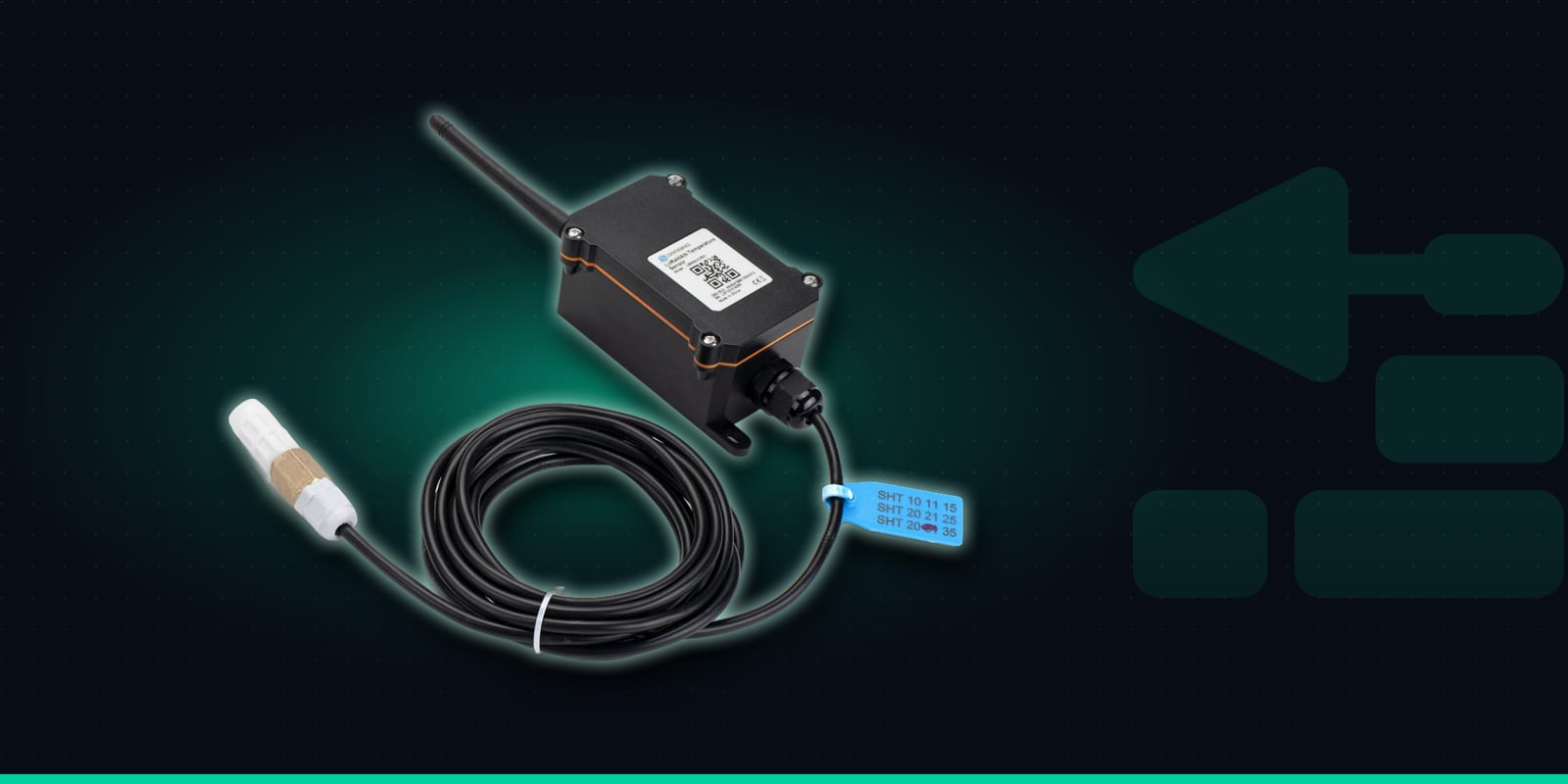
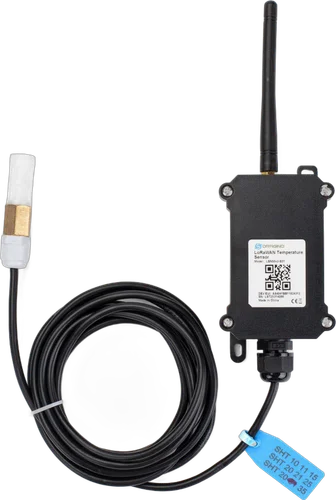
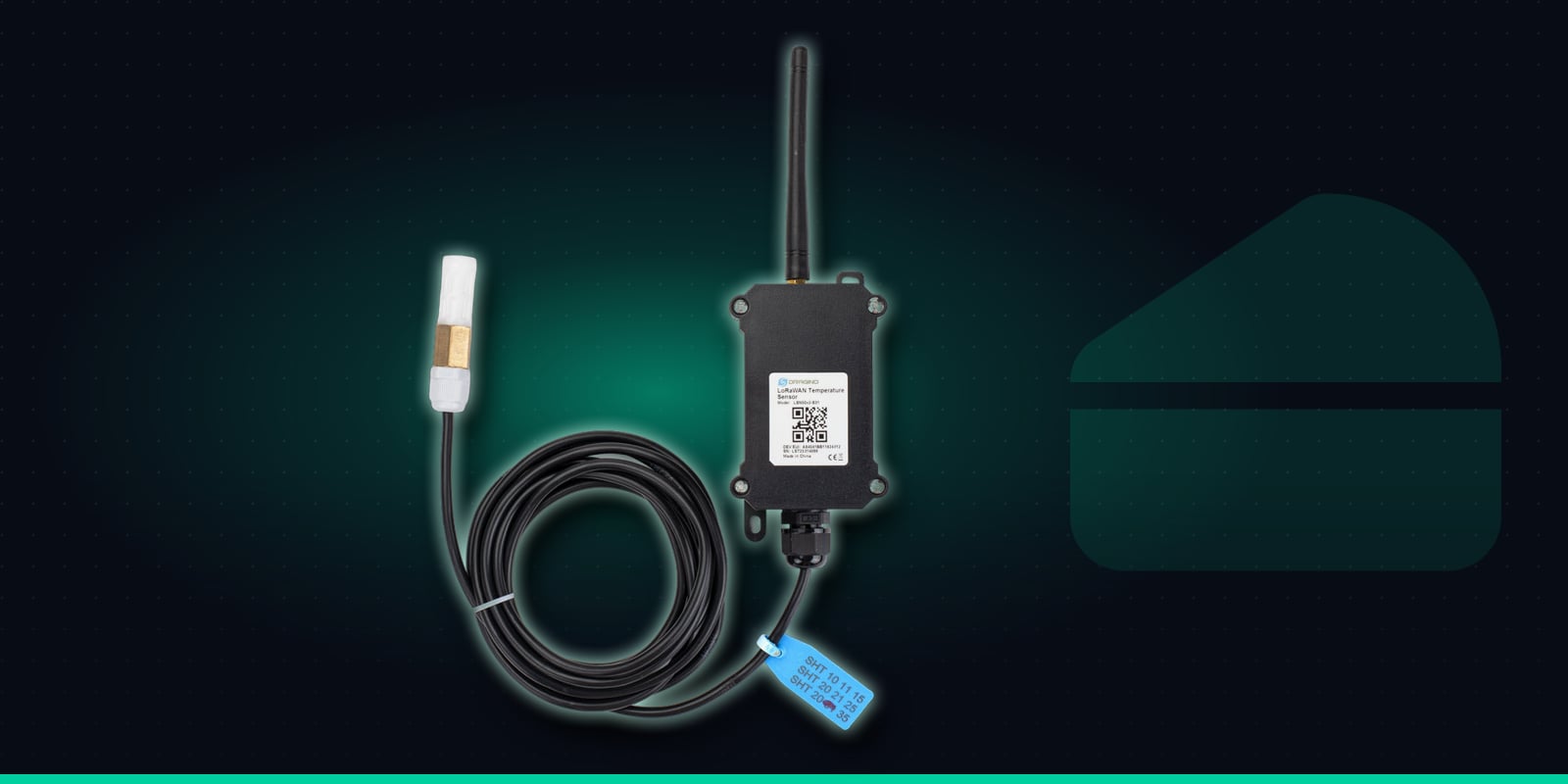
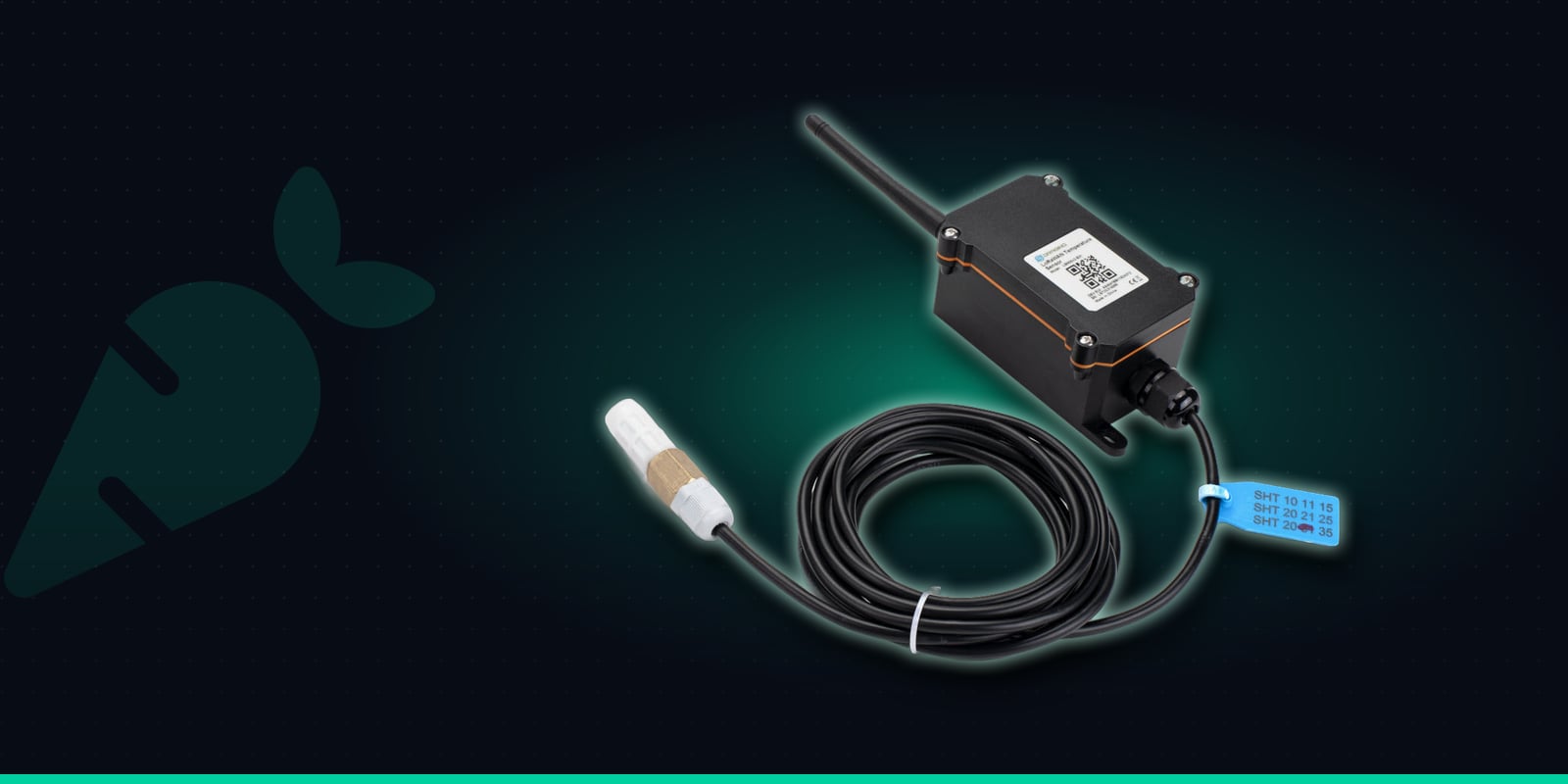
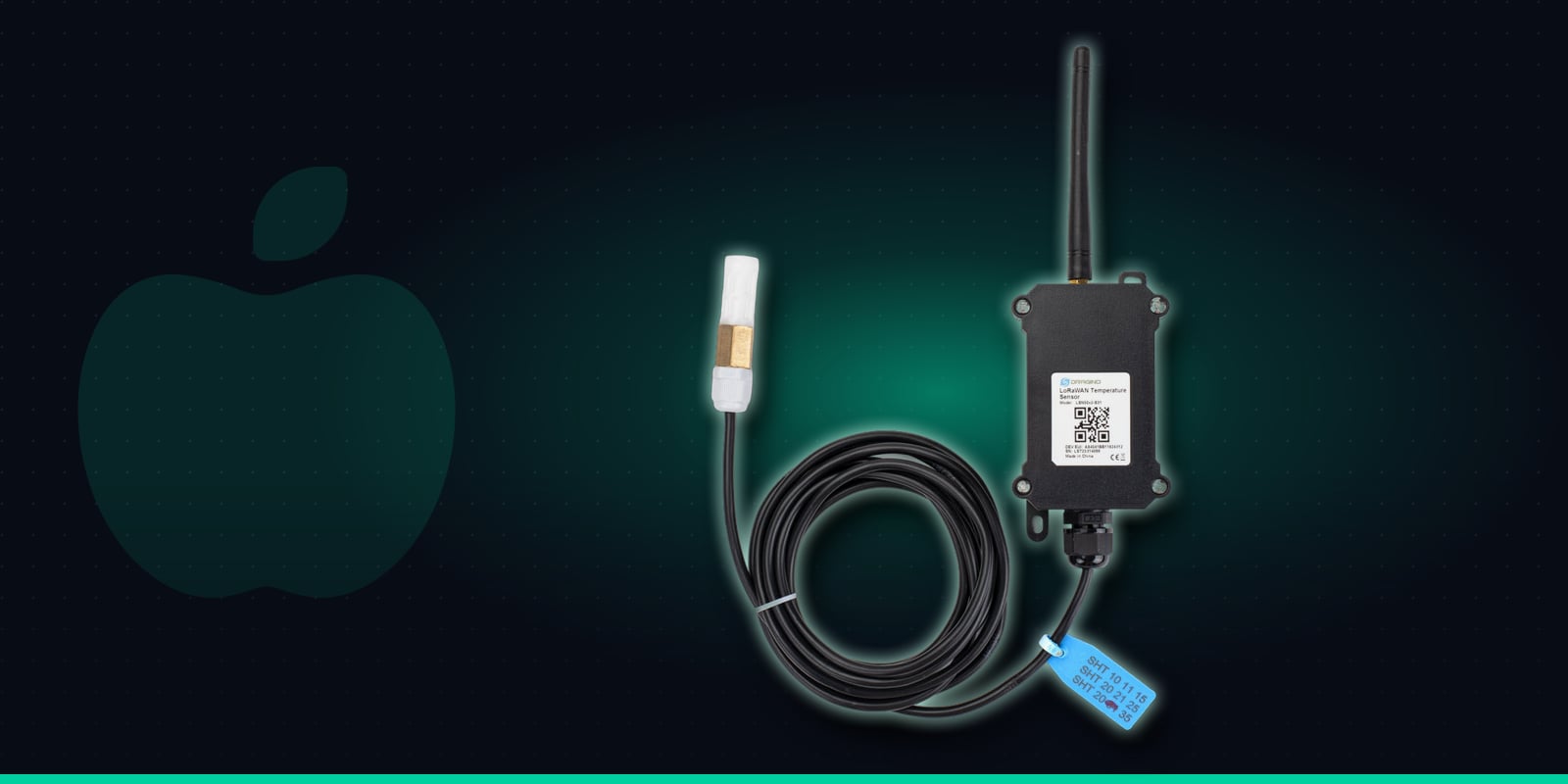
The LSN50v2-S31 splits the sensor in two. A Sensirion SHT31 probe on a 3 metre cable sits in the room or under a temporary cover, in a waterproof, anti-condensation casing that reads the air around it. The rugged main unit, with the battery, radio and antenna, can sit outside the doorway or tucked in a protected corner, out of the way of plasterers' boards, floor layers and wet trades.
It's built for places without infrastructure. It runs on an 8500mAh battery rated for up to 10 years depending on how often it reports, and it talks over LoRaWAN, so it needs no mains, no Wi-Fi and no SIM - which matters on a site where the only power is a generator that may be the thing that fails. By default it reports every 20 minutes, and if the network drops it stores readings and sends them once coverage returns, so the record doesn't have gaps.
One important point: the S31 measures air conditions, not moisture content. It tells you how warm and humid the room was, not how much water is left inside the screed, the plaster or the wall. Use it to show the drying environment was right, and use the manufacturer's specified test to decide when a substrate is ready to cover.
Temperature & humidity
Sensirion SHT31 probe: -40 to 80°C (±0.2°C) and 0 to 99.9% RH (±2% RH).
3m probe cable
The probe sits in a waterproof, anti-condensation casing on a 3 metre cable.
High/low alarms
Checks every minute and reports straight away when temperature or humidity goes outside the limits you set.
Datalog
Stores readings if coverage drops and sends them once it reconnects. Reports every 20 minutes by default.
8500mAh battery
Rated for up to 10 years, depending on how often it reports.
Outdoor enclosure
Rugged main unit rated -40 to 85°C, with the probe placed where the reading matters.
Specifications from Dragino's LSN50v2-S31 documentation.
Where to Use It on a Job
Each LSN50v2-S31 has one probe, so it watches one space. Put one in each room or area where the drying conditions actually matter:
Screed & plaster drying
New screeds, plastered walls and renders drying in extensions, new builds and refurbished rooms, often through the colder months with temporary heat.
Painting & decorating
Rooms where coatings are going on and curing, including stairwells, empty units and refurbished properties that are unheated between trades.
Flooring & timber installation
Rooms where timber flooring, joinery or doors are acclimatising before fitting, and where adhesives and floor finishes are curing afterwards.
Drying out after water damage
Flooded or leak-damaged rooms with dehumidifiers and air movers running for days or weeks, where you need to know the kit kept working and conditions stayed on track.
Under temporary covers & tenting
Sheeted-off areas and temporary enclosures around a wall, floor or ceiling being dried or protected. Run the probe under the cover and keep the unit outside it.
Moving from job to job
No wiring and no router to set up, so a kit of sensors goes into the van, onto the next site and back out again when the job is signed off.
Setting Up the LSN50v2-S31 on Site
Fitting takes a few minutes per room. The probe goes where it reads the air you care about; the main unit stays within 3 metres of it, somewhere it won't get knocked, splashed or buried under materials.
1
Order pre-onboarded, scan and name it
Buy the LSN50v2-S31 from Hexaspot with the Pre-onboard to Trackpac option, scan its QR code in the Trackpac app and give it a clear name such as "Job 214 - ground floor kitchen". Tag it with the job so it picks up that job's alert rules.
2
Place the probe where the work is
Fix the probe in the room near the surface that's drying, at a sensible height and away from direct blasts of warm air from a heater or the outlet of a dehumidifier, so it reads the room rather than the machine. Don't bury it in or press it into wet material.
3
Put the main unit out of harm's way
Mount the enclosure outside the doorway, in a protected corner or outside the temporary cover, within reach of the 3 metre cable. Route the cable so it won't be trapped by a door, walked on or cut by the next trade.
4
Set rules from the data sheet
Check the limits in the manufacturer's data sheet for the product you're using, and set Trackpac rules for low temperature and high humidity at or just inside them.
5
Check the first night
Confirm readings are arriving on the dashboard, then look at the graph the next morning. The overnight trace shows straight away whether the heating and dehumidification are holding the room where you need it.
Alerts for When Heaters or Dehumidifiers Stop
The most useful alert on a drying job is the one that arrives in the evening or overnight, while there's still time to restart a generator, empty a dehumidifier or reset a tripped heater. Trackpac rules can alert on temperature or humidity above or below a threshold, and on low battery, by email, SMS or push through the Trackpac mobile app. Each rule can target a tag, so every sensor on a job shares the same contacts. A few rules cover most situations:
Room going cold: heating has stopped
A below-threshold temperature rule, set from the product's minimum, tells the site manager or on-call contact that the heaters or the generator have stopped.
Humidity climbing: drying has stalled
An above-threshold humidity rule flags a dehumidifier with a full tank or no power, or a room that needs more ventilation, before another night of drying is lost.
Out of range for hours: no message flood
A trigger-lock interval stops every report turning into another text while a room stays out of range, and the graph still shows exactly how long it lasted.
Back in range: all clear
When the room recovers, a "resolved" message follows, so everyone knows the restart worked without anyone driving back to check.
Low battery: swap between jobs
The battery is rated for years, and a low-battery alert lets you deal with it while the sensor is back at the yard, not halfway through a drying job.
Drying conditions usually change over hours, so the regular 20-minute reports are normally enough for Trackpac rules. For a faster layer, the S31 also has on-device alarms with separate high and low limits for temperature and humidity: it checks every minute and sends an alarm straight away when a reading crosses a limit. Those limits are configured on the device itself, and Hexaspot or Trackpac support can help you set them.
Time windows let you route alerts differently out of hours, for example to an on-call supervisor overnight and at weekends. On restoration jobs and humid rooms, Trackpac's Mould Risk indicator, derived from temperature and humidity, can also trigger an alert. If you run jobs through a job management system, webhooks can forward alerts to it. Trackpac passes the alert on; it doesn't restart heaters or dehumidifiers itself.
Records for Handover, Disputes & Warranties
On many jobs the record matters as much as the alert. Trackpac keeps the full history for each sensor, so you can show what conditions were like through every stage of the work, not just on the days someone took a reading.
CSV exports for the job file
Export temperature and humidity for each room and add it to the handover pack, the drying-out report or the warranty file for that job.
Read-only links for clients
Share a read-only dashboard link with a main contractor, client, loss adjuster or flooring supplier, so they can see conditions for themselves without being able to change anything.
If a finish is questioned months later, a graph showing the room held steady through application and curing - or showing exactly when it didn't - gives everyone something factual to work from. If a probe is damaged or disconnected on site, the sensor reports an obviously invalid reading, so a fault is easy to spot rather than quietly leaving a gap.
Running Sensors Across Several Rooms & Sites
Tag each sensor by job, site and room, and the dashboard groups them for you: every room on a refurbishment, or every live drying-out job across a region, on one screen, with the cold or damp ones standing out. Because alert rules can target tags, a sensor moved onto a new job and retagged picks up that job's rules and contacts without rebuilding anything.
Comparing rooms side by side on the graphs, or in an export, also helps you spot the room that dries slowest, often the one on an outside wall or with the least air movement, and move a heater or dehumidifier to where it's needed. If damp in a finished building is the concern rather than drying on site, see our guide to loft, cellar and underfloor void damp monitoring, and for purpose-built drying spaces, see curing and drying room monitoring.
One LSN50v2-S31 per room, with the probe where the work is and the unit out of the way - no mains, Wi-Fi or SIM needed, alerts when heaters or dehumidifiers stop, and a record of conditions for handover.
€57.02 ex VAT from Hexaspot, our sister company in the Connect IoT group. VAT is added at checkout based on your country.
Choose Pre-onboard to Trackpac and the sensor arrives registered on Trackpac - scan the QR code and it's live on your dashboard.
Trackpac covers connectivity, dashboard, alerts and data storage from £15 / €18 per sensor per year.
Does the LSN50v2-S31 measure how dry the screed or plaster is?↓
No. The S31 measures the temperature and relative humidity of the air around its probe. It doesn't measure moisture content inside a screed, a plaster wall or a timber floor, and the probe isn't designed to be pushed into material. What it tells you is whether the drying conditions in the room were right, day and night. Whether a substrate is dry enough to cover still needs the test method your flooring or product manufacturer specifies.
What temperature and humidity should I set alerts at?↓
Use the limits in the data sheet for the product you're applying or the material you're installing. Many screeds, plasters, paints, adhesives and timber floors come with guidance on minimum temperatures and maximum humidity during application and curing, and those figures vary from product to product. Set a low-temperature rule and a high-humidity rule at or just inside those limits, so you hear about a problem before conditions go out of range rather than after.
Can I move the sensors from one job to the next?↓
Yes. The S31 is battery-powered and needs no mains, Wi-Fi or SIM, so you can take it off one site and fix it up on the next. In Trackpac, rename it and change its tag to the new job, and it picks up the alert rules that target that tag. The readings from the previous job stay in its history, so you can still export them for that job's records. The new site does need LoRaWAN coverage, so check before you rely on it.
Will Trackpac switch the heaters or dehumidifiers back on?↓
No. Trackpac sends alerts by email, SMS or push, and can forward them to other systems by webhook, but it doesn't control heaters, dehumidifiers or fans. Its job is to tell the right person quickly when a room has gone cold or damp, for example because a generator has stopped or a dehumidifier tank has filled overnight, so someone can put it right before more drying time is lost.
Where can I buy the LSN50v2-S31 for use with Trackpac?↓
The Dragino LSN50v2-S31 is sold by Hexaspot, Trackpac's sister company in the Connect IoT group, for €57.02 ex VAT, with VAT added at checkout based on your country. Choose 'Pre-onboard to Trackpac' when ordering and Hexaspot registers the sensor on Trackpac before dispatch, so you only need to scan its QR code. A Trackpac subscription from £15 / €18 per sensor per year covers connectivity, the dashboard, alerts and data storage.