Boat, Caravan & Motorhome Damp Monitoring with the LSN50v2-S31
22nd October 2026•By Neil Skoglund
LSN50v2-S31 Use Case
A boat laid up for the winter, a caravan in a storage compound or a motorhome parked until spring can go months without anyone opening the door. In that time, damp air settles into cushions, mattresses and headlinings, condensation runs down the windows, and the first sign of trouble is often a musty smell and spotted upholstery on the first visit of the season.
This guide is for boat, caravan and motorhome owners, storage yards, boatyards and hire fleets. It shows how a Dragino LSN50v2-S31, with its probe in the cabin or a locker and the battery-powered unit fixed nearby, reports temperature and humidity into Trackpac all winter, so you know when damp is building, when the inside is getting cold enough to threaten the water system, and whether your dehumidifier or heater is actually doing its job. For the wider case for temperature sensors, see our overview of real-time temperature monitoring.
Why Damp Builds Up While Nobody Is Aboard
Boats, caravans and motorhomes are small, closed spaces with thin walls and lots of cold surfaces: windows, hull sides, metal frames and the underside of the roof. When the outside temperature drops overnight, moisture in the trapped air condenses on those surfaces, then soaks into whatever is nearby. Without people coming and going, opening hatches or running the heating, there's little to dry it out again.
Over a winter that adds up to mildew on cushions and curtains, stained headlinings, swollen veneers and locker doors, damp bedding and corrosion on fittings, switches and connectors. A boat afloat sits on cold water all season; a caravan or motorhome in a field compound can sit in fog and rain for weeks. Owners often put a dehumidifier, a moisture trap or a low-setting heater aboard, but have no way of knowing whether it's keeping up until they open the door in spring.
Why the LSN50v2-S31 Suits Boats & Leisure Vehicles
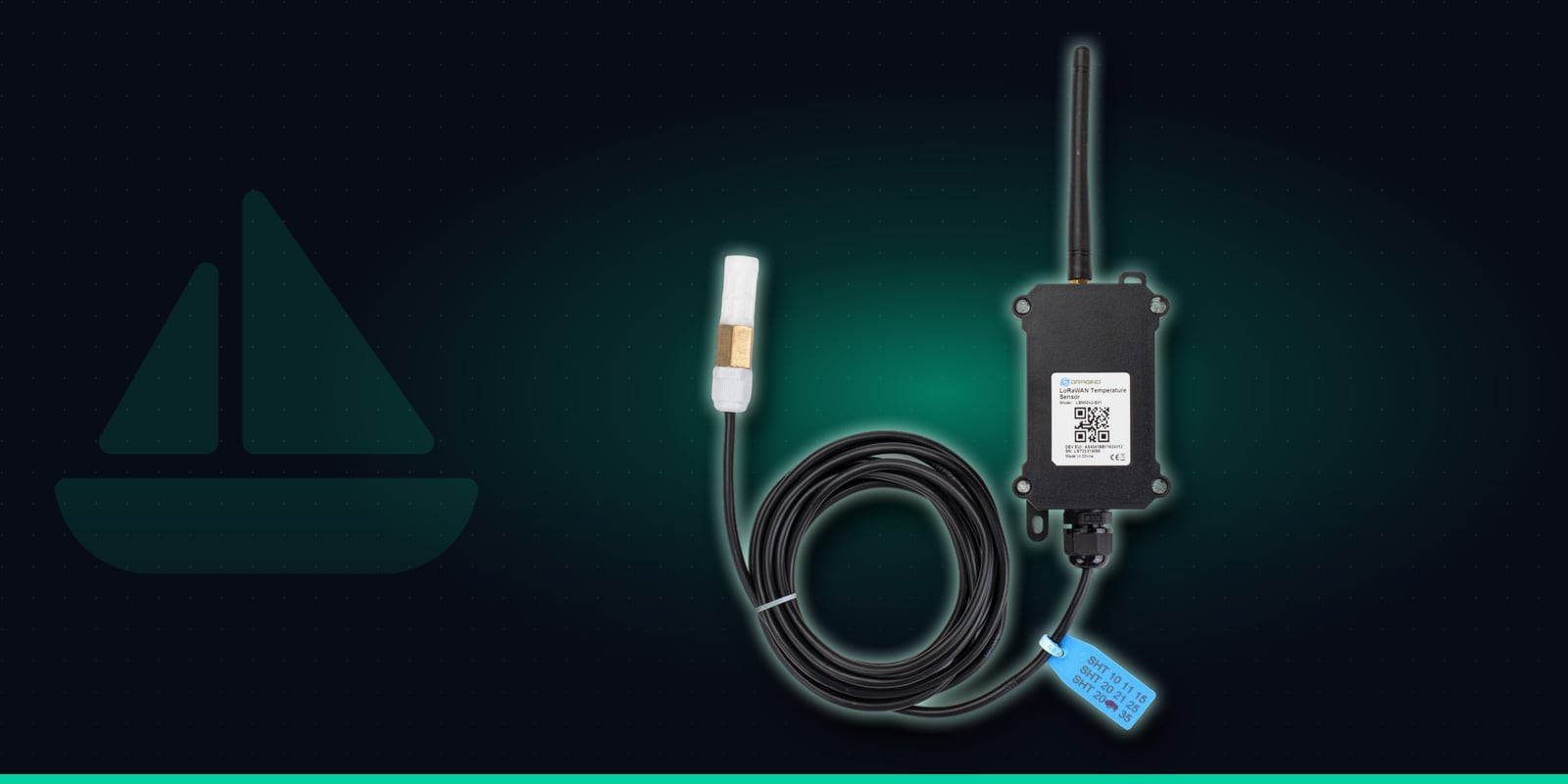
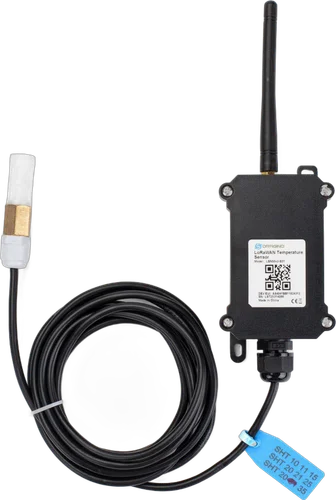
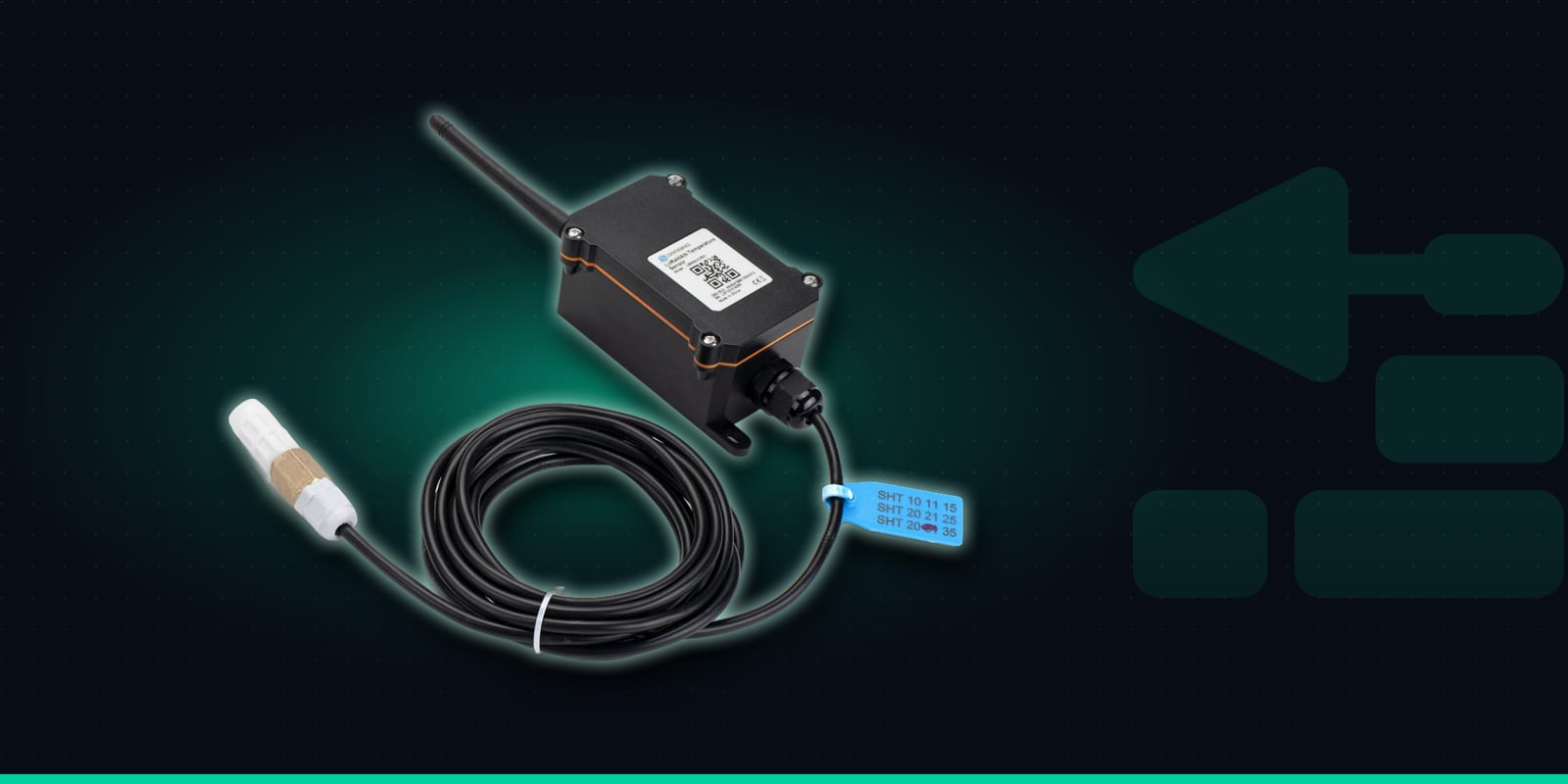
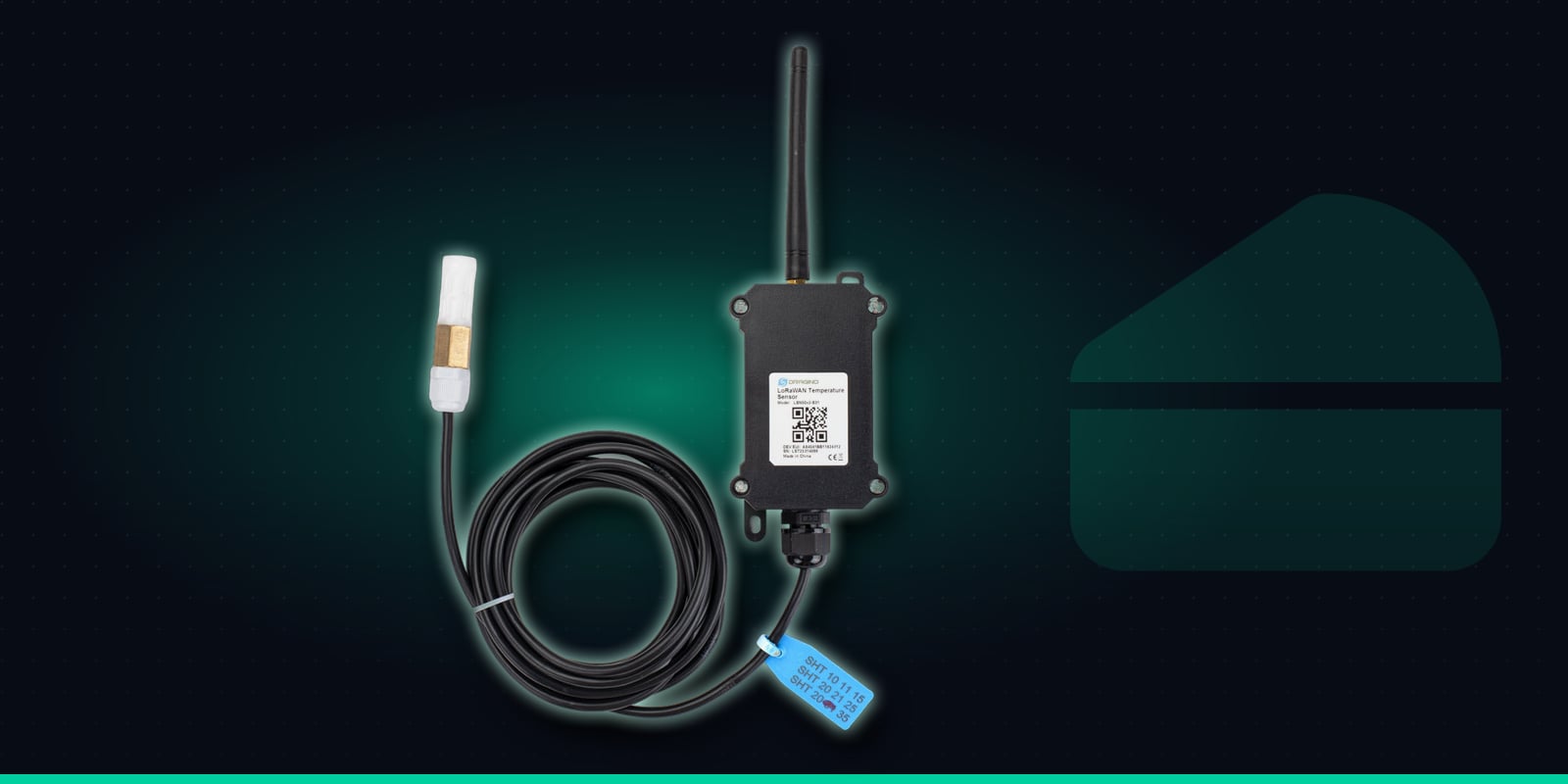
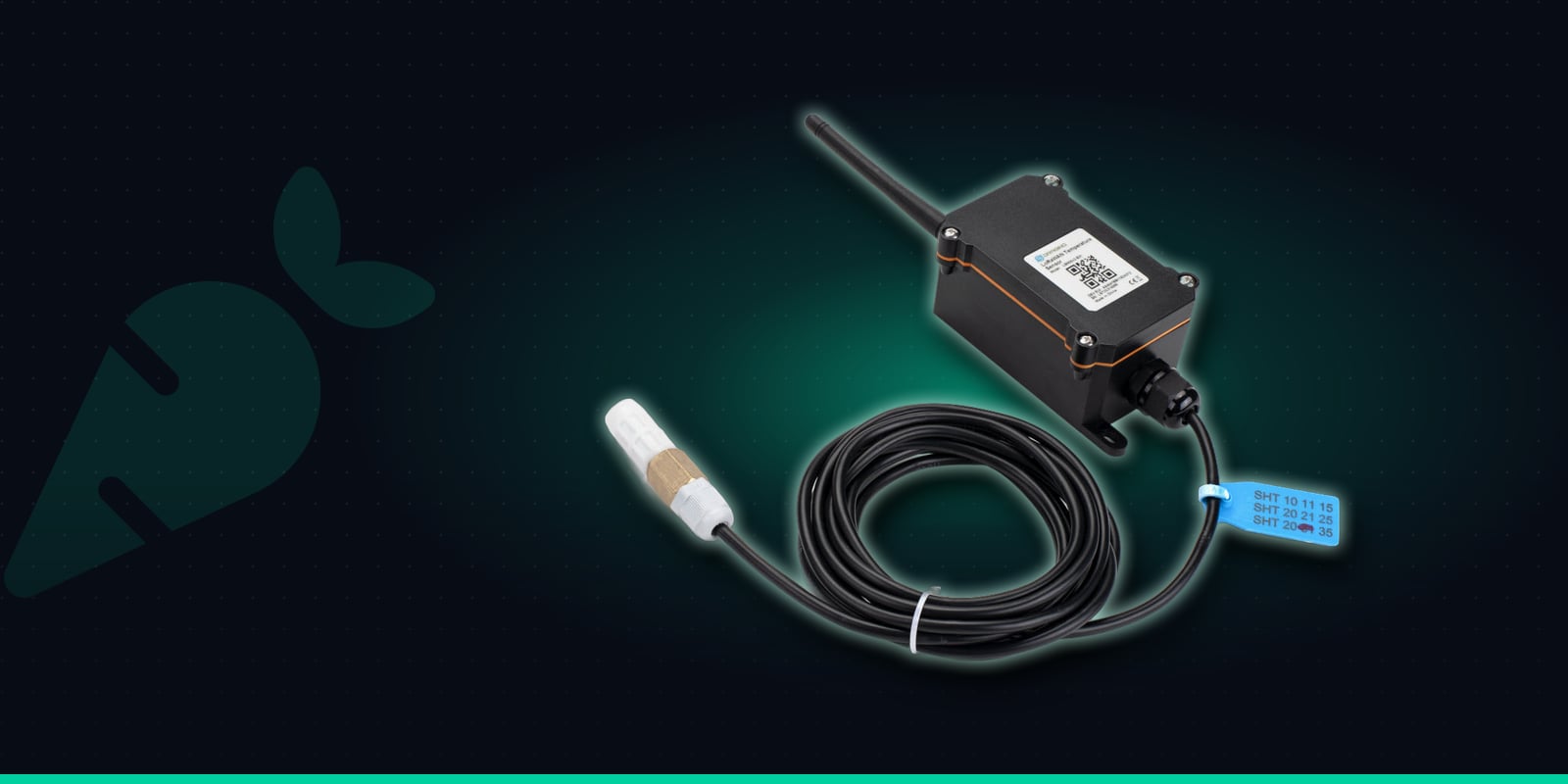
The LSN50v2-S31 puts a Sensirion SHT31 temperature and humidity probe on a 3 metre cable, inside a waterproof, anti-condensation casing with a vented cap. The probe measures the air around it, so you can place it where damp actually collects, such as a forward cabin, a wardrobe or the locker under a bench seat, while the rugged main unit is fixed up to 3 metres away, wherever it's convenient and gets the best signal.
It runs on a battery rated for up to 10 years depending on how often it reports, so it doesn't need shore power, a leisure battery or a hook-up. It talks over LoRaWAN, so there's no Wi-Fi or SIM to arrange. By default it reports every 20 minutes, and if coverage drops, it stores readings and sends them once it reconnects. It can also check the probe every minute and send an alarm straight away when humidity or temperature goes outside limits set on the device.
Temperature & humidity
Sensirion SHT31 probe: -40 to 80°C (±0.2°C) and 0 to 99.9% RH (±2% RH).
3m probe cable
The probe sits in a waterproof, anti-condensation casing on a 3 metre cable.
High/low alarms
Checks every minute and reports straight away when temperature or humidity goes outside the limits you set.
Datalog
Stores readings if coverage drops and sends them once it reconnects. Reports every 20 minutes by default.
8500mAh battery
Rated for up to 10 years, depending on how often it reports.
Outdoor enclosure
Rugged main unit rated -40 to 85°C, with the probe placed where the reading matters.
Specifications from Dragino's LSN50v2-S31 documentation.
Where to Put the Probe
Each LSN50v2-S31 has one probe, so it watches one space. In most boats and vehicles, one sensor in the area most prone to damp gives a good picture of the whole interior. These are the situations it suits best:
Boats laid up afloat or ashore
Probe in the saloon or forward cabin, away from any vent, where cushions, bedding and woodwork sit through the winter. The main unit goes in a dry spot where its antenna has the clearest view out.
Touring caravans
Probe near a front or rear seating area or in an overhead locker, where condensation from the windows and roof tends to settle into soft furnishings.
Static caravans & lodges
Left closed between visits or shut for the off-season. A probe in a bedroom or wardrobe shows whether damp is building and whether the inside is getting cold enough to worry about the water system.
Motorhomes & campervans
Probe over the bed or in the rear lounge, which are often the coldest corners, with the unit fixed out of the way in a locker or under a seat.
Lockers, wardrobes & bench seats
Enclosed spaces with little air movement, full of sails, bedding, clothes or cushions. The probe fits inside on its cable while the unit stays outside the locker.
Storage yards, boatyards & hire fleets
A sensor in each unit or a sample of units, grouped by tag, so the site or fleet manager can see every boat or vehicle on one screen through the off-season.
Installing the LSN50v2-S31 Aboard
Fitting takes a few minutes, and the best time is when you lay up for the winter, so you have a full season of readings. The probe goes where damp collects; the main enclosure stays within 3 metres of it.
1
Order pre-onboarded, scan and name it
Buy the LSN50v2-S31 from Hexaspot with the Pre-onboard to Trackpac option, scan its QR code in the Trackpac app and give it a clear name such as "Motorhome - rear lounge". Tag it with the boat, vehicle or yard so it picks up the right alert rules.
2
Choose where damp shows up first
Think about where you've found mildew or condensation before: a forward cabin, a corner bed, an overhead locker or a wardrobe against an outside wall. That's usually the best place for the probe.
3
Place the probe in free air
Fix the probe so it hangs in the air of the space, not pressed against a window, wall or cushion, and away from the direct airflow of a dehumidifier or heater, so it reads the cabin rather than the appliance.
4
Fix the main unit nearby
Mount the enclosure within reach of the 3 metre cable, somewhere it won't be knocked by covers, stored gear or cushions moved around for airing. Keep the cable clear of hatches, doors and slide-outs.
5
Check the first readings, then lock up
Confirm readings are arriving on the dashboard before you leave. Over the first week or two, watch how humidity rises and falls with the weather, then fine-tune your alert thresholds.
Setting Damp & Cold Alert Rules
The goal isn't an alert every time a damp night pushes humidity up for a few hours. It's knowing when conditions stay poor long enough to do damage, or when the inside gets cold enough to put the water system at risk. Many owners aim to keep relative humidity below roughly 60-65% to discourage mould; treat that as a starting point and adjust it once you've seen how your boat or vehicle behaves.
Trackpac rules can alert on temperature or humidity above or below a threshold, on the Mould Risk indicator Trackpac derives from temperature and humidity, and on low battery, by email, SMS or push through the Trackpac mobile app. Each rule can target a tag, so every unit in a yard or fleet shares the same contacts. A few rules cover most situations:
Damp building: go and check
An above-threshold humidity rule, or a Mould Risk rule, tells you when conditions inside are turning against your upholstery and woodwork, so you can empty a moisture trap, check the dehumidifier or air the cabin.
Getting cold: freeze warning
A below-threshold temperature rule set a few degrees above 0°C warns you that the inside is approaching freezing, a prompt to drain down, check the frost heater or visit before water in tanks, pipes or pumps freezes.
Back to normal: all clear
When readings return within limits, a "resolved" message follows, so you know the dehumidifier, heater or a change in the weather has done its job.
Low battery: deal with it at the season's end
The battery is rated for years, and a low-battery alert gives you time to sort it while you're using the boat or van, rather than discovering a silent sensor halfway through the winter.
In a damp spell, humidity may sit above the threshold for days. A trigger-lock interval stops every report turning into a message, while the graph keeps the full picture. Time windows let you send alerts to a yard manager during working hours and to the owner at other times.
Conditions in a closed cabin usually change gradually, so the regular 20-minute reports are often enough for a Trackpac rule. If you want a faster layer, for example a low-temperature alarm on a cold night, the sensor's on-device high and low limits for temperature and humidity are checked every minute and reported straight away. Those limits are configured on the device itself, and Hexaspot or Trackpac support can help you set them. Trackpac passes the alert on; it doesn't switch a dehumidifier or heater on, or send anyone out.
Is Your Dehumidifier or Heater Doing Its Job?
Plenty of owners leave a dehumidifier, a moisture trap or a low-setting heater aboard over the winter. The question is whether it's working. A tripped hook-up, a full water tank on a dehumidifier or a timer that never came on can all leave the inside slowly getting damper for weeks.
The LSN50v2-S31 doesn't connect to the appliance, but it shows the result. The history graph makes the pattern clear: humidity held steady while the dehumidifier runs, then a steady climb when it stops. You can compare a treated unit with an untreated one on the graphs, or export both to CSV, to see whether a dehumidifier, a heater setting or just better ventilation makes the biggest difference for your boat or vehicle.
Monitoring a Whole Yard or Fleet
For storage yards, boatyards and hire fleets, tag each sensor by unit, row, pontoon or customer and the dashboard groups them for you, with the dampest or coldest units standing out. Alert rules that target a tag apply to every sensor carrying it, so a unit added mid-season picks up the right rules straight away.
A read-only dashboard link lets an owner see conditions inside their own boat or caravan without being able to change anything, which can be a useful extra for a storage or winter lay-up service. CSV exports give a record of conditions through the off-season, and if a probe is damaged or disconnected, the sensor reports an obviously invalid reading, so a fault is easy to spot. Webhooks can forward alerts to a yard's own job or booking system.
The LSN50v2-S31 measures the air in the space, which is the right reading for damp and a good early warning that the inside is getting cold. A pipe running along an outside wall or through an unheated locker can be colder than the cabin air, though, so treat the cabin reading as a general freeze warning and set your threshold with some margin.
Where a specific pipe or water supply needs closer watching, such as on a static caravan or lodge kept with water on, a probe strapped to the pipe itself gives a more direct reading. Read about frozen pipe and frost alerts with the LSN50v2-D20 to see how that works.
Get Started
Know what's happening aboard all winter
One LSN50v2-S31 per boat, caravan or motorhome, with the probe where damp collects and no shore power or Wi-Fi needed - telling you when damp is building or the inside is getting cold, long before your first visit of the season.
€57.02 ex VAT from Hexaspot, our sister company in the Connect IoT group. VAT is added at checkout based on your country.
Choose Pre-onboard to Trackpac and the sensor arrives registered on Trackpac - scan the QR code and it's live on your dashboard.
Trackpac covers connectivity, dashboard, alerts and data storage from £15 / €18 per sensor per year.
What humidity should I aim for in a stored boat or caravan?↓
There's no single right number, but many owners aim to keep relative humidity below roughly 60-65% to discourage mould on upholstery, curtains and headlinings. Short peaks on a cold, wet night are normal; what matters is humidity staying high for days. Start with an alert a little above your target, watch the graph for a couple of weeks, and adjust it to how that cabin or van actually behaves.
Do I need shore power or Wi-Fi for the LSN50v2-S31?↓
No. The LSN50v2-S31 runs on an 8500mAh battery rated for up to 10 years depending on how often it reports, and it sends readings over LoRaWAN, so there's no mains, no Wi-Fi and no SIM. It does need LoRaWAN coverage where the boat or vehicle is kept, so check coverage at the boatyard, marina berth or storage yard before you rely on it. If coverage drops for a while, the sensor stores its readings and sends them once it reconnects.
Can it tell me if my dehumidifier or heater has stopped working?↓
Not directly, because it doesn't connect to the appliance. What it does show is the result: if the dehumidifier stops, or a frost heater trips, humidity climbs or the temperature falls, and a Trackpac alert rule can tell you when it crosses the threshold you set. Trackpac doesn't switch dehumidifiers or heaters on or off; someone still needs to go and check.
Can a storage yard or boatyard monitor lots of units at once?↓
Yes. Tag each sensor by unit, row or customer and the Trackpac dashboard groups them, so every caravan, motorhome or boat on site is on one screen. Alert rules can target a tag, so a new sensor picks up the right rules as soon as it's tagged, and a read-only dashboard link lets an individual owner see their own unit without changing anything.
Where can I buy the LSN50v2-S31 for use with Trackpac?↓
The Dragino LSN50v2-S31 is sold by Hexaspot, Trackpac's sister company in the Connect IoT group, for €57.02 ex VAT, with VAT added at checkout based on your country. Choose 'Pre-onboard to Trackpac' when ordering and Hexaspot registers the sensor on Trackpac before dispatch, so you only need to scan its QR code. A Trackpac subscription from £15 / €18 per sensor per year covers connectivity, the dashboard, alerts and data storage.